In Memoriam
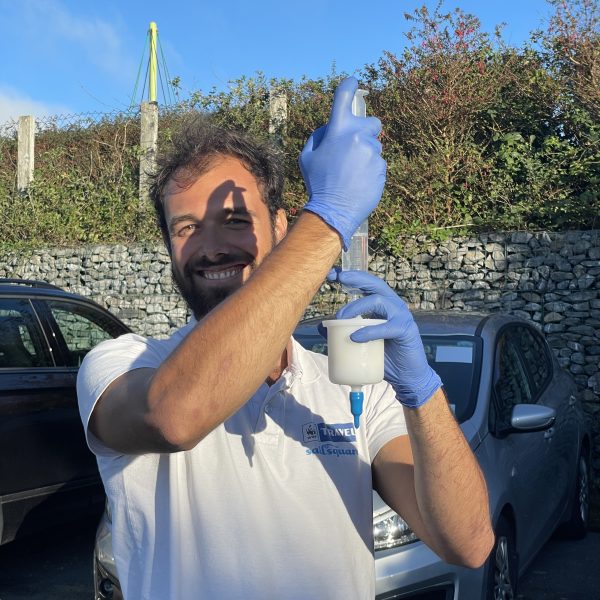
Blog Posts
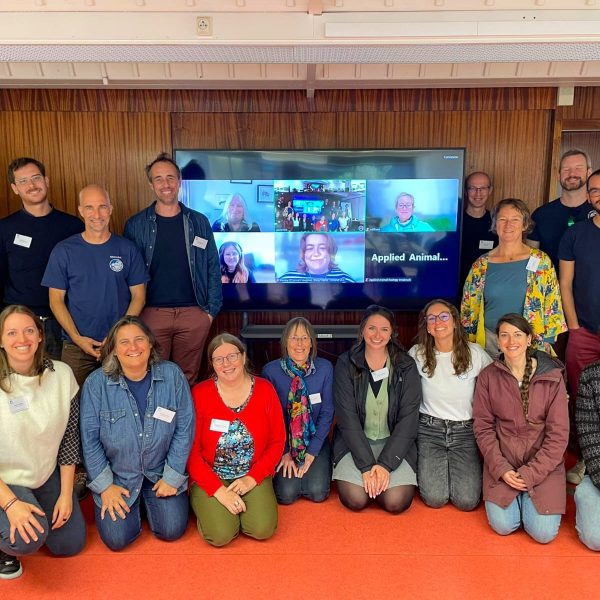
eWHALE project meeting at Ifremer
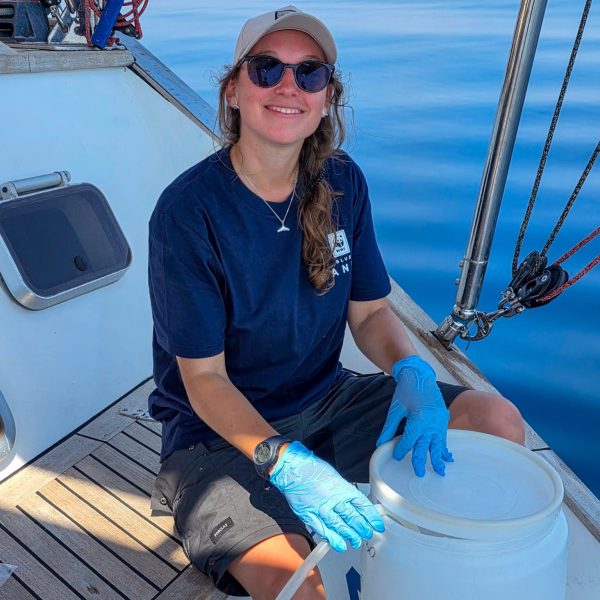
Field Work in the Med Sea 2025
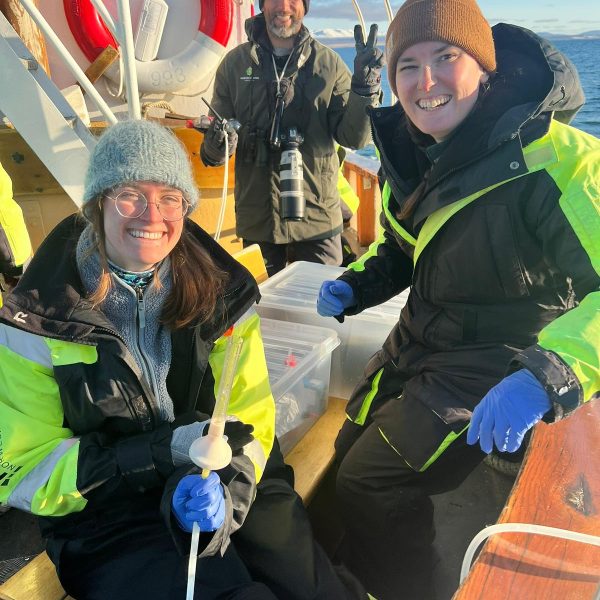
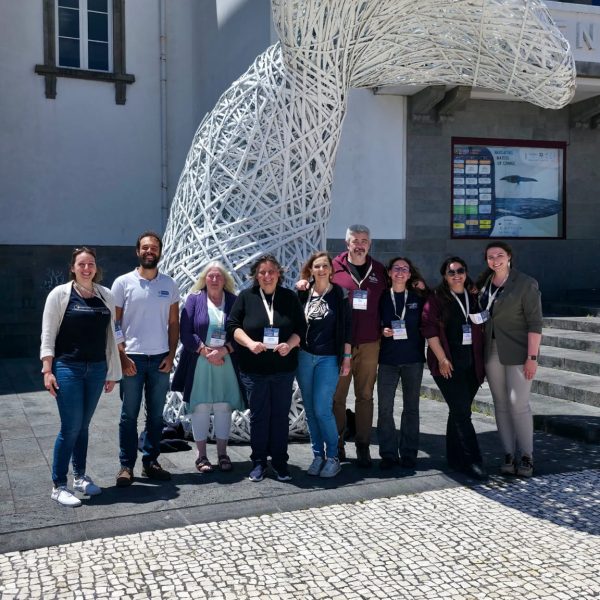
36th European Cetacean Society
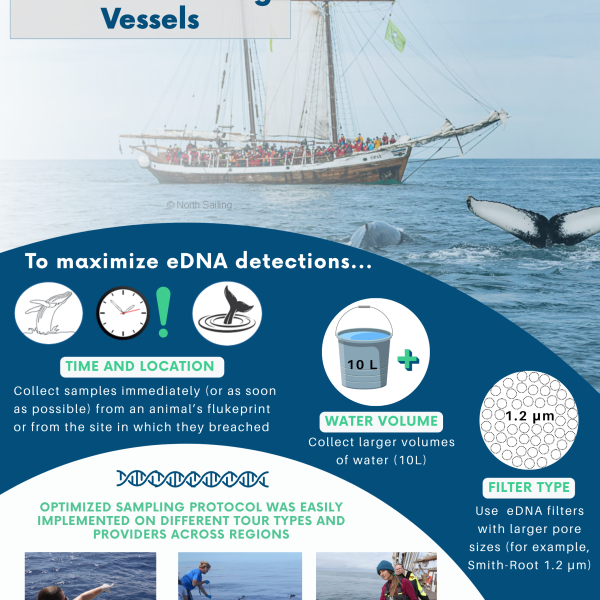
Bridging Oceans: eWHALE and Ocean Wise Unite in eDNA Research
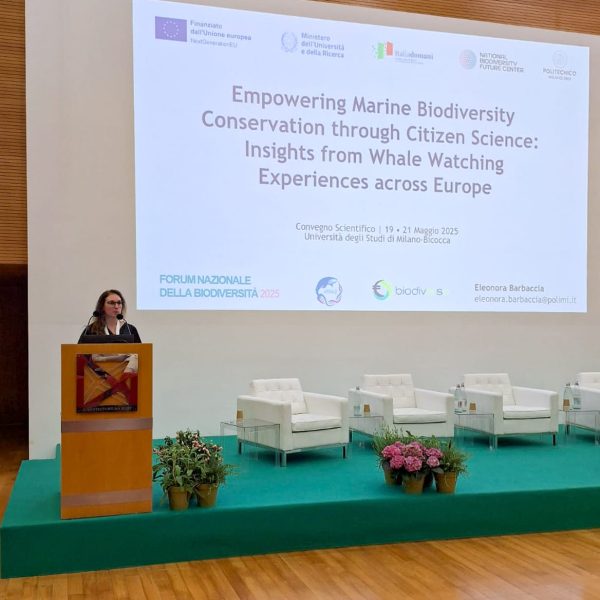
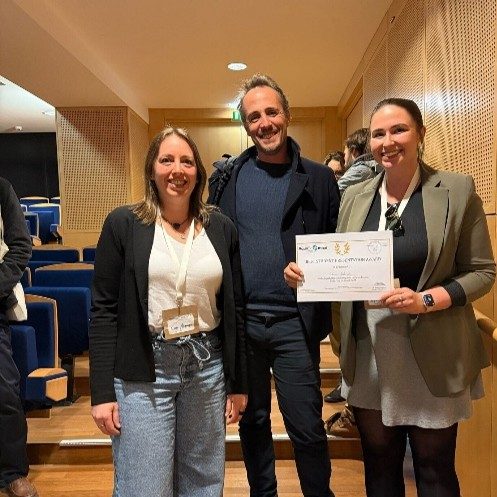
Team eWhale goes AquaEcOmics
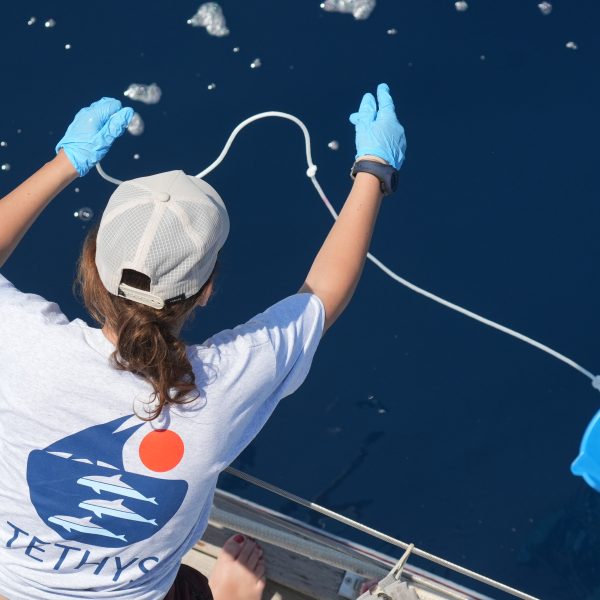
Field Work in the Med Sea 2024
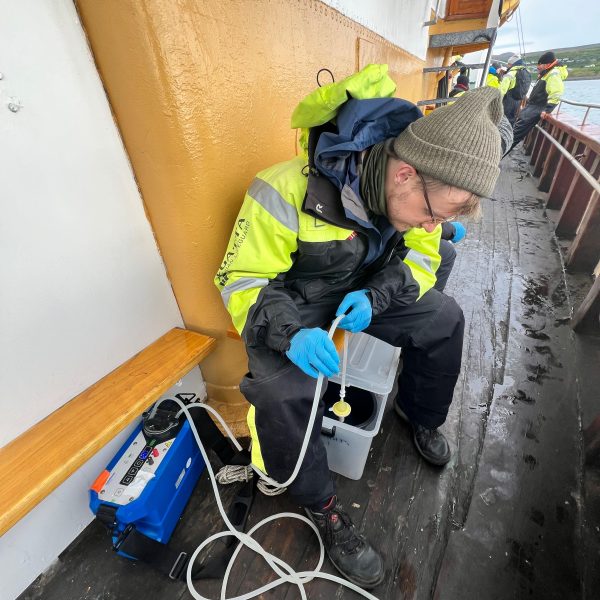
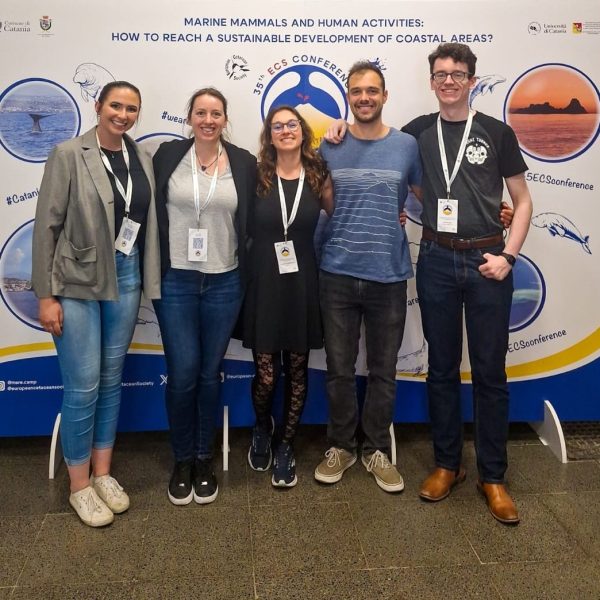
35th European Cetacean Society

Field Work in the Azores 2023

News and Media Releases

Hvalir skilja eftir sig DNA í hafinu
Scientists at the University of Iceland Research Centre in Húsavík are now working on developing an innovative method for whale research based on so-called environmental DNA (eDNA). The method involves the scientists collecting samples from the sea at the locations where humpback whales have dived just moments before. PhD student Belen Garcia Ovide and Marianne Rasmussen, director of the research station, explain the research in more detail here.

University of Innsbruck: One Whale in Ten Liters of Water
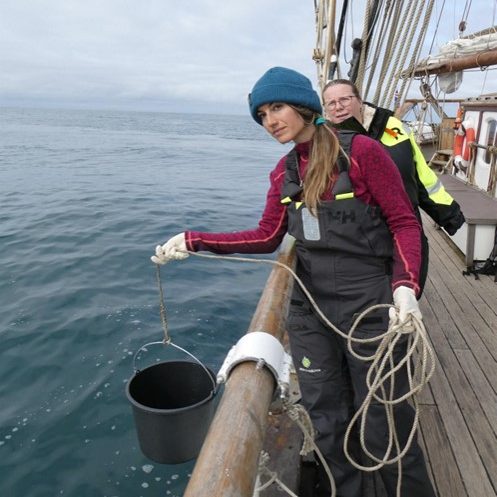
In a collaborative effort, the European eWHALE project and Canada's Ocean Wise independently developed and published optimized protocols for collecting environmental DNA (eDNA) from whales and dolphins. Both studies, featured in the journal Environmental DNA, concluded that collecting 10-liter water samples immediately after a whale's fluke or breach significantly enhances DNA detection, enabling effective, non-invasive monitoring by citizen scientists aboard whale-watching tours. This co-publication exemplifies a shift from competitive research to collaborative science, aiming to standardize eDNA sampling methods across various marine regions and species.

Radio France: Environmental DNA - Life from A to Z
This France Culture podcast explores how environmental DNA (eDNA) revolutionizes biodiversity studies. By analyzing genetic material in soil, water, or air, scientists can detect species, monitor ecosystems, and aid conservation efforts. The episode also discusses challenges like data interpretation and contamination, highlighting eDNA’s potential and limitations in ecological research..

Nature - Where I Work: I fire darts at whales to help track their movements
Marine biologist Yakamoz Kizildas from the University of Groningen discusses her research on humpback whales in Iceland's Skjálfandi Bay. She utilises a modified rifle to collect tissue samples from these whales, aiming to analyze their DNA and gain insights into their behaviour and migration patterns. The study focuses on understanding the whales' feeding habits during their time in the bay, which spans from April to November, following their extensive migrations from breeding grounds in the Caribbean and around Cape Verde.

Sverige Radio: The Return of the Giants - Fresh Air for Norwegian Whaling
As whale populations, including humpbacks and fin whales, recover, Norwegian whalers push for higher minke whale quotas and expanded market access. However, demand remains low due to marketing bans, and opposition to whaling persists. The debate intensifies as some argue for sustainable hunting while others call for stricter conservation efforts.

Labor Praxis: Whale Watching plus - collect environmental DNA for research and protection of whales
To effectively protect whales and other endangered marine species, their habitats must be safeguarded. An adequate data foundation is essential for this. A cross-border research project is now bringing together science, industry, and the public to establish a comprehensive, non-invasive whale and biodiversity monitoring system using water samples.

University of Innsbruck: Detective work at sea - whale research via environmental DNA
Detailed knowledge about whales in European waters will be provided by the Biodiversa+ project "eWHALE", which started in January and is led by molecular ecologist Bettina Thalinger from the University of Innsbruck. The transnational research project brings together partners from science, industry and the public to establish a far-reaching, non-invasive cetacean and biodiversity monitoring system using water samples.

TIROL TV: "eWHALE" aims to provide new foundational data on whales and their habitat
The research project "eWhale" aims to provide new data on whales and their habitat. The University of Innsbruck is also involved in it.

Die Presse: First watch whales, then take water samples
Marine pollution and industrial whaling have caused the populations of many whale species to shrink significantly. To better define protected areas, more knowledge is needed. Now, laypeople are expected to help establish a monitoring system using environmental DNA.

ZDF - Terra X: Fascination Earth with Wotan Wilke Möhring - Icy Iceland
Few places in the world display the effects of climate change as clearly as here. But what are its impacts on whale populations in Iceland's waters? Scientists on site are investigating how many whales are swimming around Iceland at different times.

Der Standard: CSI Ocean - How to track whales in the sea
Marine mammals are difficult to find in the oceans. An international team under Austrian leadership is using modern forensic techniques.

Science ORF: Environmental DNA Facilitates Whale Research
There is often little data on whales in European waters. As part of a cross-border research project, experts are collecting water samples and the genetic material contained in them together with the public to establish a comprehensive and non-invasive whale and biodiversity monitoring system.

Ö1 ORF - Wissen Aktuell: eDNA: Tracing in the Service of Whale Research
All living beings leave small genetic traces in the environment. This environmental DNA can provide valuable clues in criminal cases, but it is also used in biology to study rare animal species. At the University of Innsbruck, researchers aim to learn more about European whale populations with the help of eDNA.

ORF Sound - Planet Strange: Deep Dive - Will Whales Save Us?
Whales are the largest animals in the world. At the same time, we know very little about them. How are the whales doing? And can they help us in the fight against the climate crisis? And perhaps even save us?

Science ORF: Human "Bycatch" Raises Concerns
With water, air, and soil samples, it is possible to collect large amounts of data on different organisms and entire ecosystems. However, environmental samples often also contain genetic "bycatch" in the form of human DNA, raising ethical concerns about the use of the data and calls for clear regulations.
 English