Category: field work

Fieldwork in Iceland 2025

Written by Belén García Ovide, PhD Candidate at the University of Iceland (2025)

Rationale

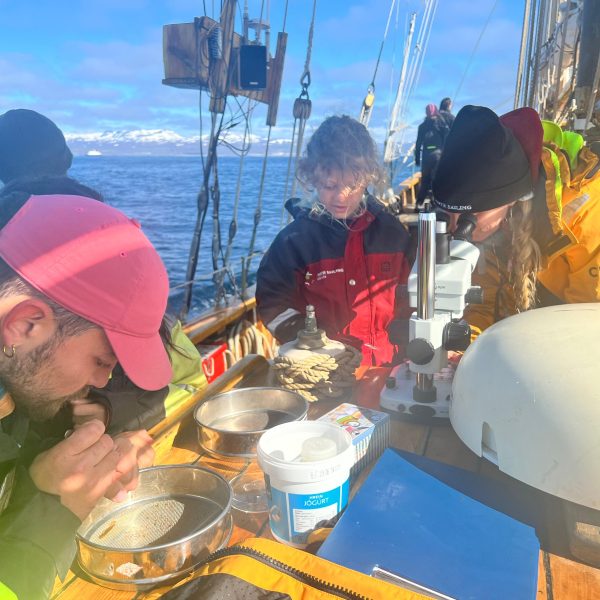
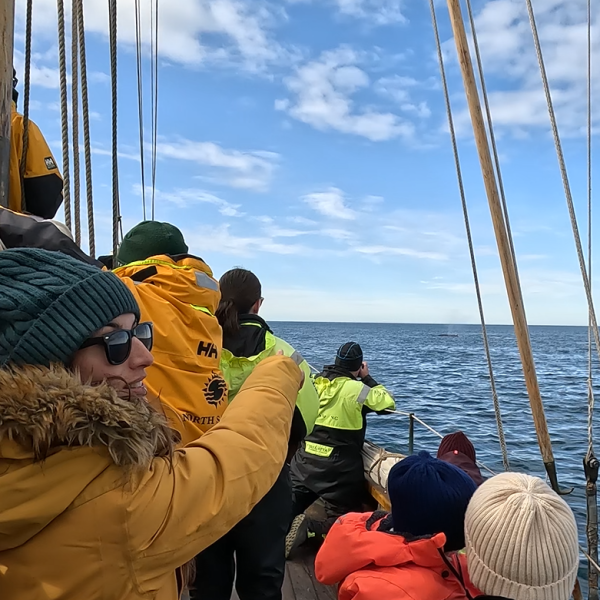
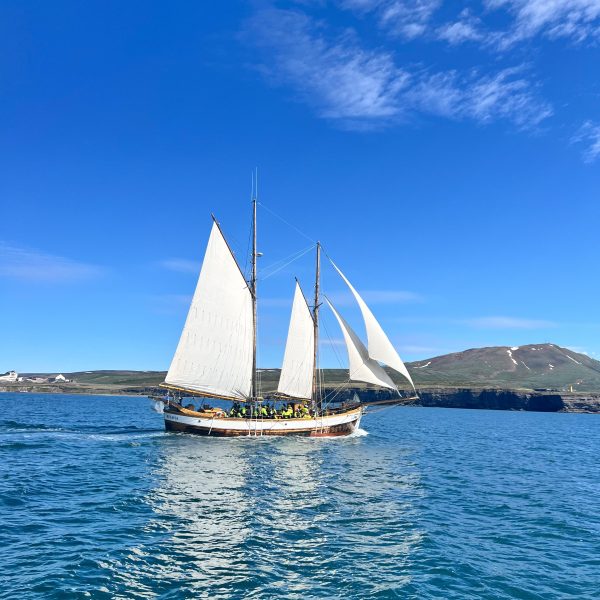
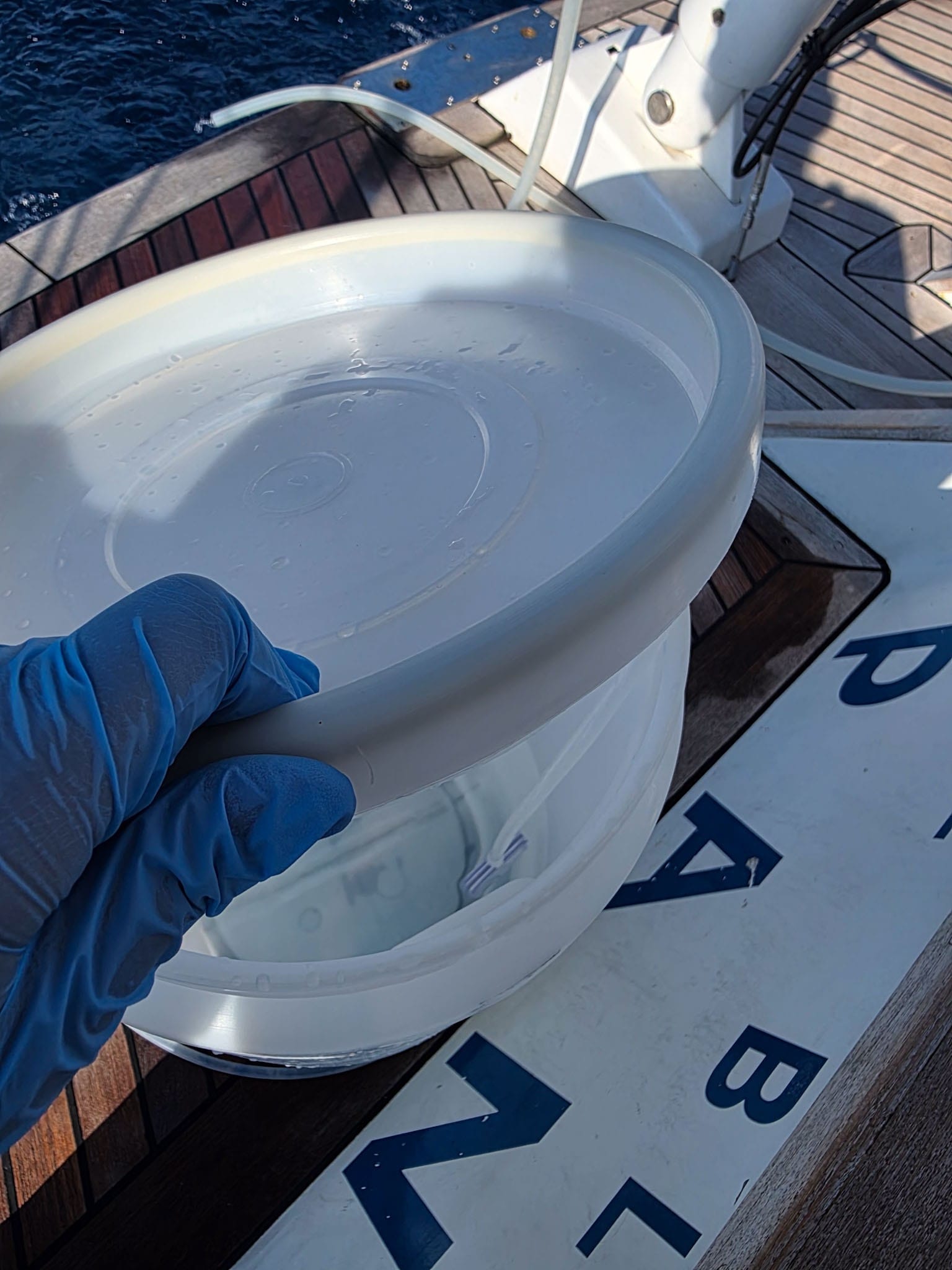
Although no sampling was initially planned for 2025, a small targeted campaign was carried out to investigate potential causes of the low detection rates observed in 2024, with a specific focus on ruling out shipping-related degradation as a contributing factor.

Sampling effort

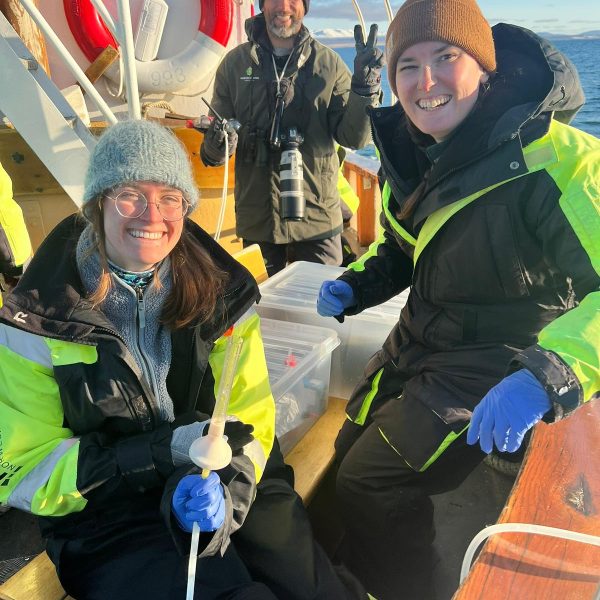
20 samples were collected from humpback whale flukeprints during August and September using Smith-Root filters.

Filtration and replication

For each sample, two replicates were taken, filtering 10 L of seawater per replicate.


Results

By the end of the four-day cruise (5–9 August 2025), a total of 26 filters (17 Sylphium and 9 Waterra) had been collected from 8 fin whales (Balaenoptera physalus) and 1 sperm whale (Physeter macrocephalus).

@Eleonora Barbaccia
@Eleonora Barbaccia
@Eleonora Barbaccia
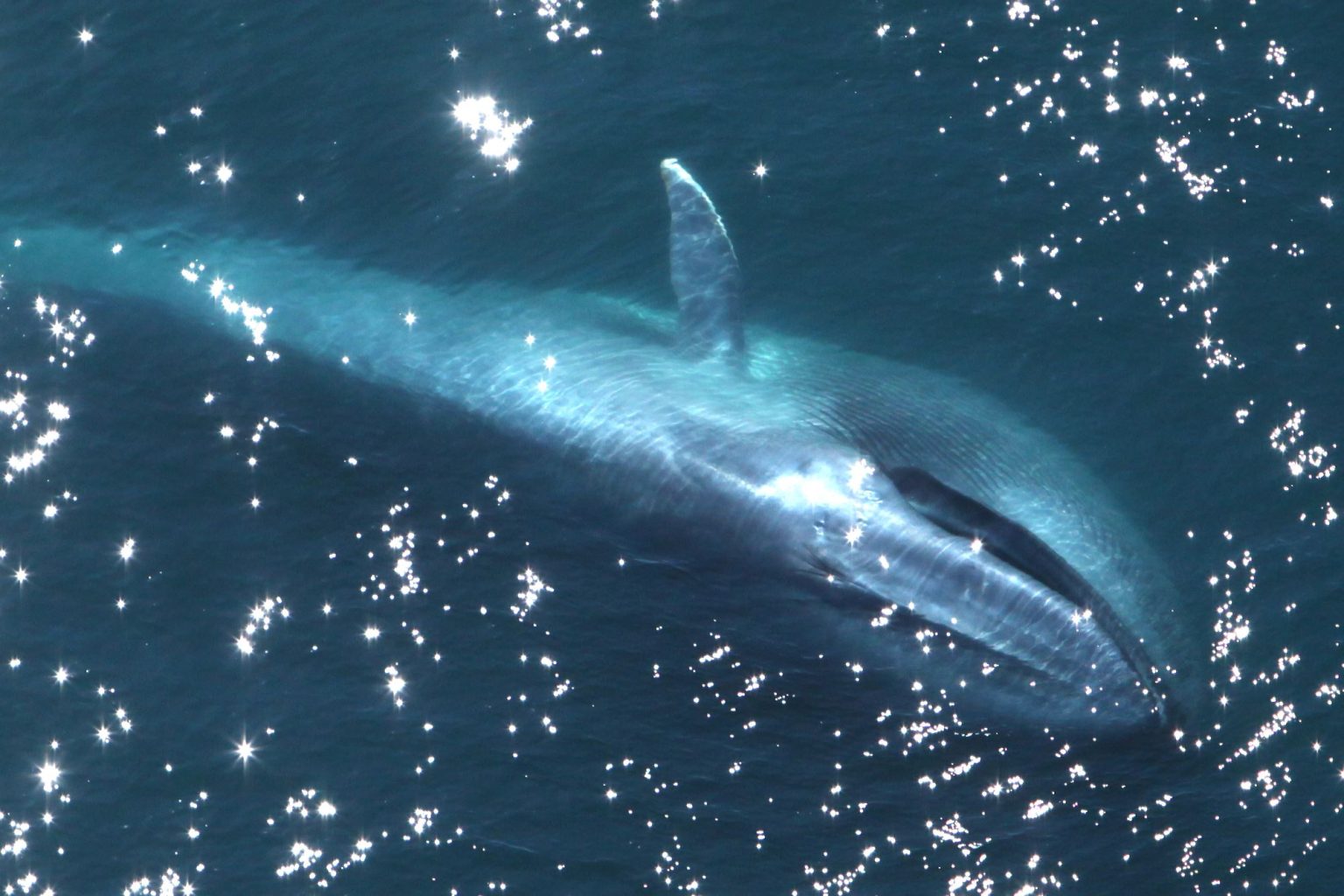
Blue whale (Balaenoptera musculus)

In memoriam of Lorenzo De Bonis

We are deeply saddened by the loss of our colleague and friend, Lorenzo De Bonis.

As a devoted PhD researcher, he brought passion, kindness, and dedication to marine conservation, leaving a lasting impact on everyone who worked with him and on the ocean he cared so deeply for.

Our thoughts are with his family, friends, and colleagues. To support his loved ones: https://www.gofundme.com/f/lorenzo-lolo-de-bonis

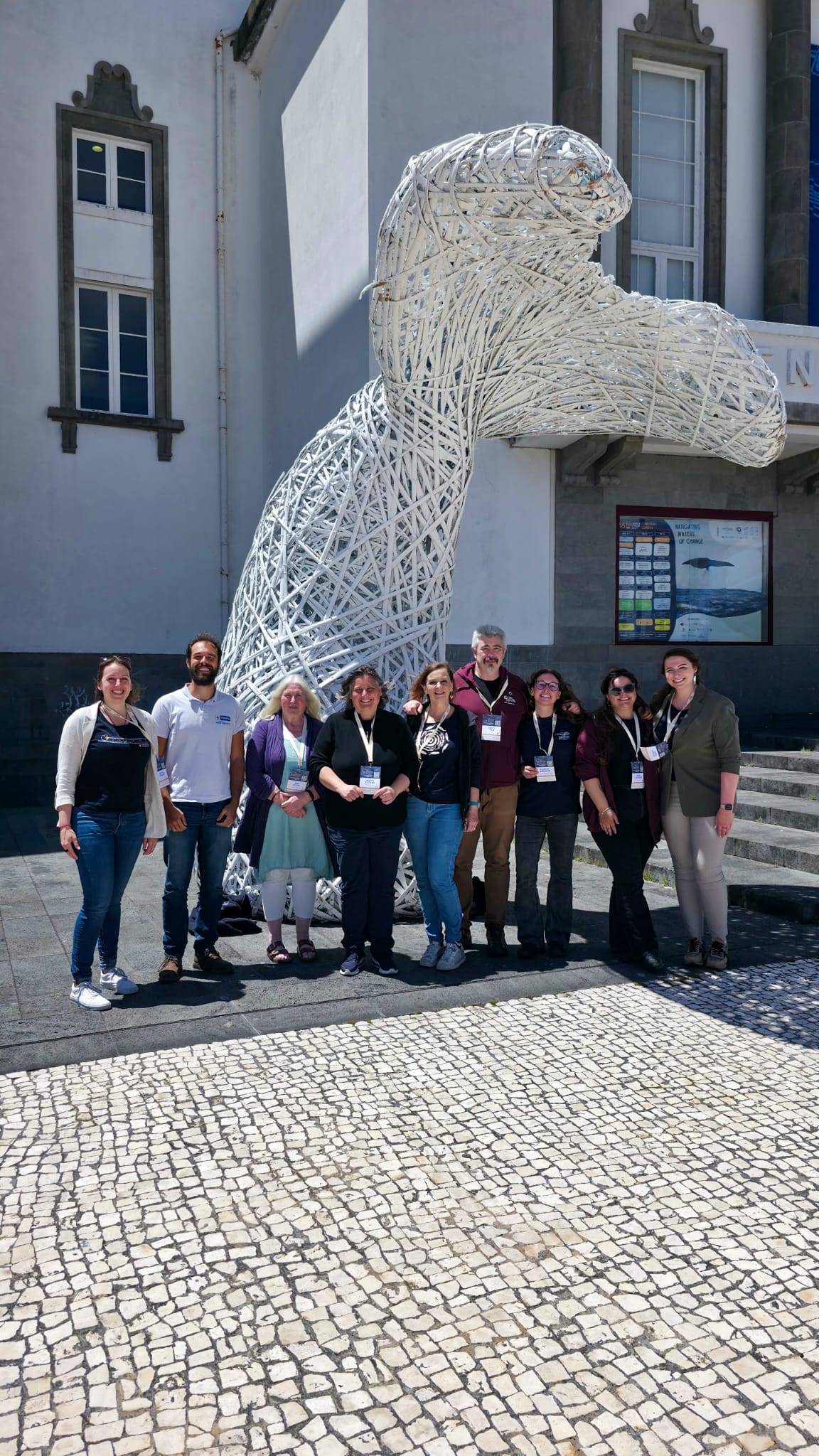
36th European Cetacean Society (May 2025)
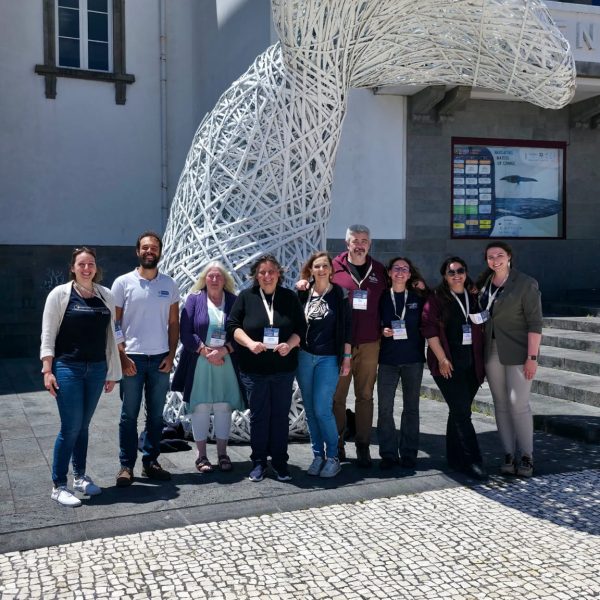
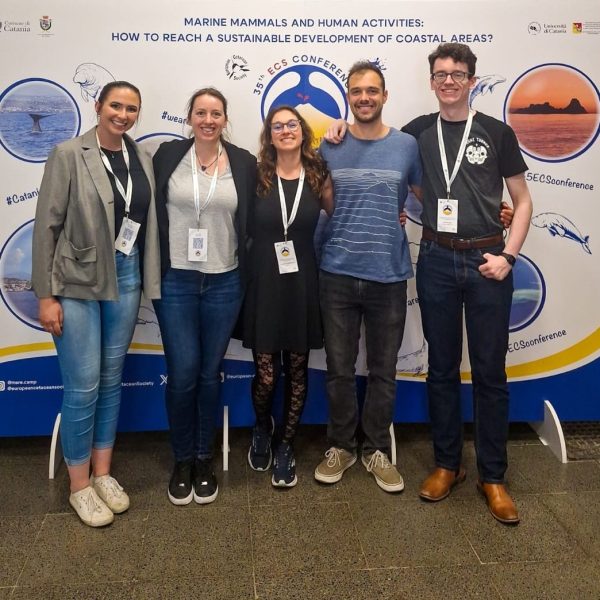
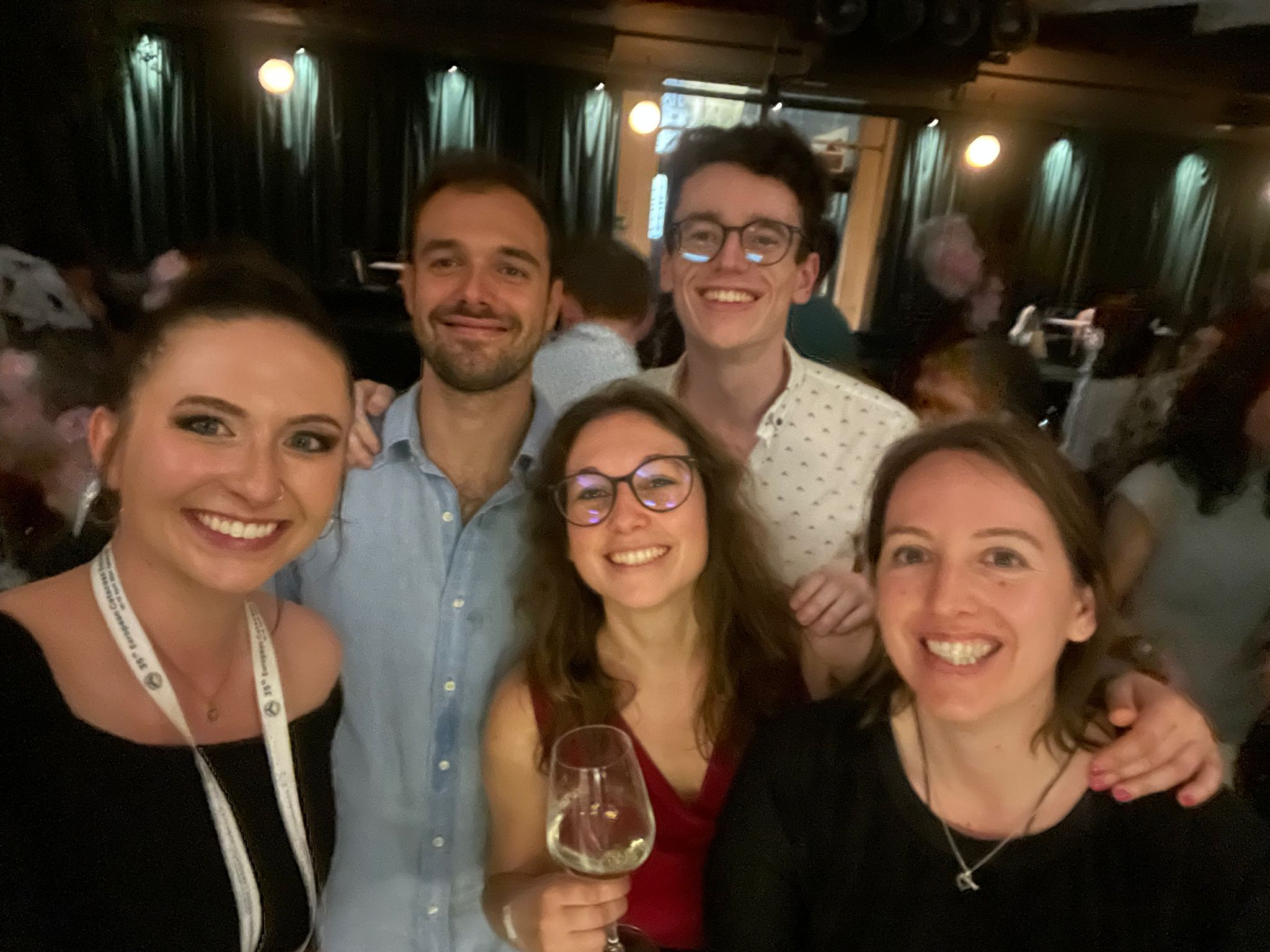
Team eWHALE at the conference
36th European Cetacean Society (May 2025)
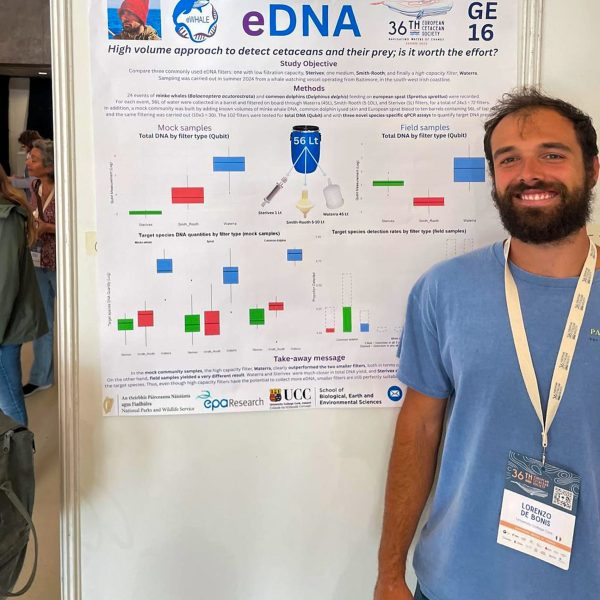
Poster session at the 36th European Cetacean Society 2025
@Lorenzo De Bonis
Poster session at the 36th European Cetacean Society 2025
Poster session at the 35th European Cetacean Society 2024
@Lorenzo De Bonis
Poster session at the 35th European Cetacean Society 2024
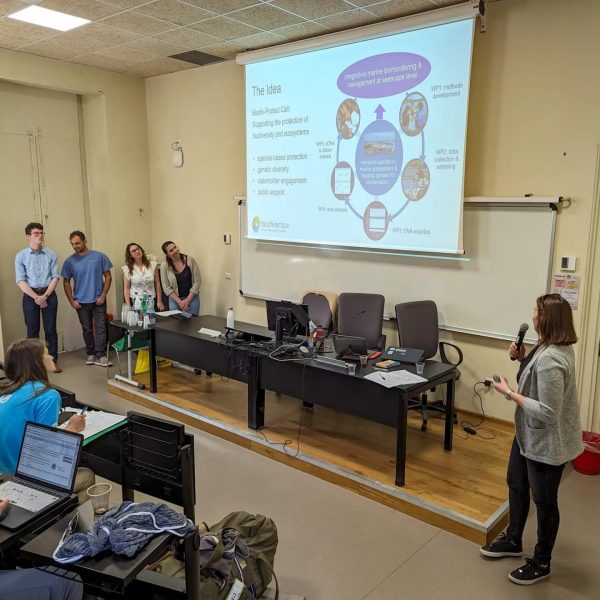
eDNA workshop at the 36th ECS
@Lorenzo De Bonis
eDNA workshop at the 36th ECS
@Lorenzo De Bonis
eDNA workshop at the 36th ECS
@Lorenzo De Bonis
eDNA workshop at the 36th ECS
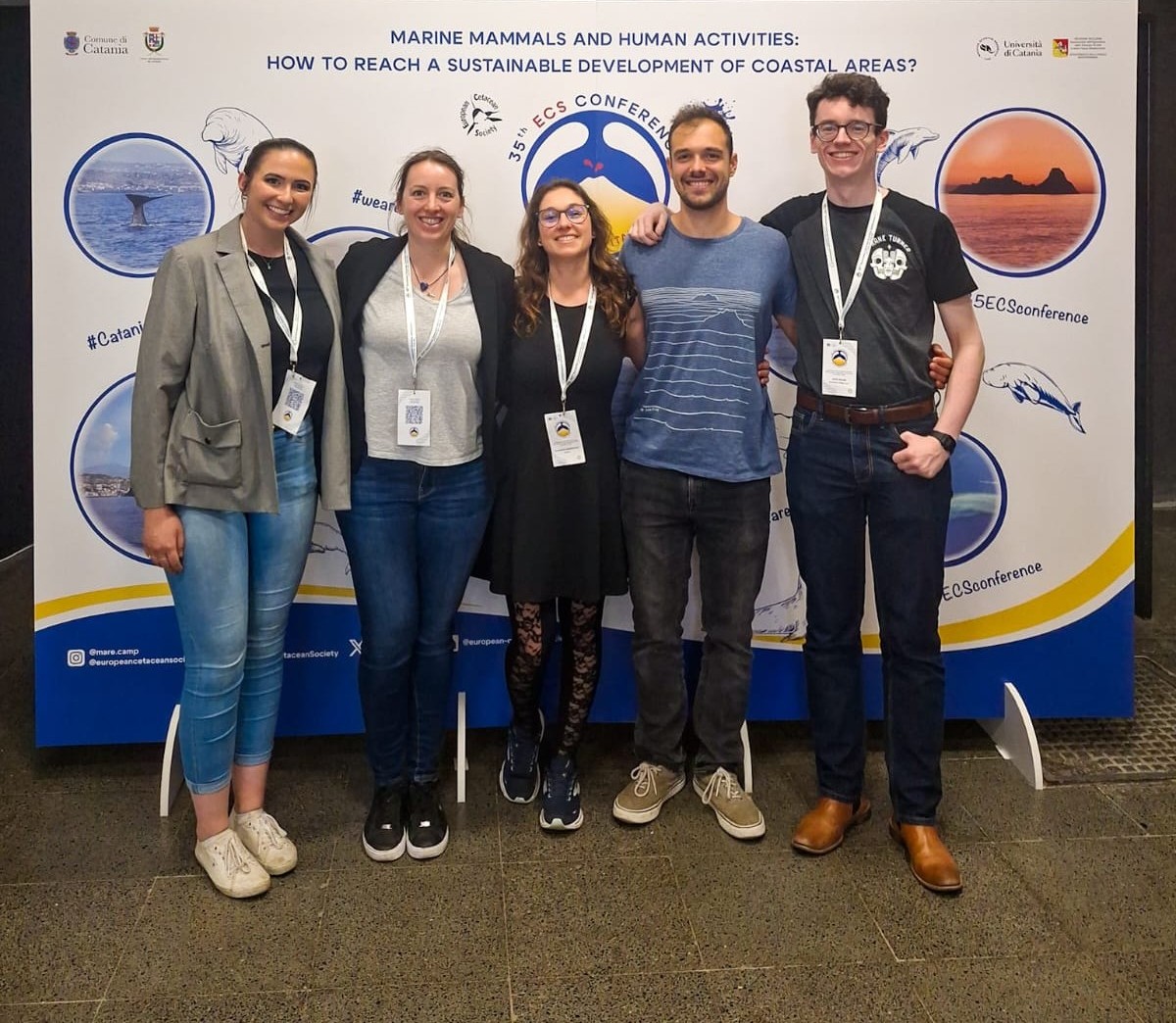
35th European Cetacean Society (April 2024)
@Lorenzo De Bonis
35th European Cetacean Society (April 2024)
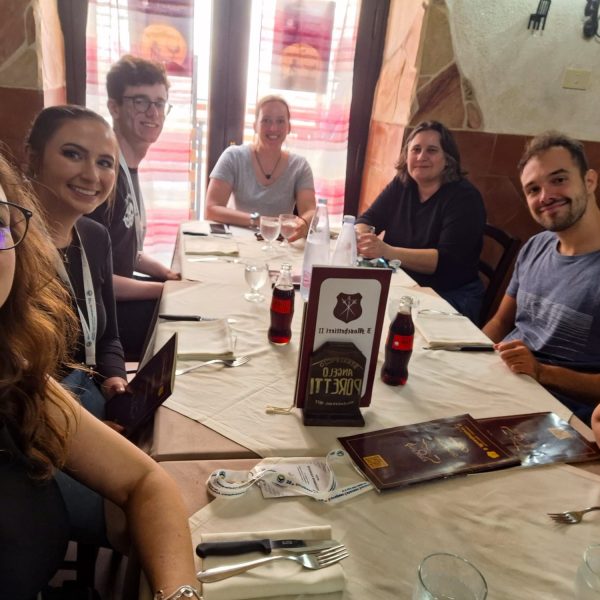
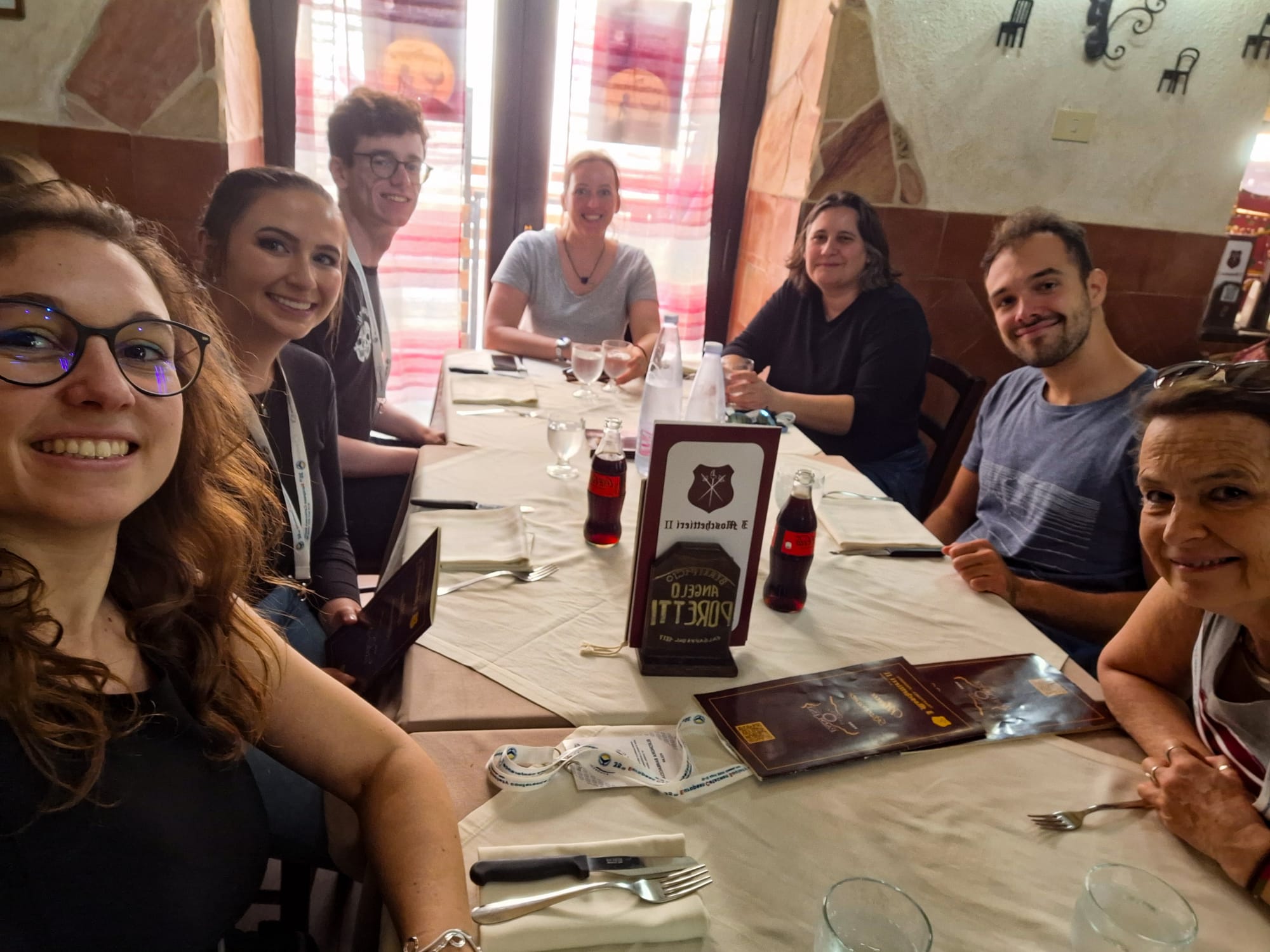
Lunch in Catania at the 35th ECS 2024
@Lorenzo De Bonis
Lunch in Catania at the 35th ECS 2024
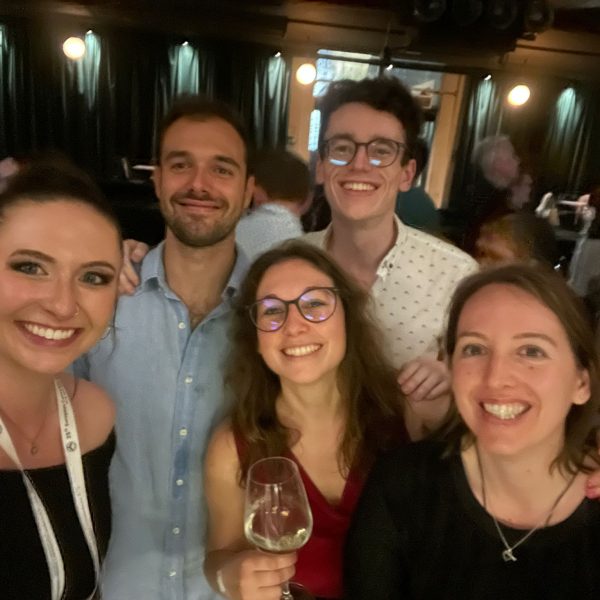
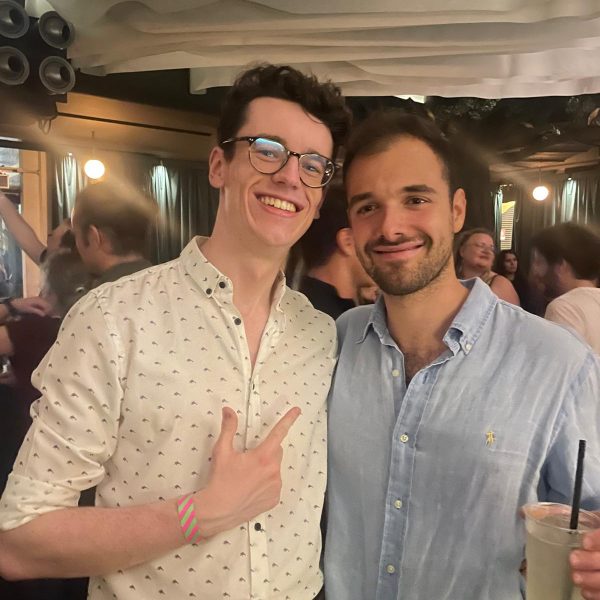
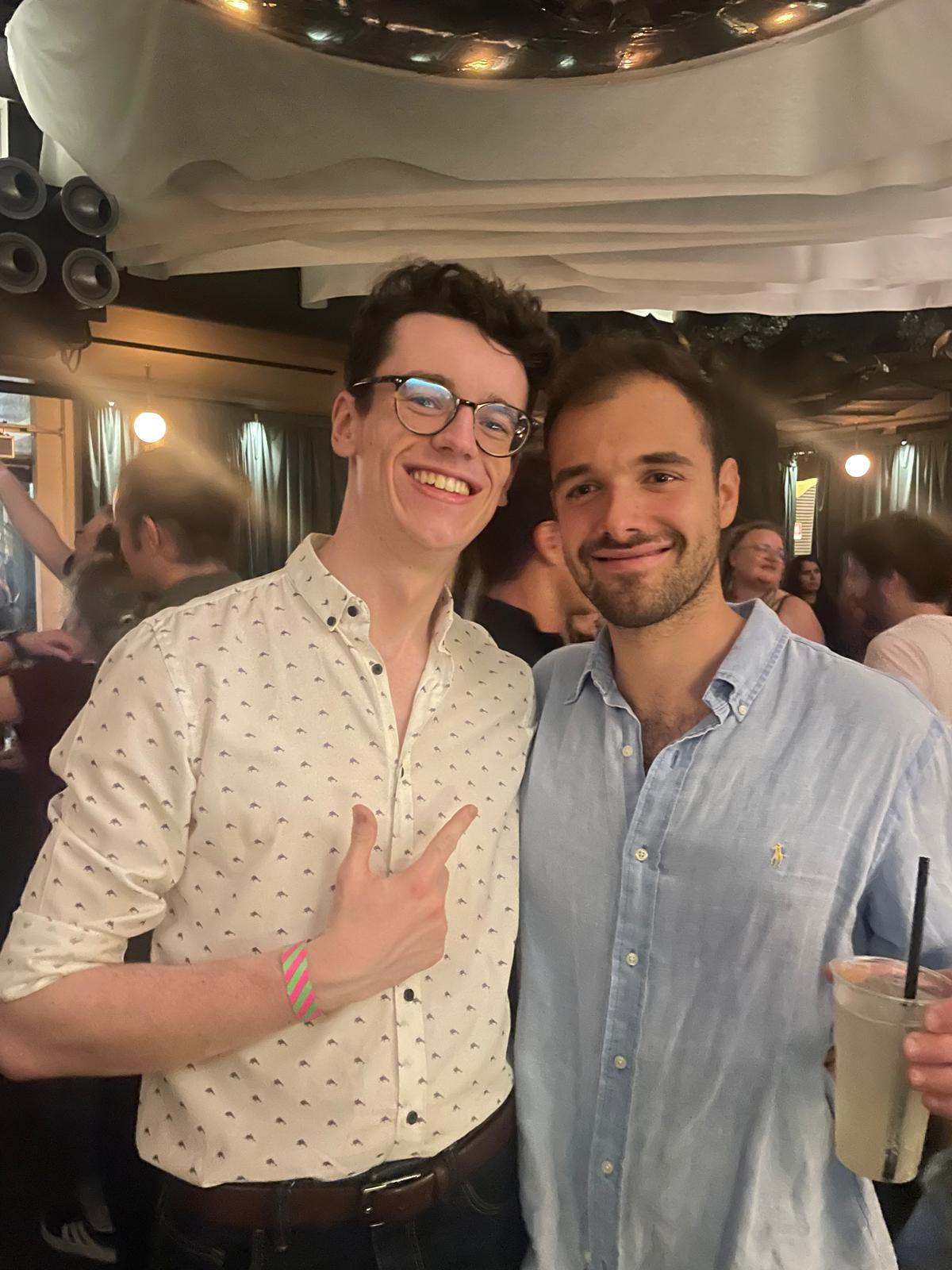
Student party 35th ECS 2024
@Lorenzo De Bonis
Student party 35th ECS 2024
35th European Cetacean Society (April 2024)
@Lorenzo De Bonis
35th European Cetacean Society (April 2024)
@Lorenzo De Bonis
35th European Cetacean Society (April 2024)

Fieldwork in the Med Sea 2025

Written by Eleonora Barbaccia, PhD Student at Politecnico di Milano

Which species were you targeting and why?

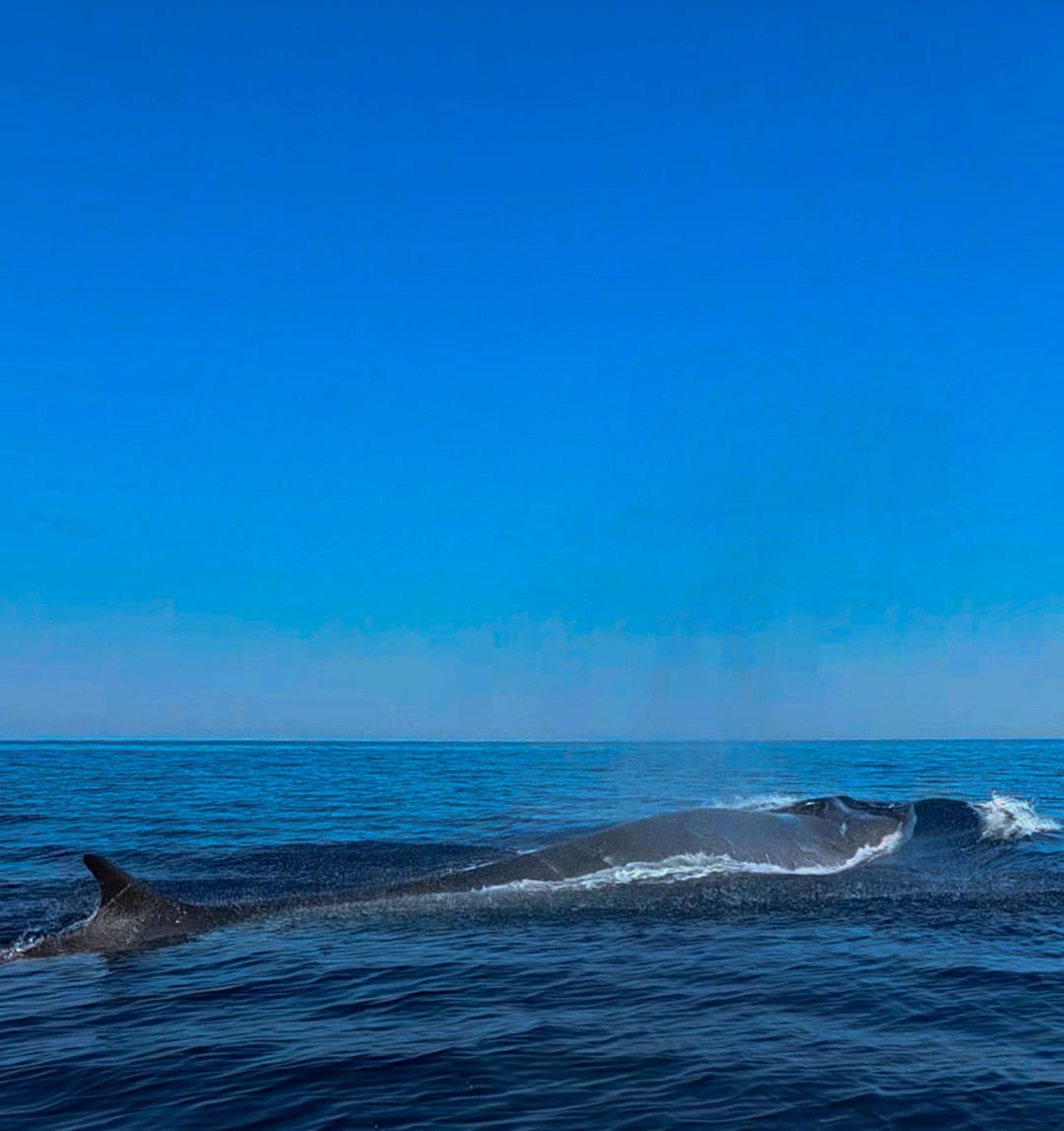
For the final eWHALE sampling campaign, the target species was the fin whale (Balaenoptera physalus), with the specific aim of investigating its population genetic structure in the Mediterranean Sea.

How many litres of water did you collect and which eDNA filters were used?

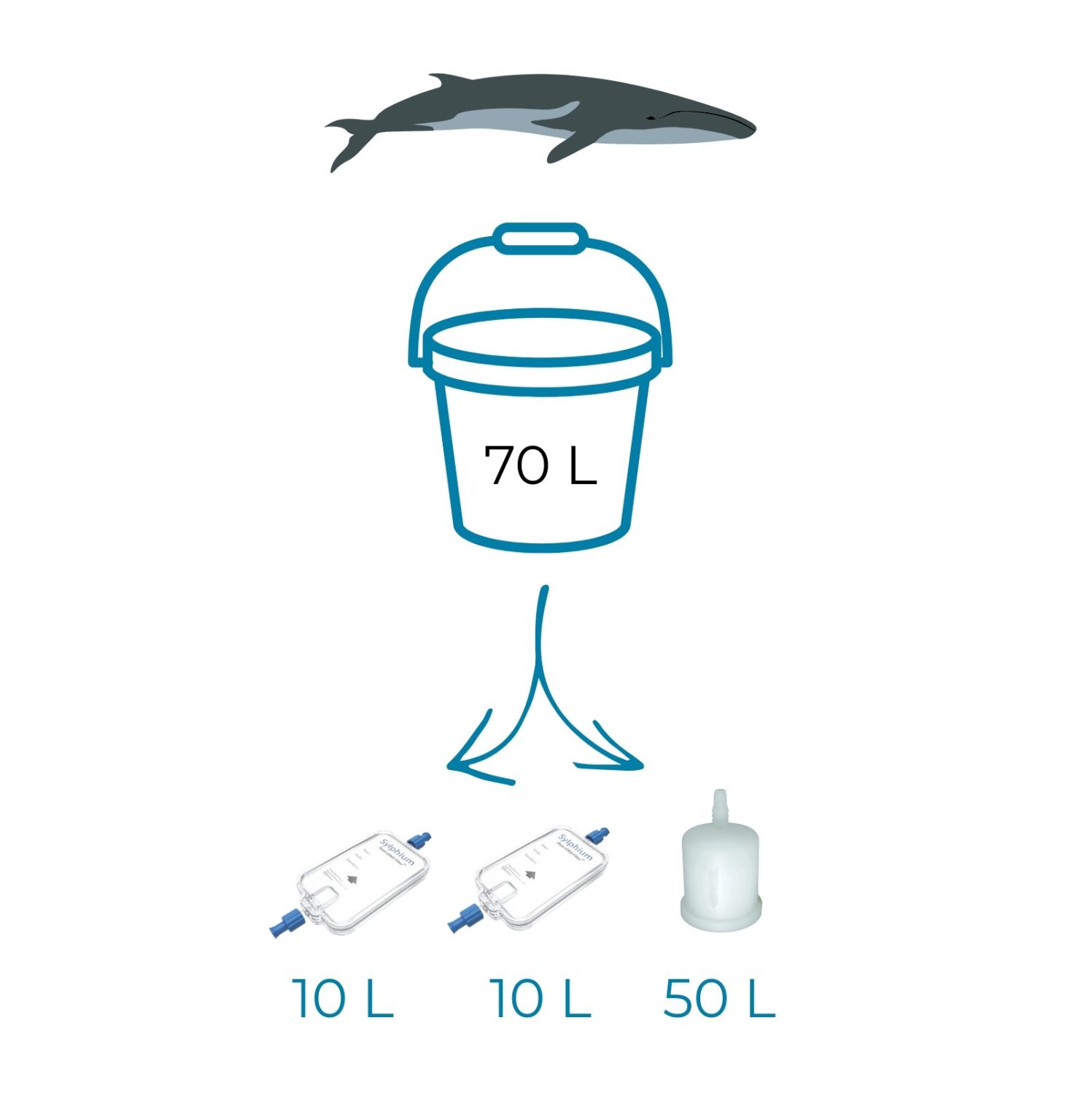
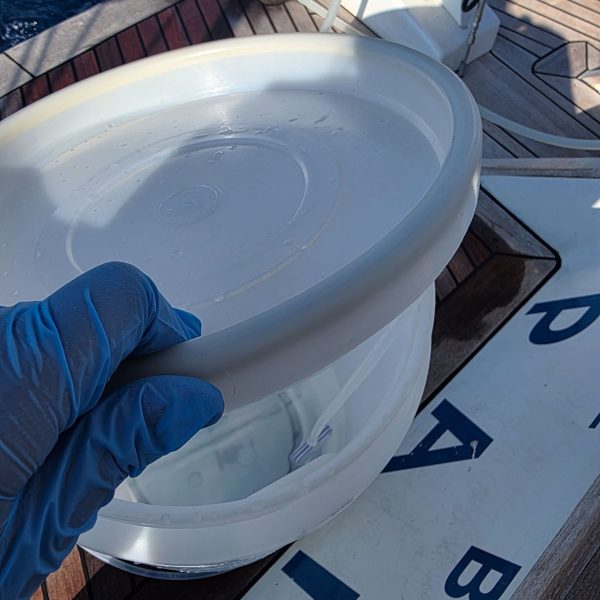
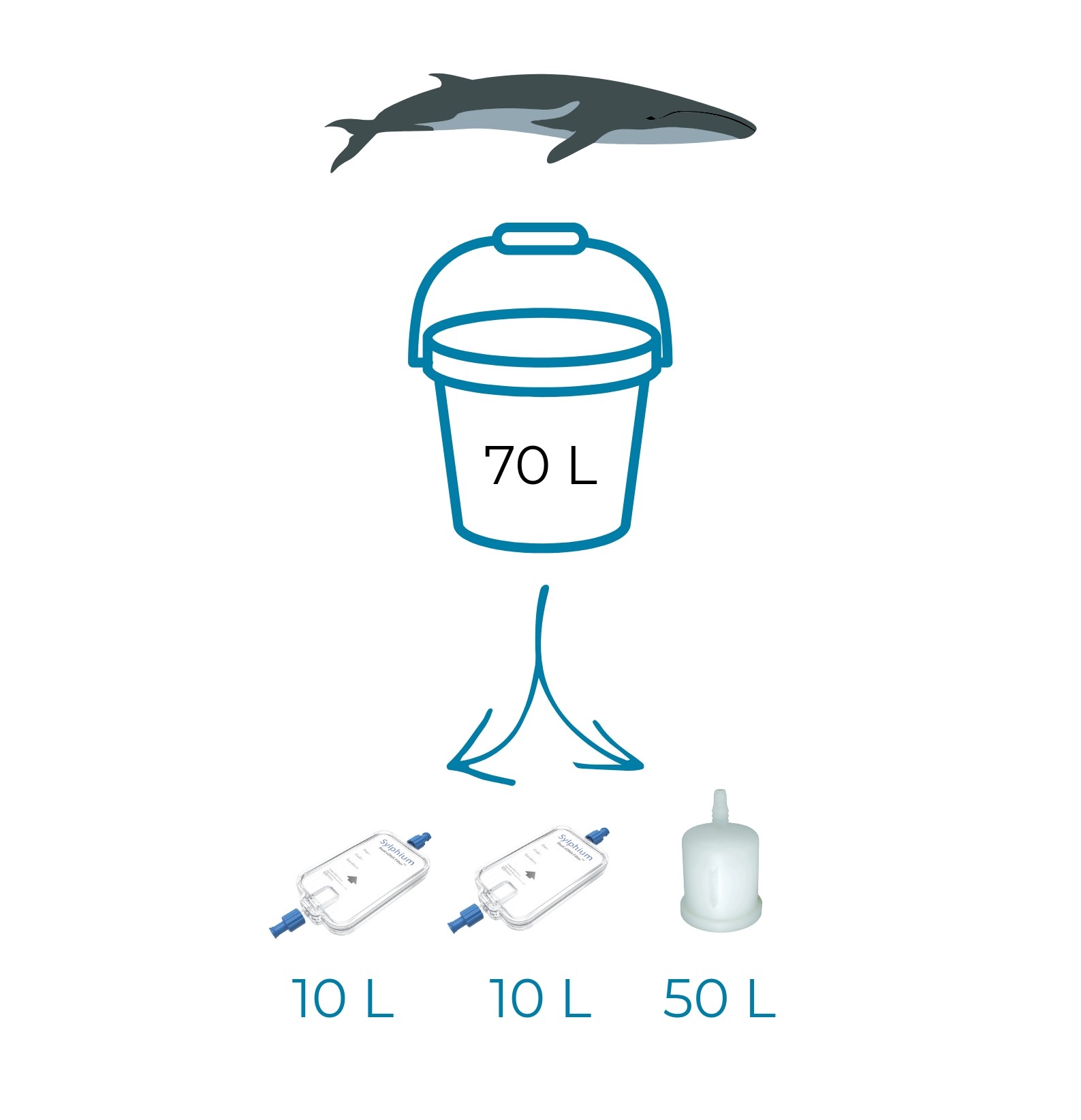
For each encounter, we collected 70 L of seawater using two 30 L buckets, of which 20 L were subsequently filtered with Sylphium (0.8 µm) filters (2 x 10 L) and the remaining 50 L with Waterra (0.45 µm) filters.

Where did you go sampling?

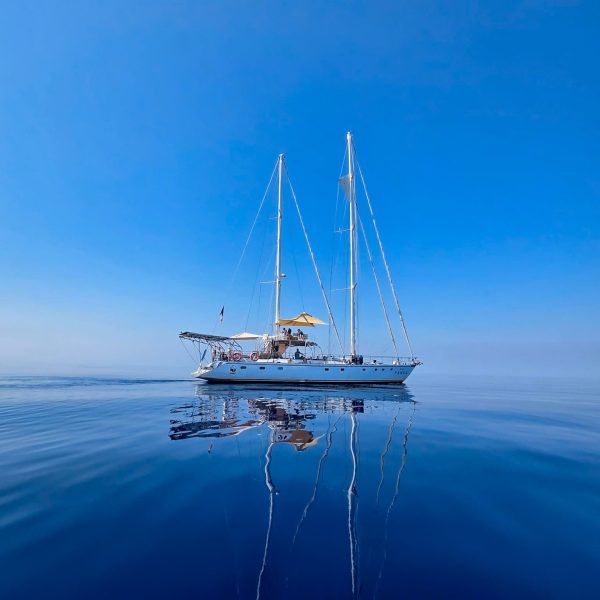
The 2025 sampling campaign was carried out in the Ligurian Sea off Toulon (France), with samples collected mainly in August on board the Blue Panda, the research vessel of WWF France.


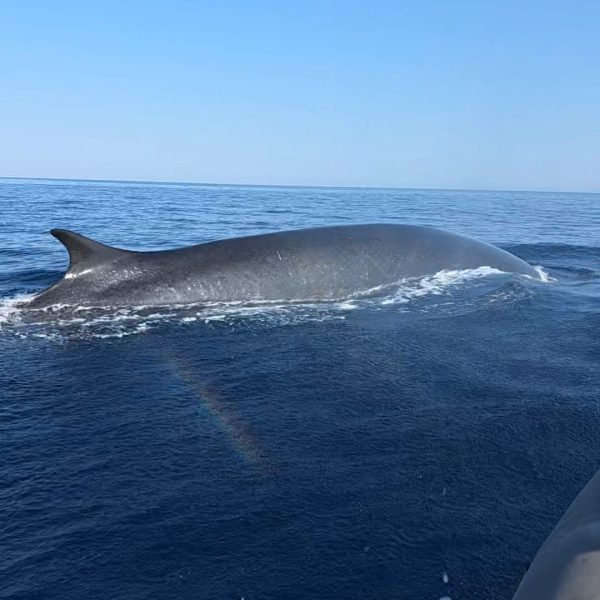
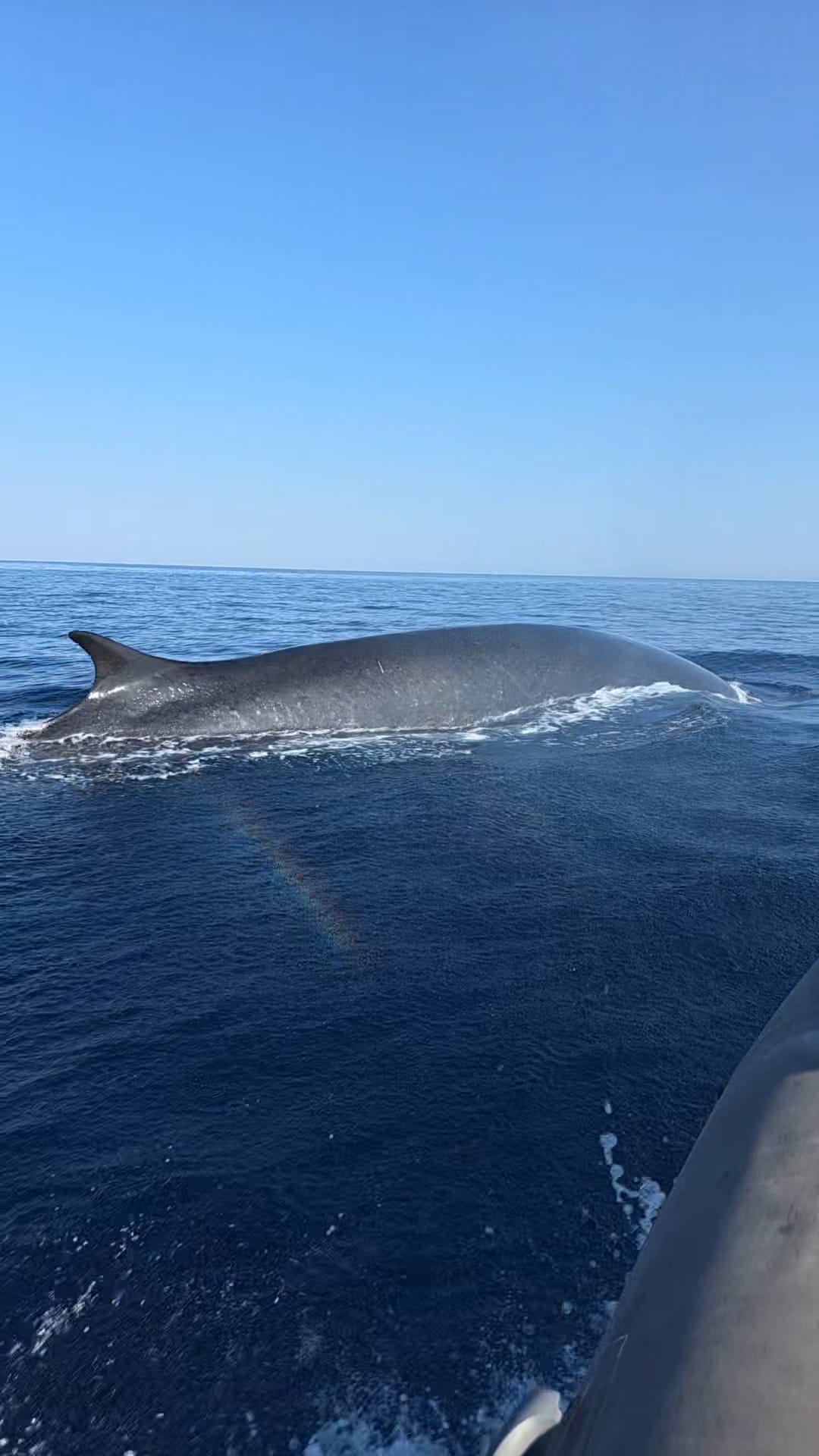
Fin whale (Balaenoptera physalus)
@Eleonora Barbaccia
Fin whale (Balaenoptera physalus)
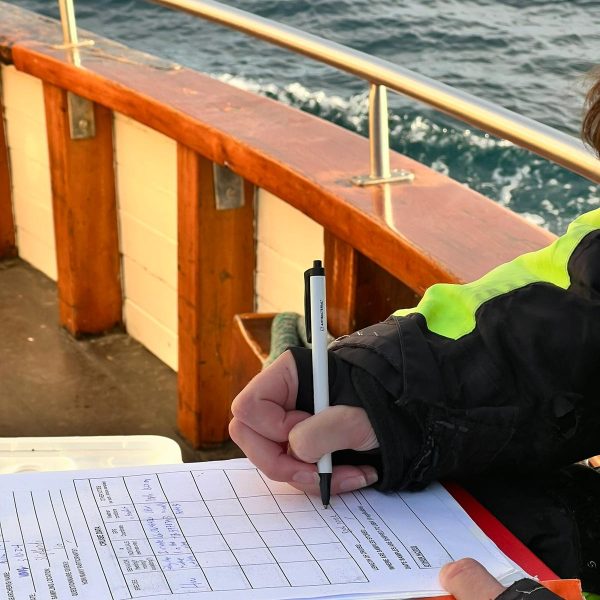
Italian team sampling protocol 2025
Blue Panda boat
Blue Panda boat
@Eleonora Barbaccia
Blue Panda boat

Results

By the end of the four-day cruise (5–9 August 2025), a total of 26 filters (17 Sylphium and 9 Waterra) had been collected from 8 fin whales (Balaenoptera physalus) and 1 sperm whale (Physeter macrocephalus).

Fin whale (Balaenoptera physalus)
@Eleonora Barbaccia
Fin whale (Balaenoptera physalus)
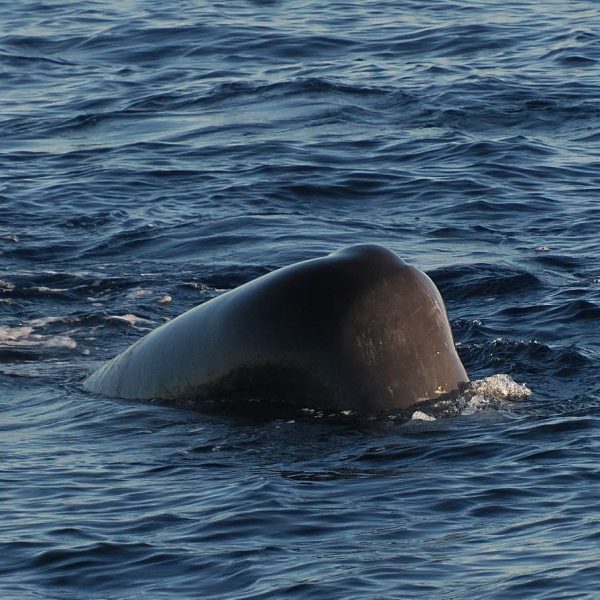
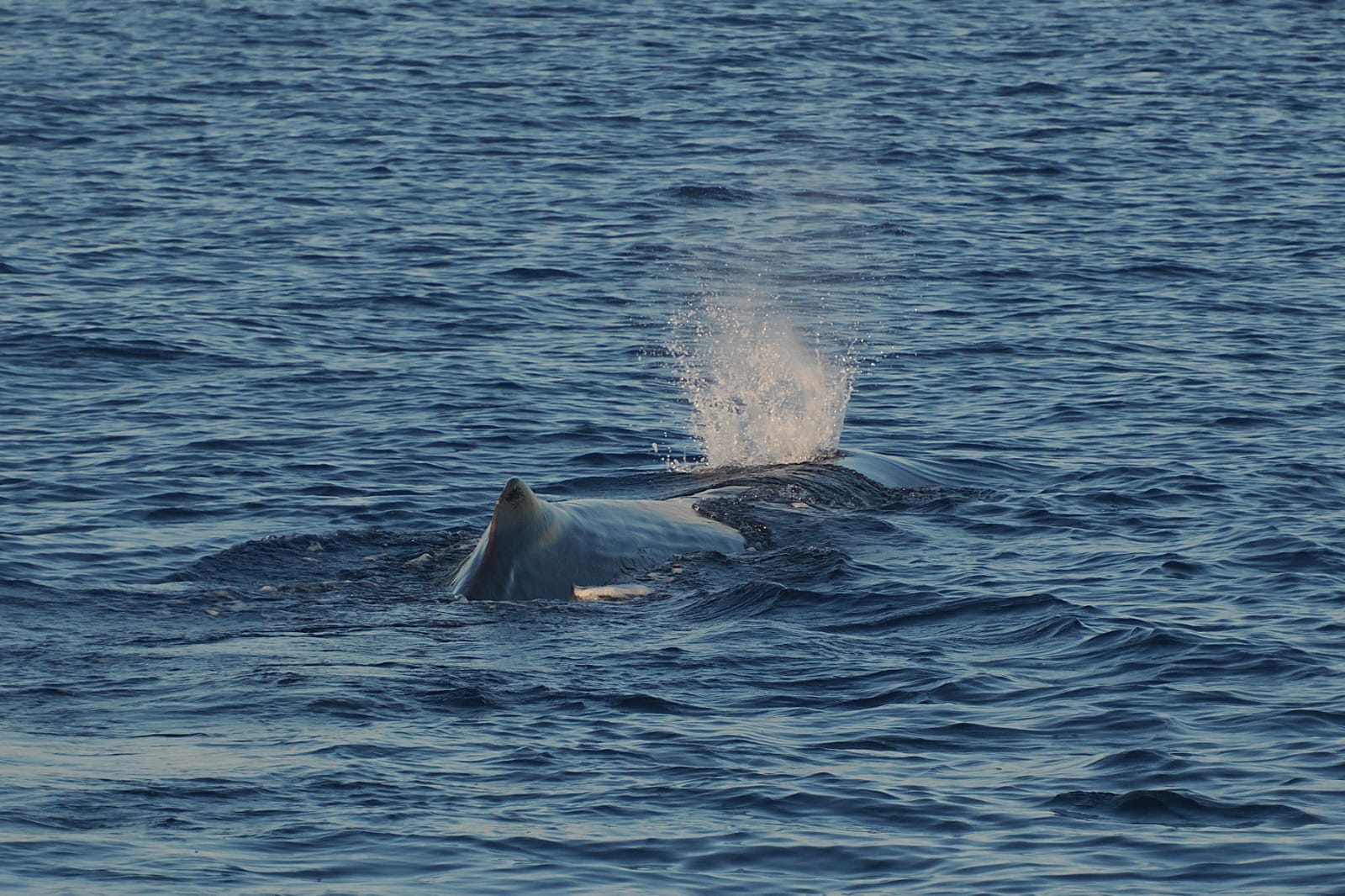
The sperm whale or cachalot (Physeter macrocephalus)
@Eleonora Barbaccia
The sperm whale or cachalot (Physeter macrocephalus)
@Eleonora Barbaccia
The sperm whale or cachalot (Physeter macrocephalus)
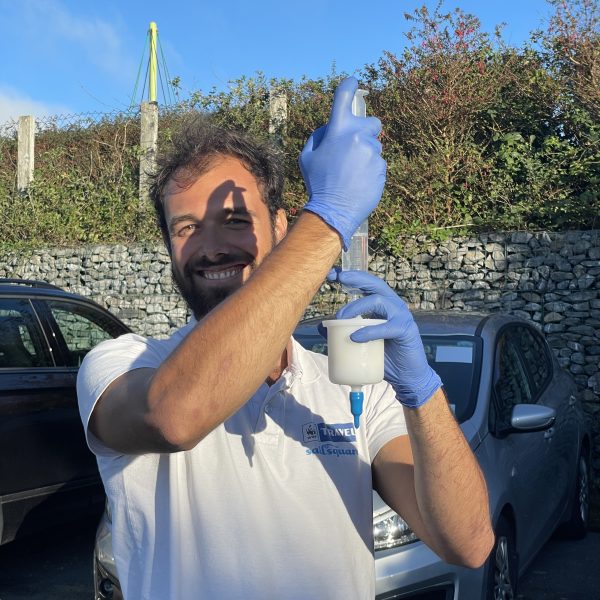
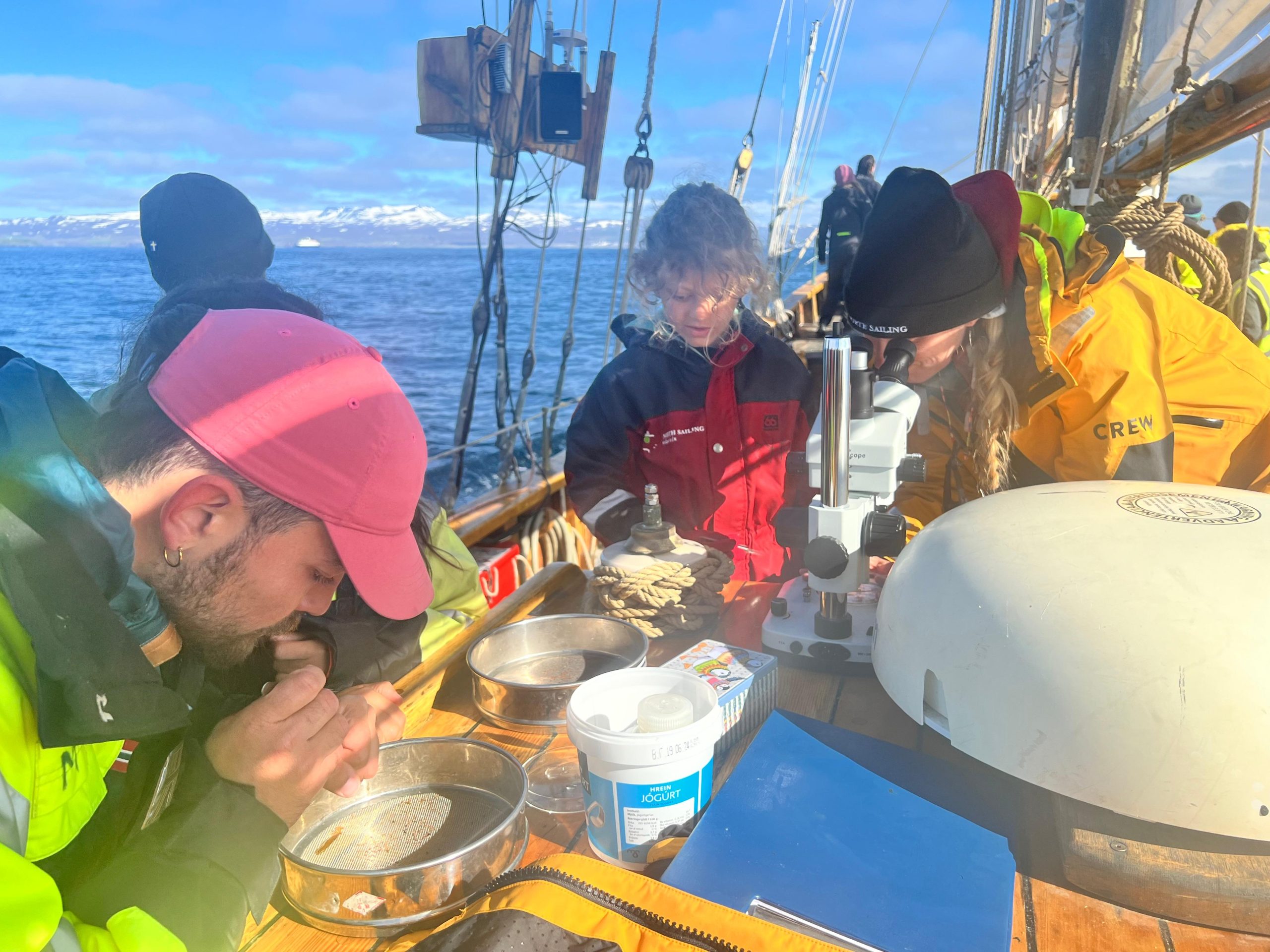
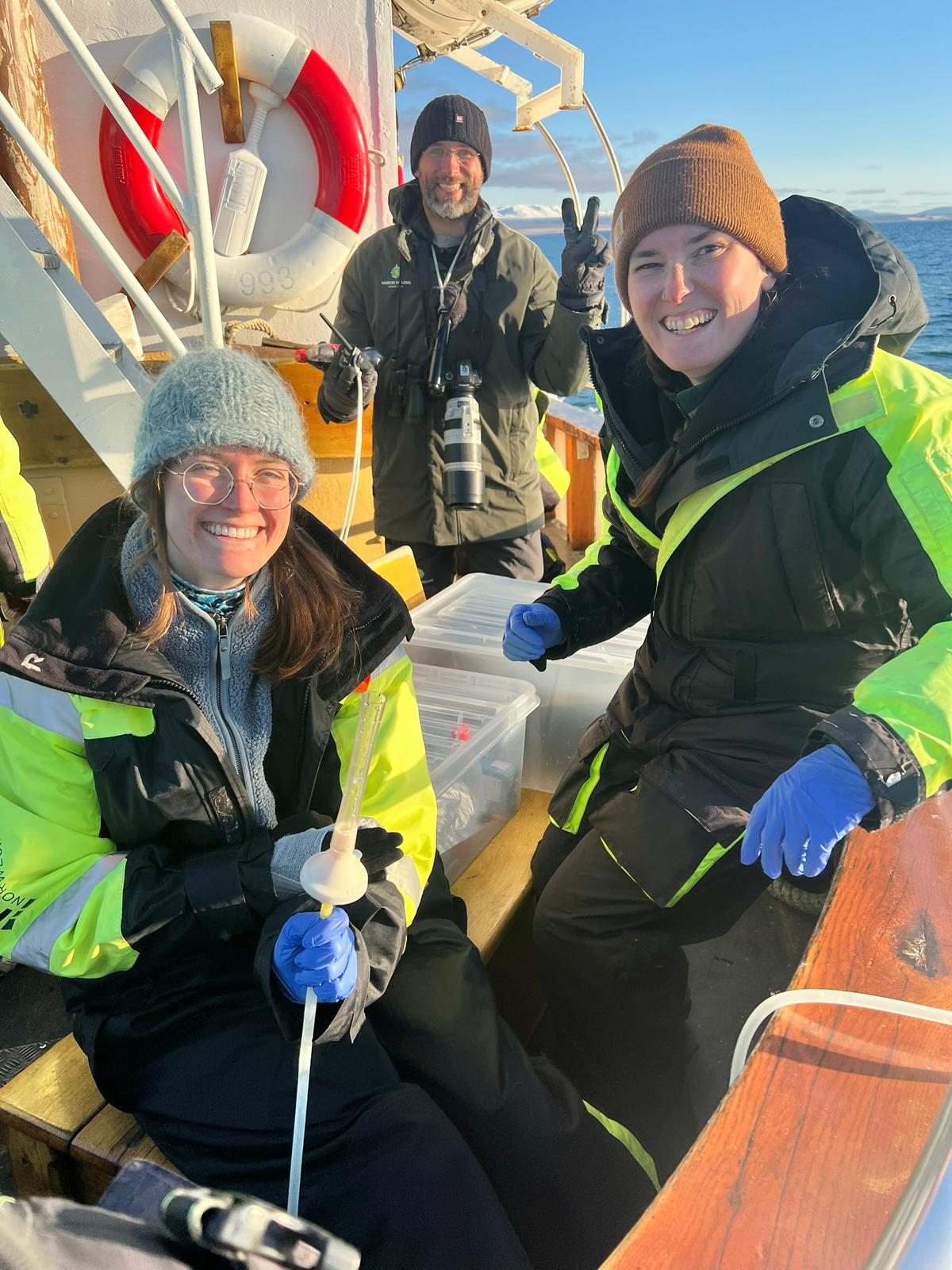
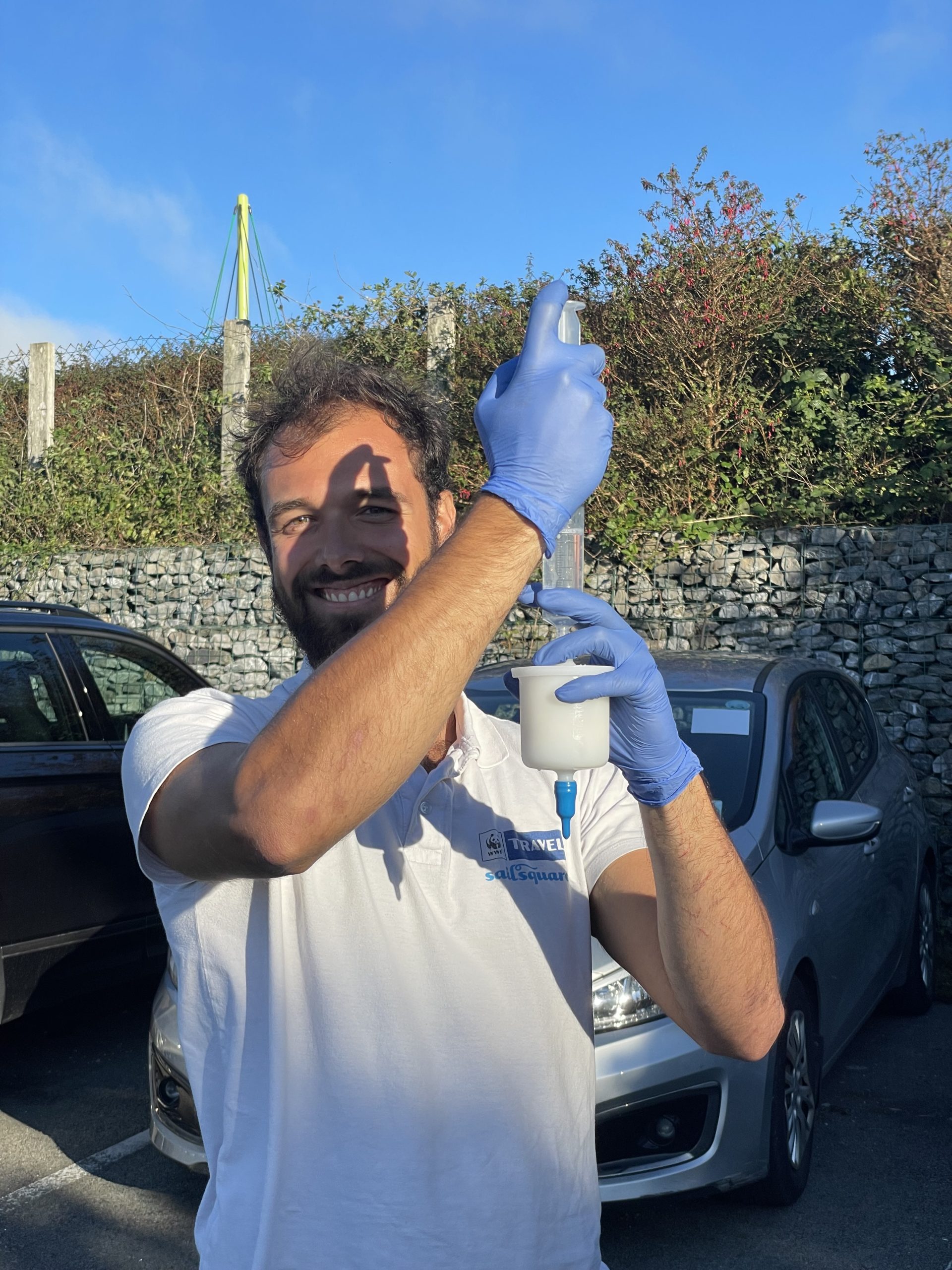
Eleonora Barbaccia filtering
@Eleonora Barbaccia
Eleonora Barbaccia filtering
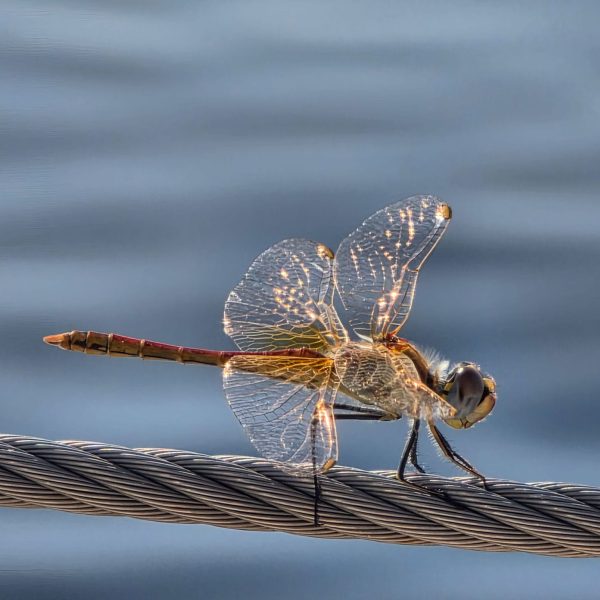
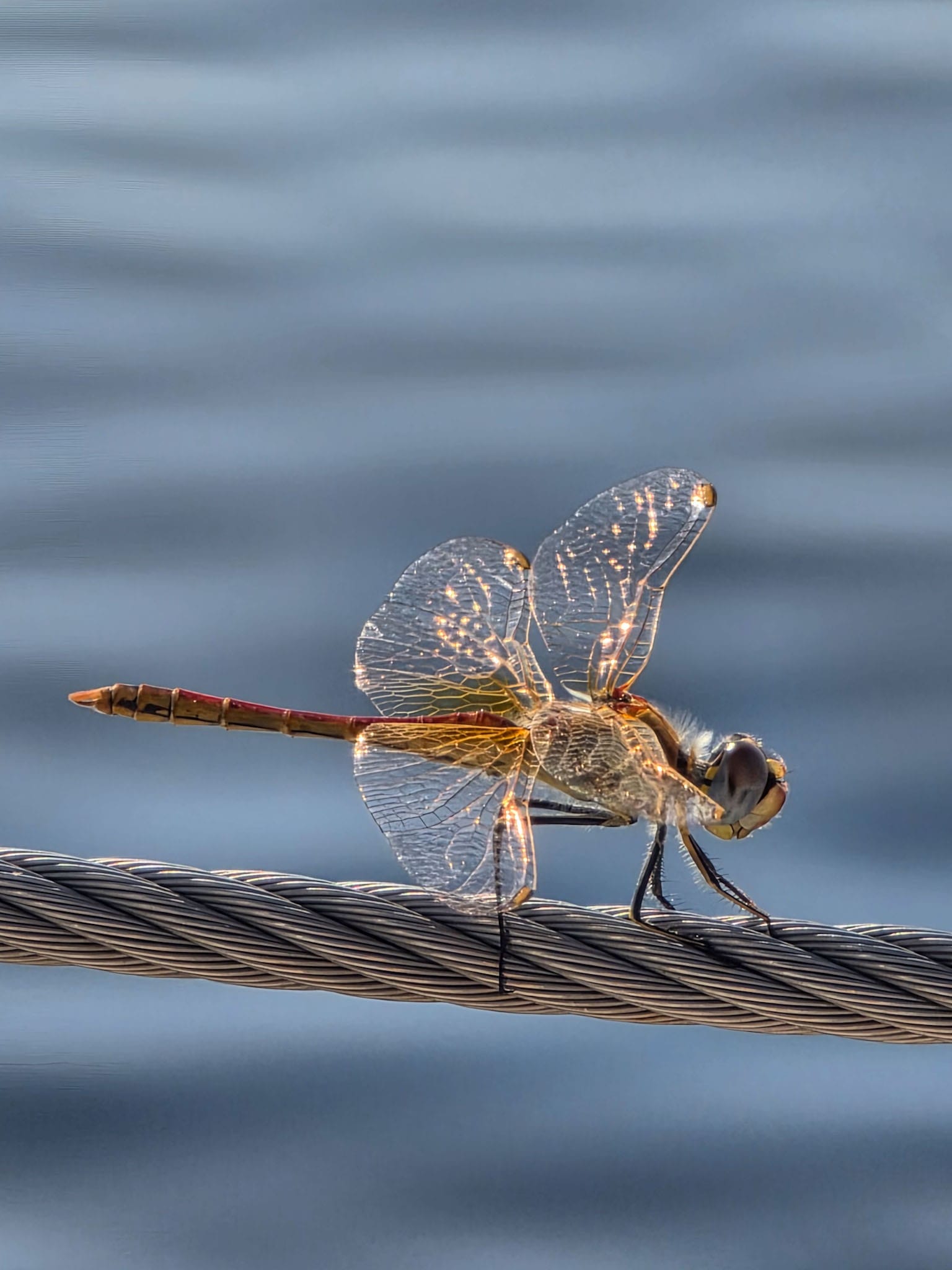
Dragonfly
Dragonfly
@Eleonora Barbaccia
Dragonfly
Filtering
Filtering
@Eleonora Barbaccia
Filtering

Fieldwork in the Azores

Written by Lauren Rodriguez, PhD Candidate at the University of Innsbruck (July 2023)

This summer I had the opportunity to spend a month in the beautiful Azores (Portugal), an archipelago in the mid-Atlantic Ocean. Here, my goal was to collect environmental DNA (eDNA) samples from the water around whales either onboard a whale watching boat or research vessel.

To collect samples, I had two types of eDNA filters (which captures the genetic material from water via small pores), a peristaltic pump which aided in the efficiency of water filtration, and tubing to connect the filters to the pump. I’d collect water (either 10L or 30L) from behind whales which either breached (jumped out of the water), fluked (dove down into the water), or were biopsied (a sample of skin collected) using buckets. These buckets could be quite heavy, so I definitely got my workout in on sampling days.

Who was involved in fieldwork? 

I was mainly the one collecting and filtering water, but on occasion, I had assistance from team members of CW Azores, the whale watching company who is a partner of the eWHALE project (Pico, Azores). I also was helped by the biopsy-collection team at the University of Azores (Faial, Azores) who were collecting biopsies from sperm whales.

Lauren Sampling with University of the Azores


Where did you go sampling? 

Mainly, we were sampling around the islands of Pico and Faial (see the map!) and occasionally near São Jorge.

How was the weather/sea conditions? 

Mostly, the weather was beautiful! Blue skies, calm water, and sun. On occasion, there were nasty weather conditions.

Pico, Faial

Which species were you targeting and why? 

Onboard CW Azores vessels, we were targeting any whale species as the goal was to optimize sampling protocols in general whereas with the university team, we were targeting sperm whales. The samples with the university team will be analyzed for the purpose of assessing intraspecific genetic diversity - therefore, the biopsies from sperm whales will be directly compared with genetic data derived from the water!

Sperm Whale @RicardoFGVentura


Which other species did you see? 

During my time in the Azores, I saw so many creatures! The marine mammals that I saw were sperm whales (of course), Northern bottlenose whales, Sowerby’s beaked whales, false killer whales, bottlenose dolphins, spinner dolphins, and spotted dolphins. I also saw a lot of Cory’s shearwater birds (a common seabird around the Azores), small lizards, and mobula (Devil rays).

What was the most interesting thing that happened in the field? 

While onboard the University of Azores research vessel, we saw a baby sperm whale that was only a couple of hours old! It was very special. That same day, we also got to see a pod of spotted dolphins that had newborns (see picture!).

Spotted Dolphin with Baby

What was the best part of fieldwork? 

Aside from the obvious answer of working alongside whales, my favorite part was working with other marine mammal researchers and whale watching guides. Everyone was very kind and welcomed me with open arms. I even got to attend a festival on the island of Pico with staff from CW Azores!

Lauren with Michael and Rita from CW Azores


Were you working with citizen scientists? If so, were they interested in eWHALE?

Onboard the whale watching boats with CW Azores, most citizen scientists were very interested in hearing about eWHALE and whale research in general! Most hadn’t heard of environmental DNA before but understood the concepts of using DNA evidence from shows like CSI. Whale watchers got to see me collect and filter water for eDNA near sperm whales during their 2-3 hour expedition.

Lauren Sampling with CW Azores
en_CAEnglish