Author: whale

European Cetacean Society 2024

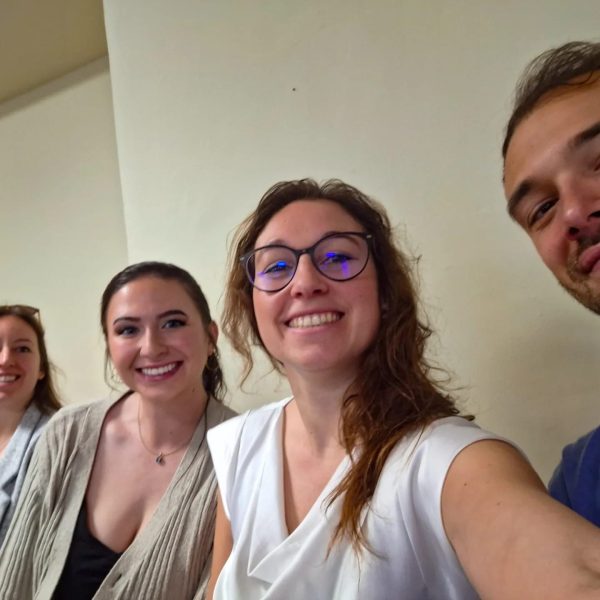
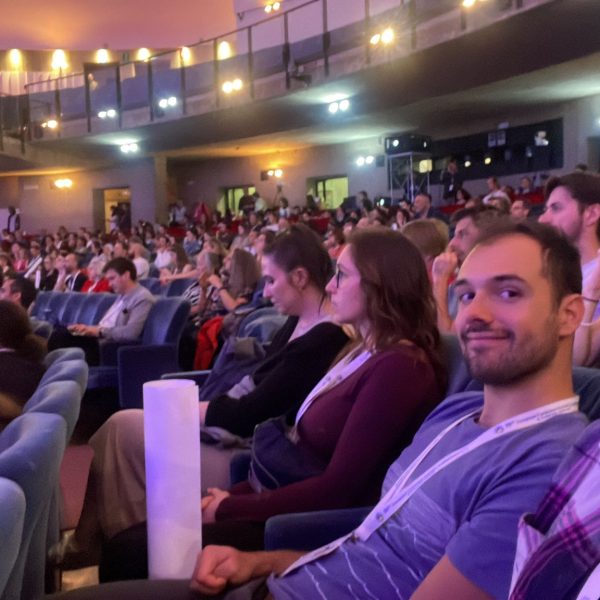
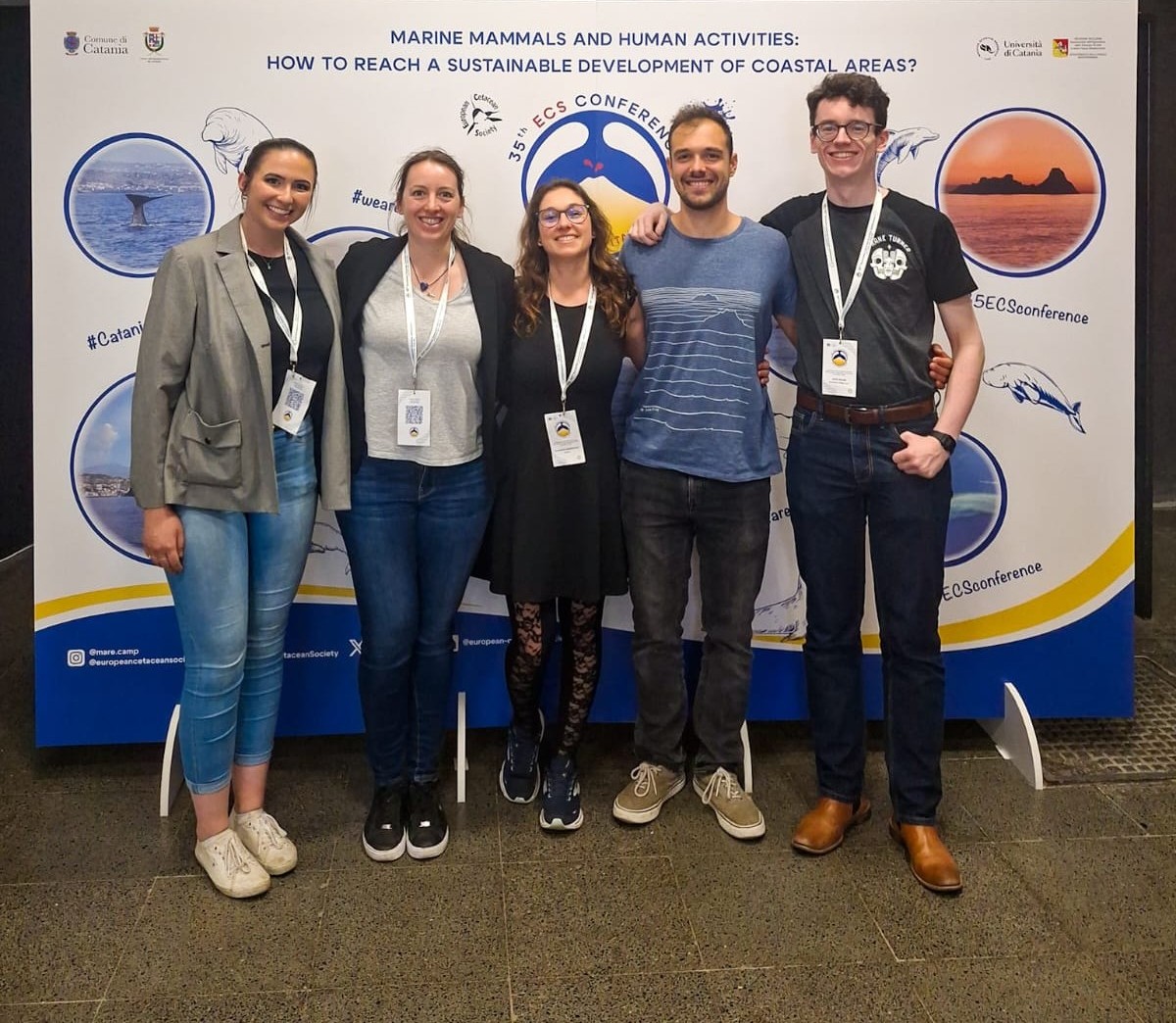
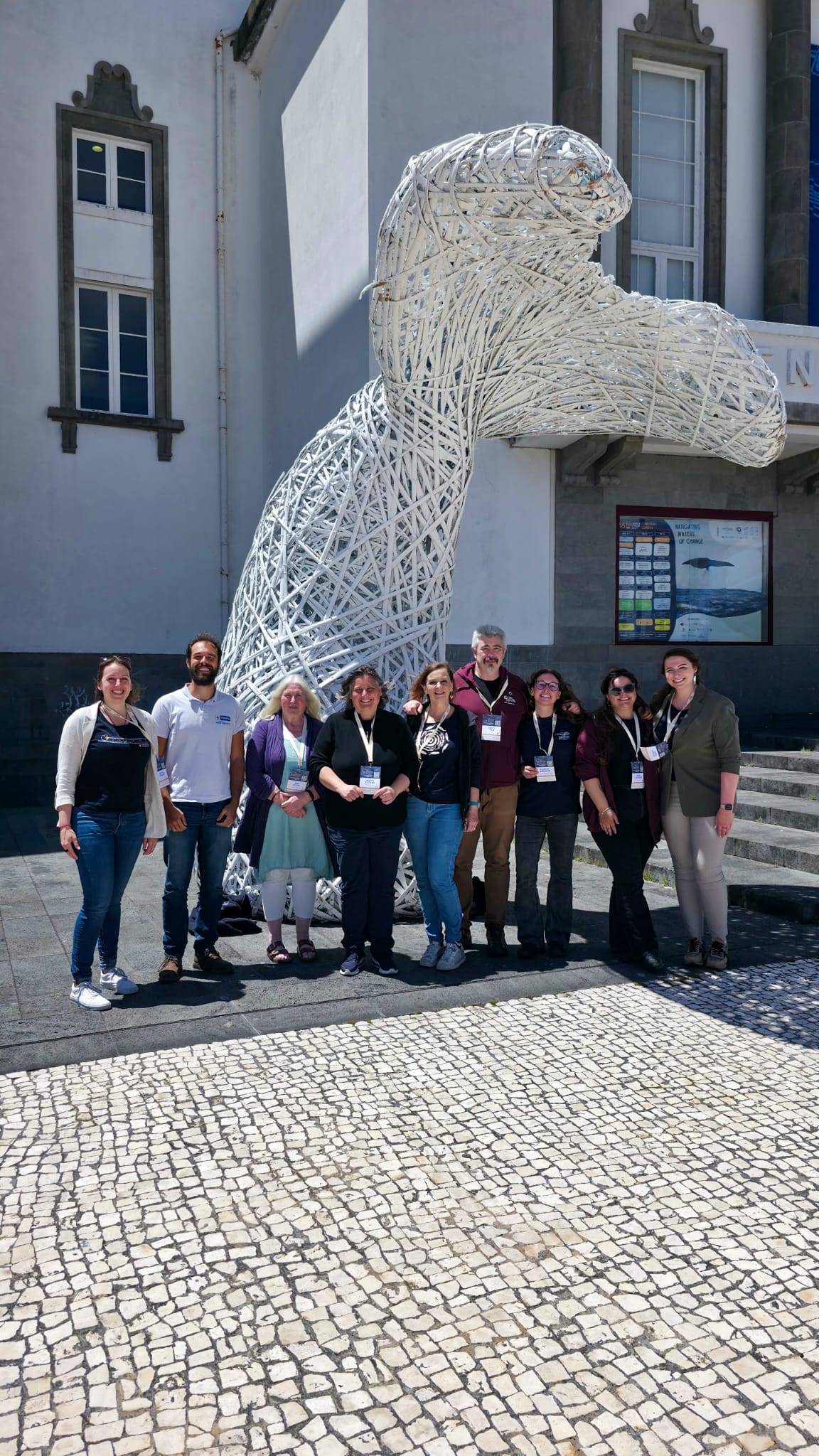
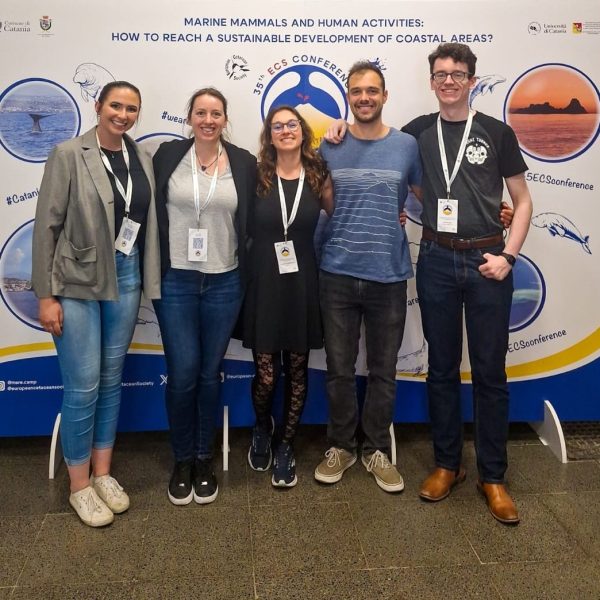
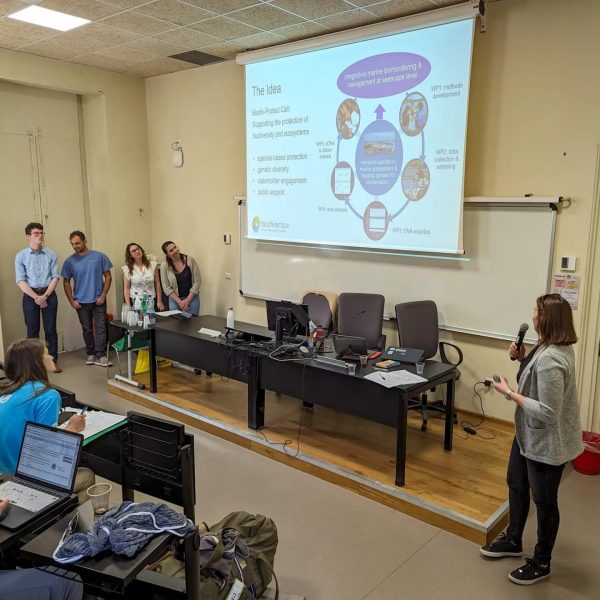
From 10 to 12 May 2024, the eWHALE team attended the 35th Annual European Cetacean Society (ECS) conference in Catania, Sicily, Italy. We showcased two talks and two posters, highlighting how environmental DNA (eDNA) collected from whale-watching platforms, paired with citizen science, can deliver scalable, high-resolution biodiversity monitoring across the North-East Atlantic and the Mediterranean.

eWHALE team
eWHALE team
eWHALE team
@Bettina talk
@Bettina talk
@Bettina talk


In the two days before the conference, part of the team joined an eDNA workshop led by Elena Valsecchi, Simon J. Goodman and Alessia Rota, presenting the project’s initial steps and goals.
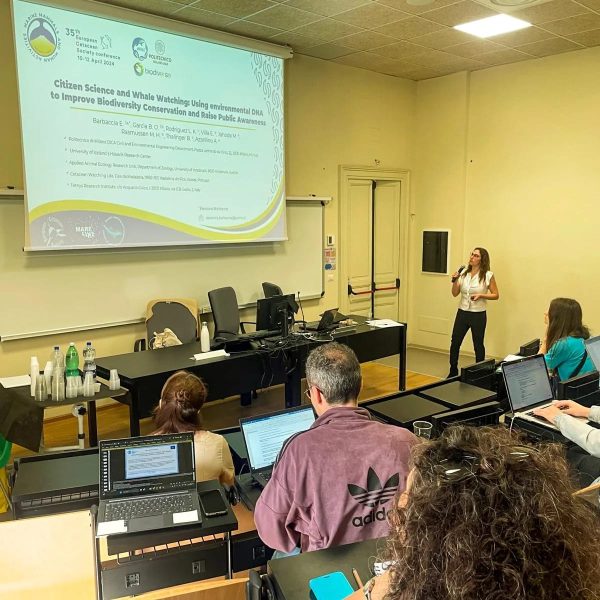
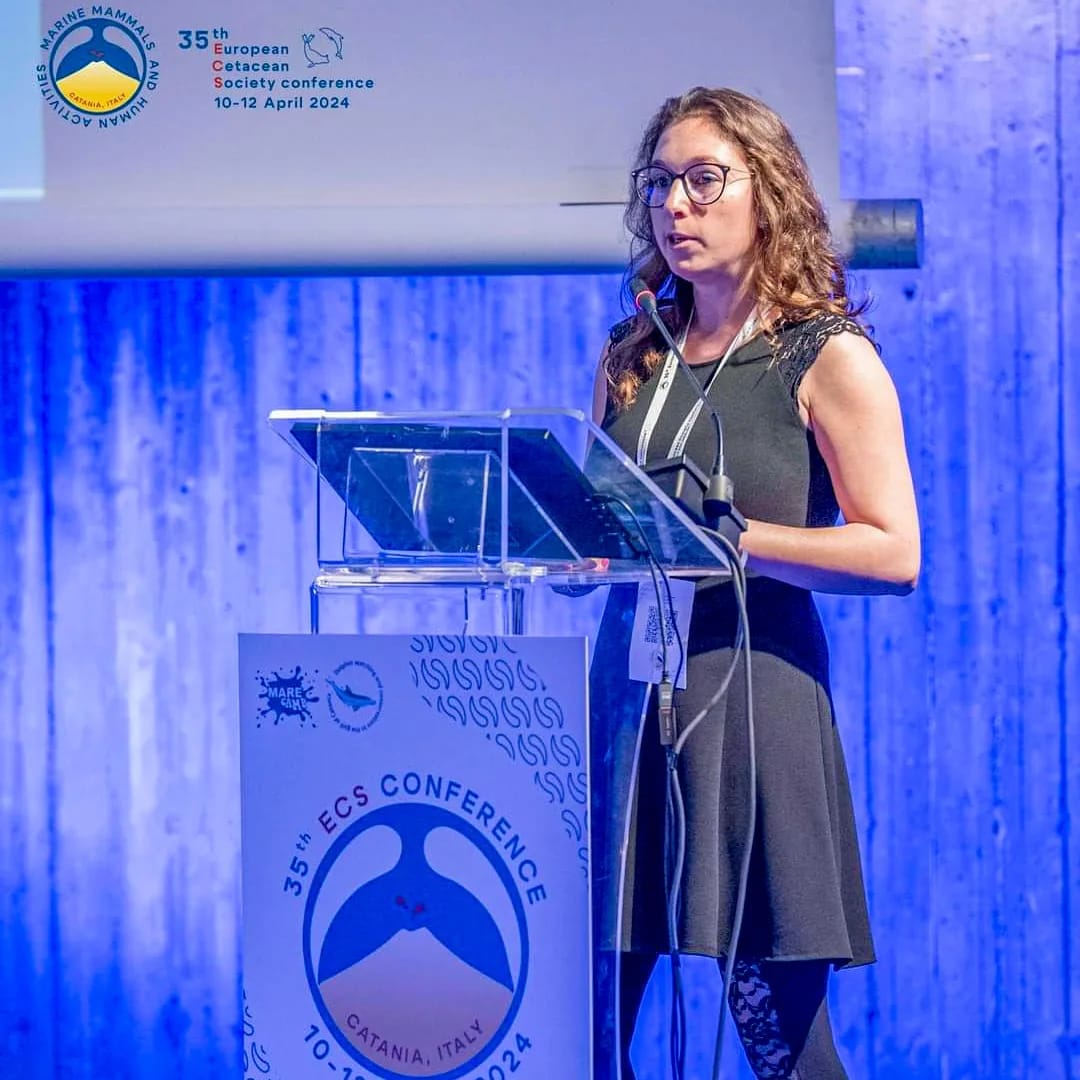
Eleonora Barbaccia, the PhD student at Politecnico di Milano (Italy), presented a talk entitled “Enhancing biodiversity conservation and public awareness through citizen science and whale watching with eDNA monitoring.

This presentation reported a before-and-after questionnaire study run aboard whale-watching platforms in Italy, Portugal and Iceland.

Multiple Correspondence Analysis explored links between participant traits and awareness, and a Wilcoxon paired test showed a highly significant increase in biodiversity and eDNA knowledge after the onboard activity (P < 0.01), evidencing the educational impact of citizen-science-driven eDNA sampling.


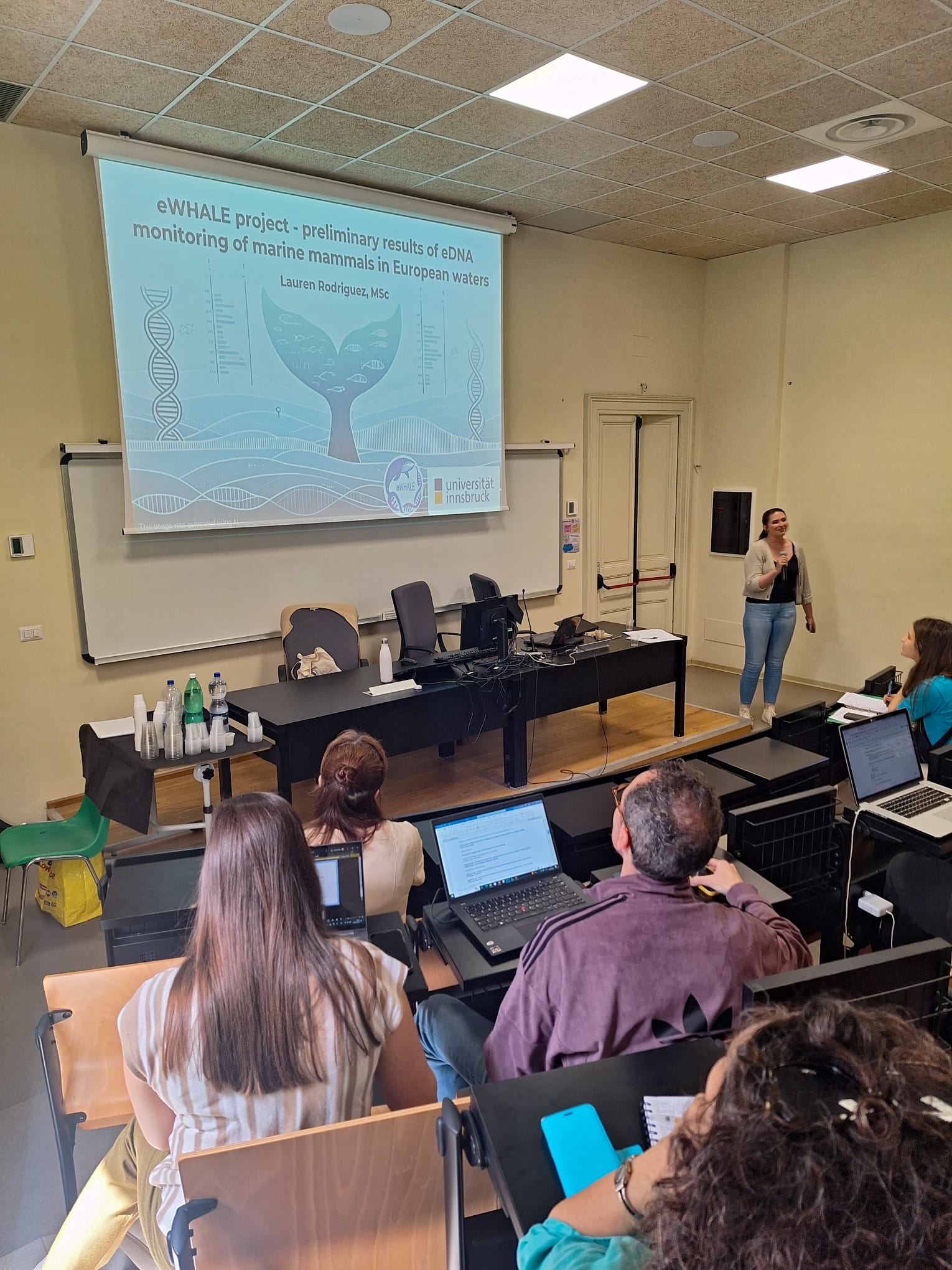
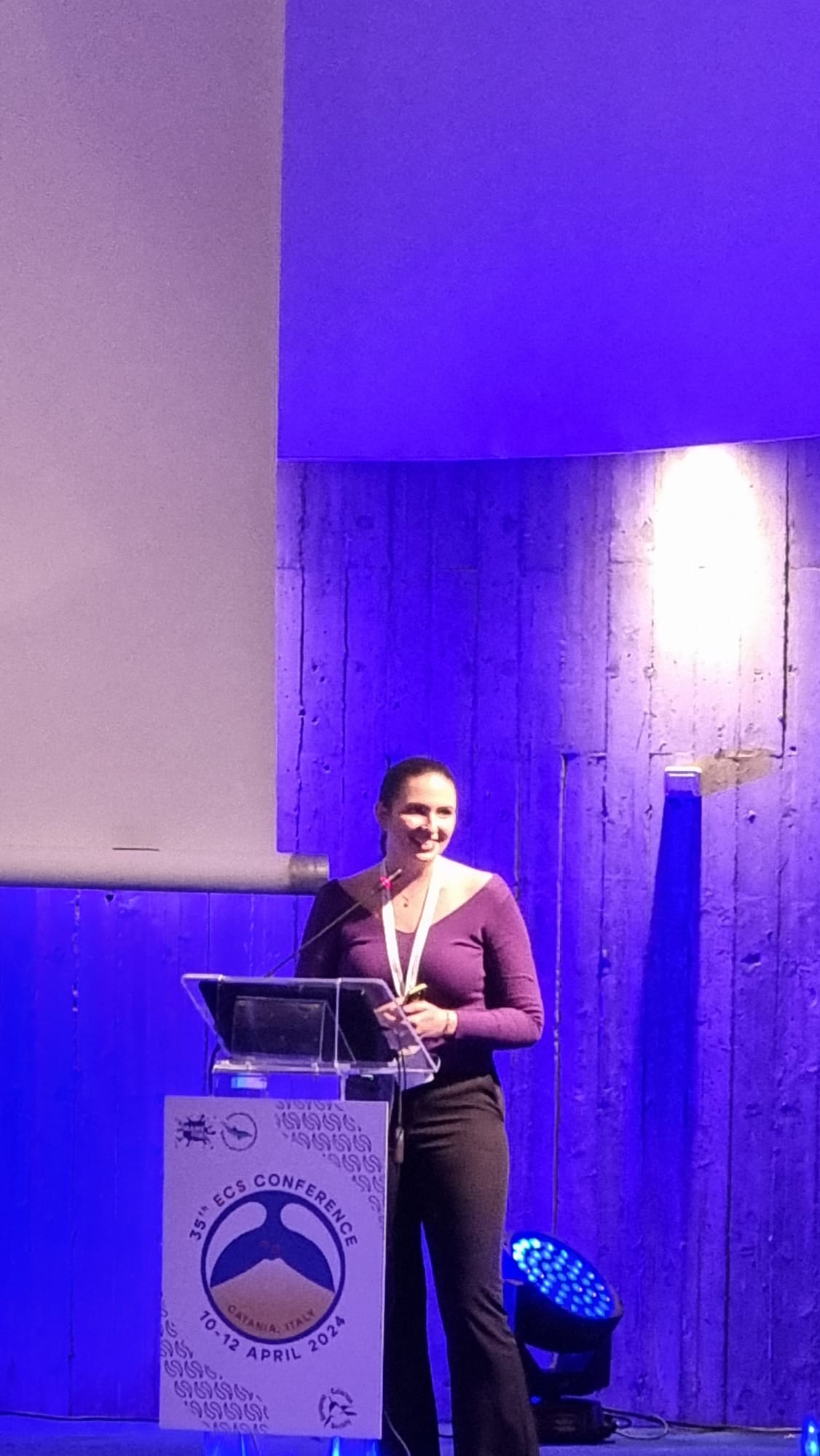
Lauren Rodriguez, the PhD student at University of Innsbruck (Austria), presented the talk “Optimizing environmental DNA field sampling and laboratory protocols across a multinational initiative to detect and quantify the presence of whales in the North-East Atlantic and Mediterranean Sea”.

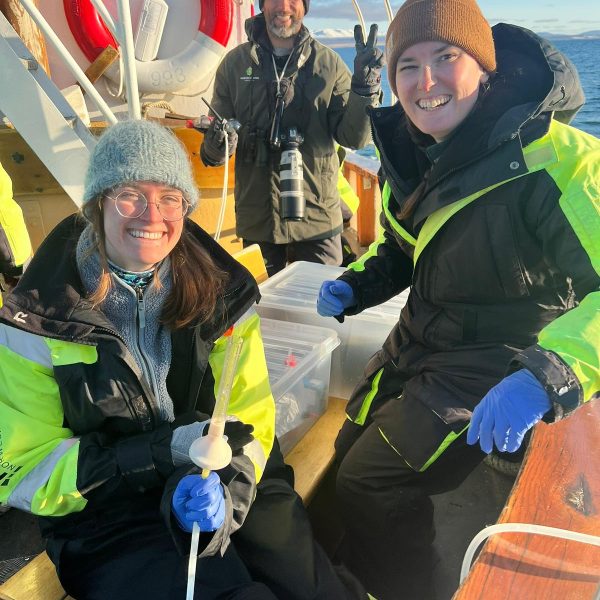
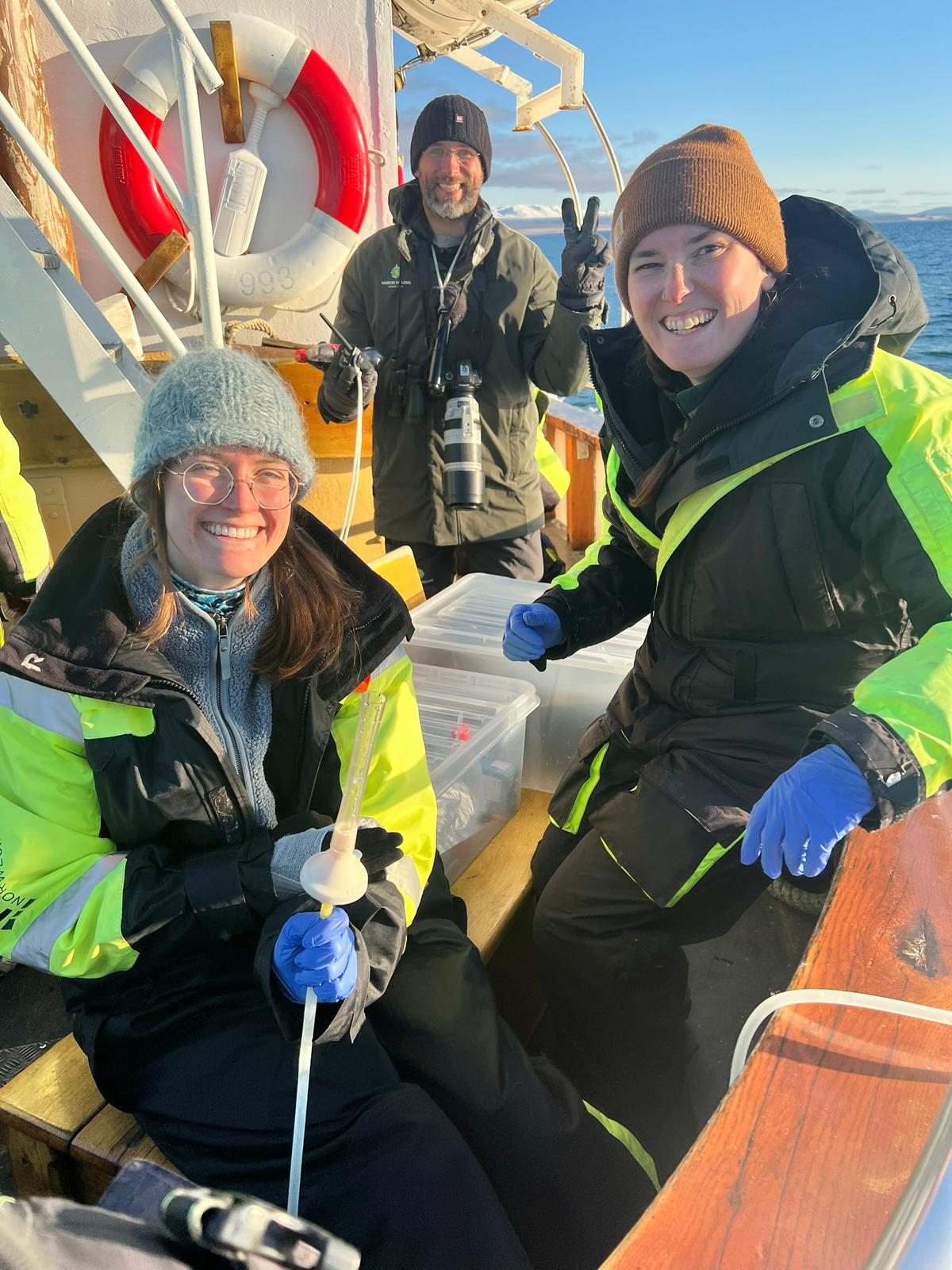
She outlined how the eWHALE consortium harmonised eDNA sampling approaches across multiple countries by systematically testing key field parameters in 2023, including sampling location (flukeprint vs breach site), timing after whale presence, filter type and filtered water volume. A ring test performed across four international laboratories confirmed the comparability and reliability of their extraction and qPCR workflows. Results showed that higher water volumes increased eDNA yield, that 1–5 minutes after a whale’s presence still allowed detection, and that both flukeprint and breach samples produced similar quantities of cetacean DNA.

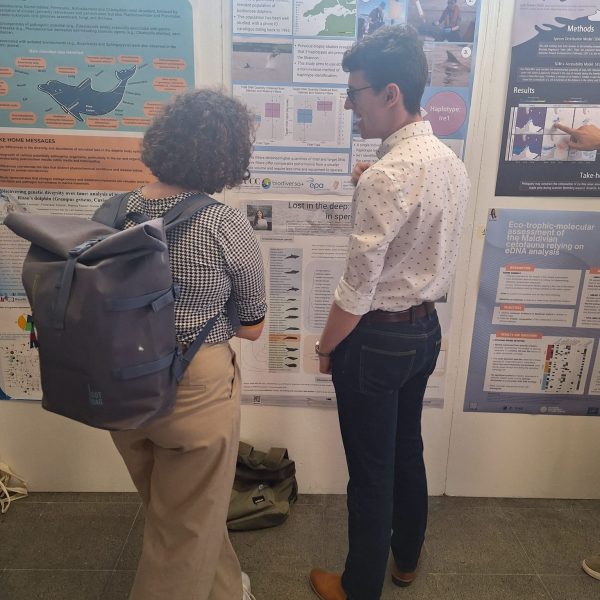
Lorenzo De Bonis, the PhD student at University College Cork (Ireland), presented a poster entitled: "eWHALE: Combining environmental DNA sampling, whale watching and citizen science for stakeholder-driven marine biodiversity protection in the North-East Atlantic and the Mediterranean".
He presented the consortium’s design and first multi-site results: 341 eDNA samples collected with four filter types (Waterra, Smith-Root, Sylphium, Sterivex) across the Azores, the Pelagos Sanctuary, Brittany, Skjálfandi Bay, Irish and Norwegian waters.

Target cetacean and shark DNA has already been detected, with paired biopsies planned to validate individual identification and population genetics.

Metabarcoding and qPCR are being used to profile putative prey, while onboard engagement embeds citizen science in routine tours, building a blueprint for international, participatory marine monitoring.

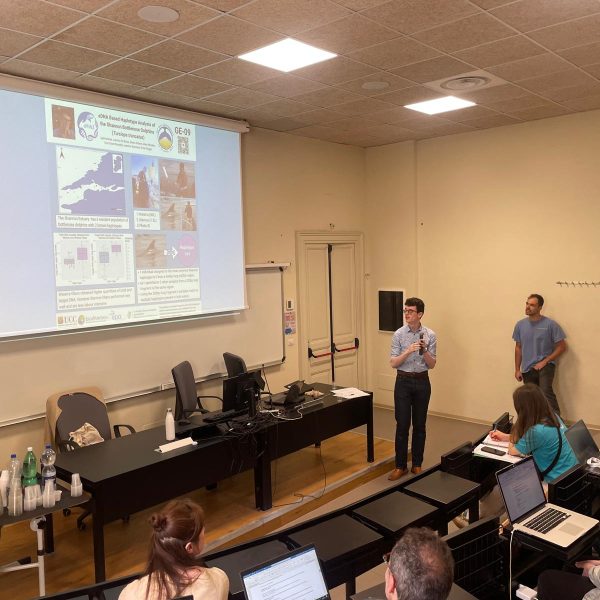
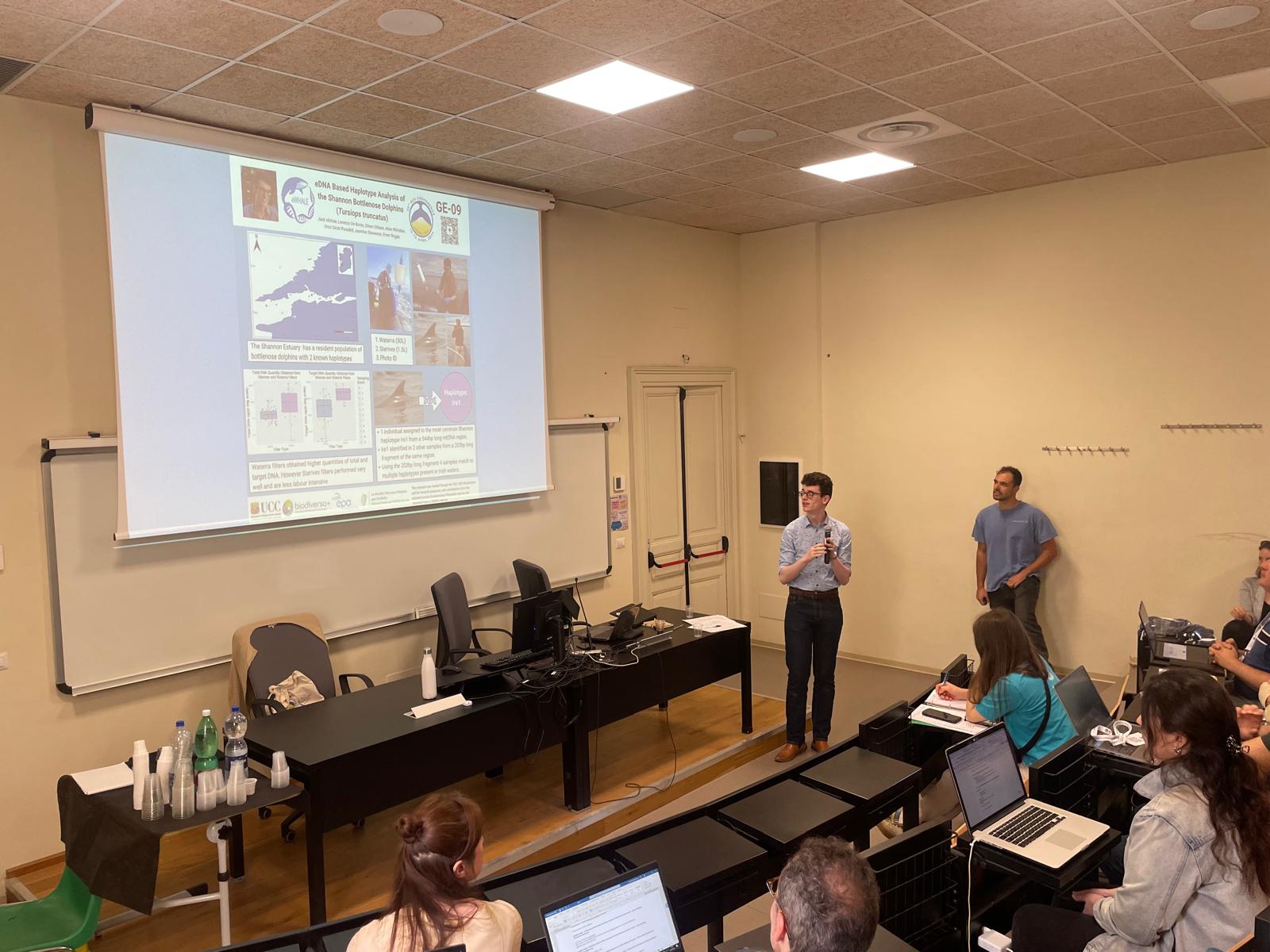
Jack McKee, the master’s student at University College Cork (Ireland), presented the poster eDNA-based haplotype analysis of the Shannon bottlenose dolphins (Tursiops truncatus).

Working in the Shannon Estuary SAC, he tested non-invasive eDNA approaches to characterise haplotype diversity in this resident population, comparing Waterra (50 L) and Sterivex (1.5 L) filters. Waterra yielded higher total and target DNA, while Sterivex achieved comparable results with lower sample volumes and simpler logistics.

Mitochondrial fragments (≈544 bp and 203 bp) confirmed the common Shannon haplotype Ire1 across multiple samples, demonstrating the feasibility of eDNA to support population-level genetics alongside photo-ID and biopsy programmes.

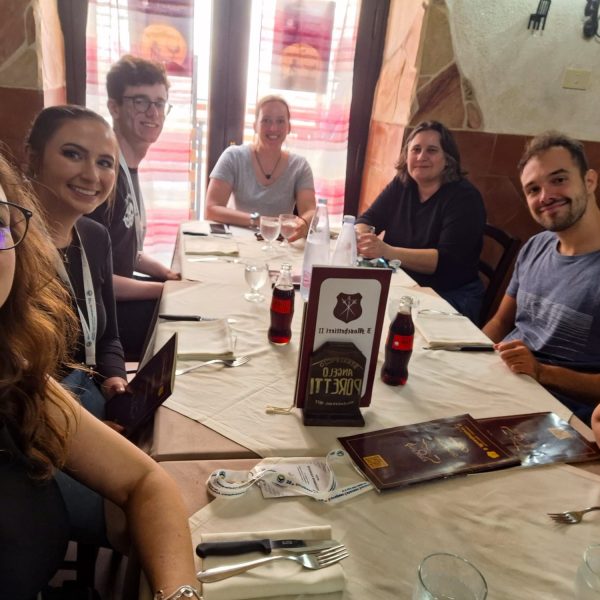
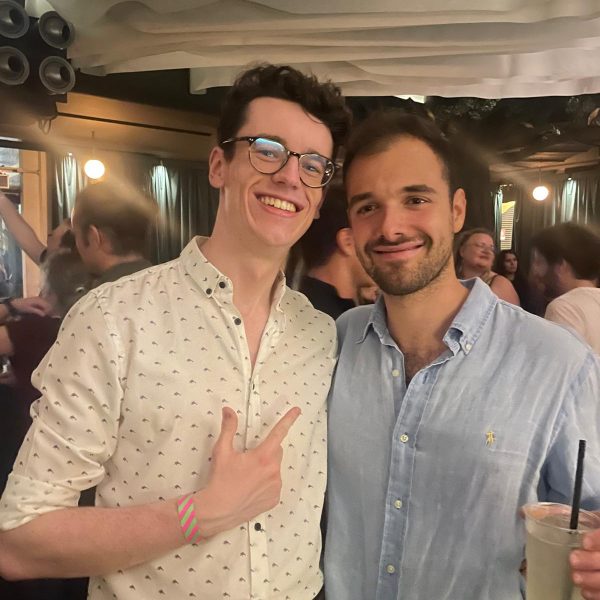
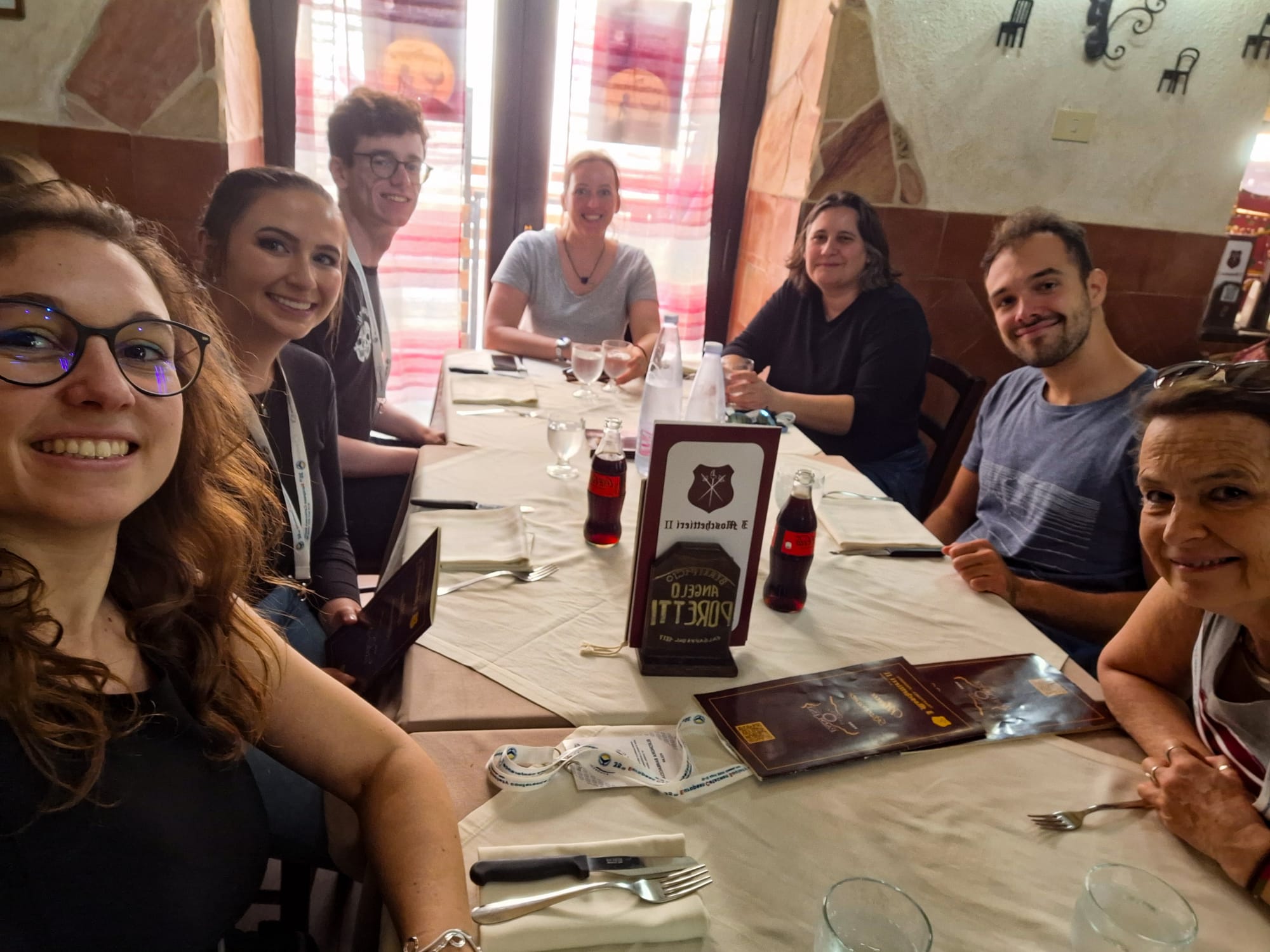
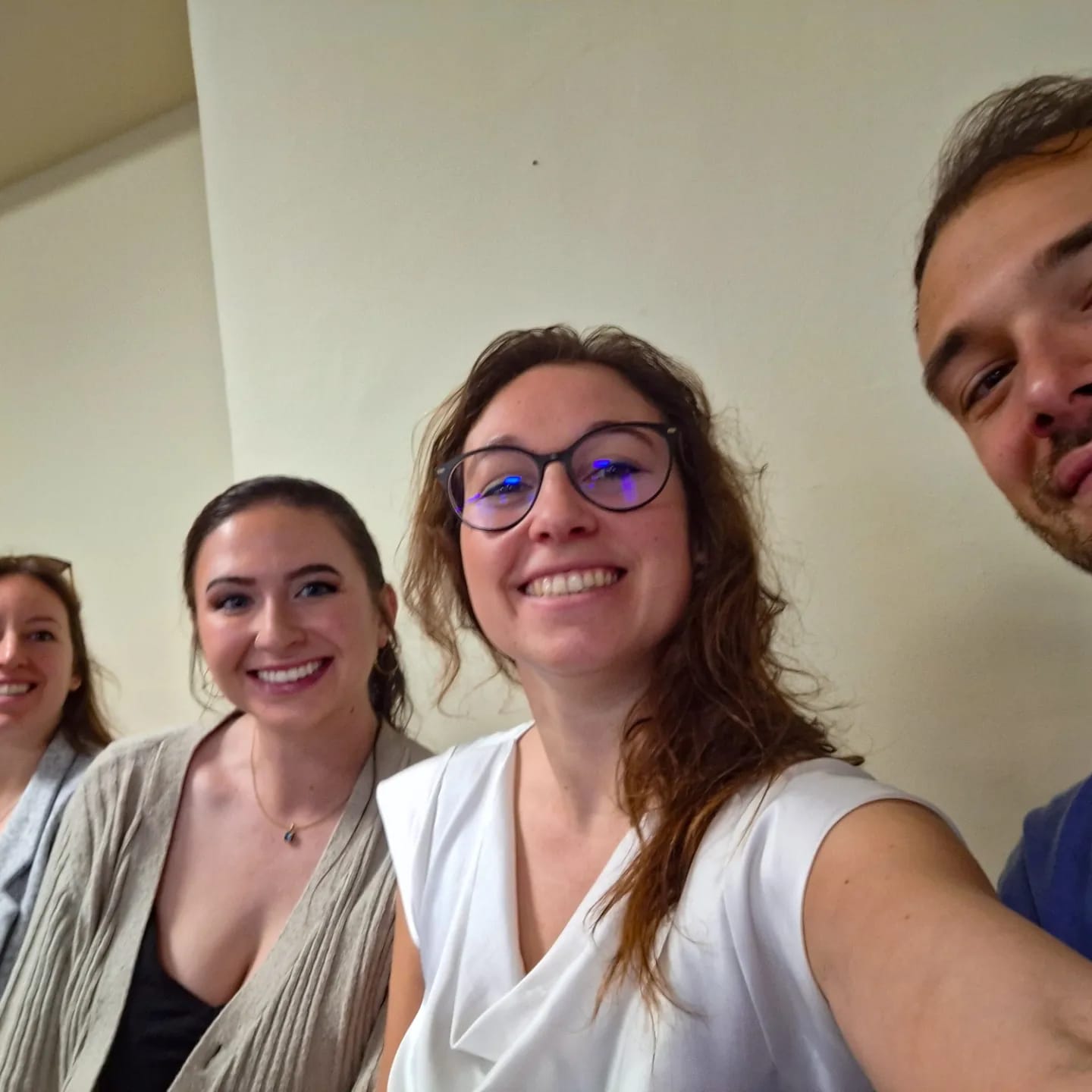
In the days before and after the conference, the eWHALE team explored Catania and savoured its superb Sicilian cuisine.

Fieldwork in Iceland 2025

Written by Belén García Ovide, PhD Candidate at the University of Iceland (2025)

Rationale

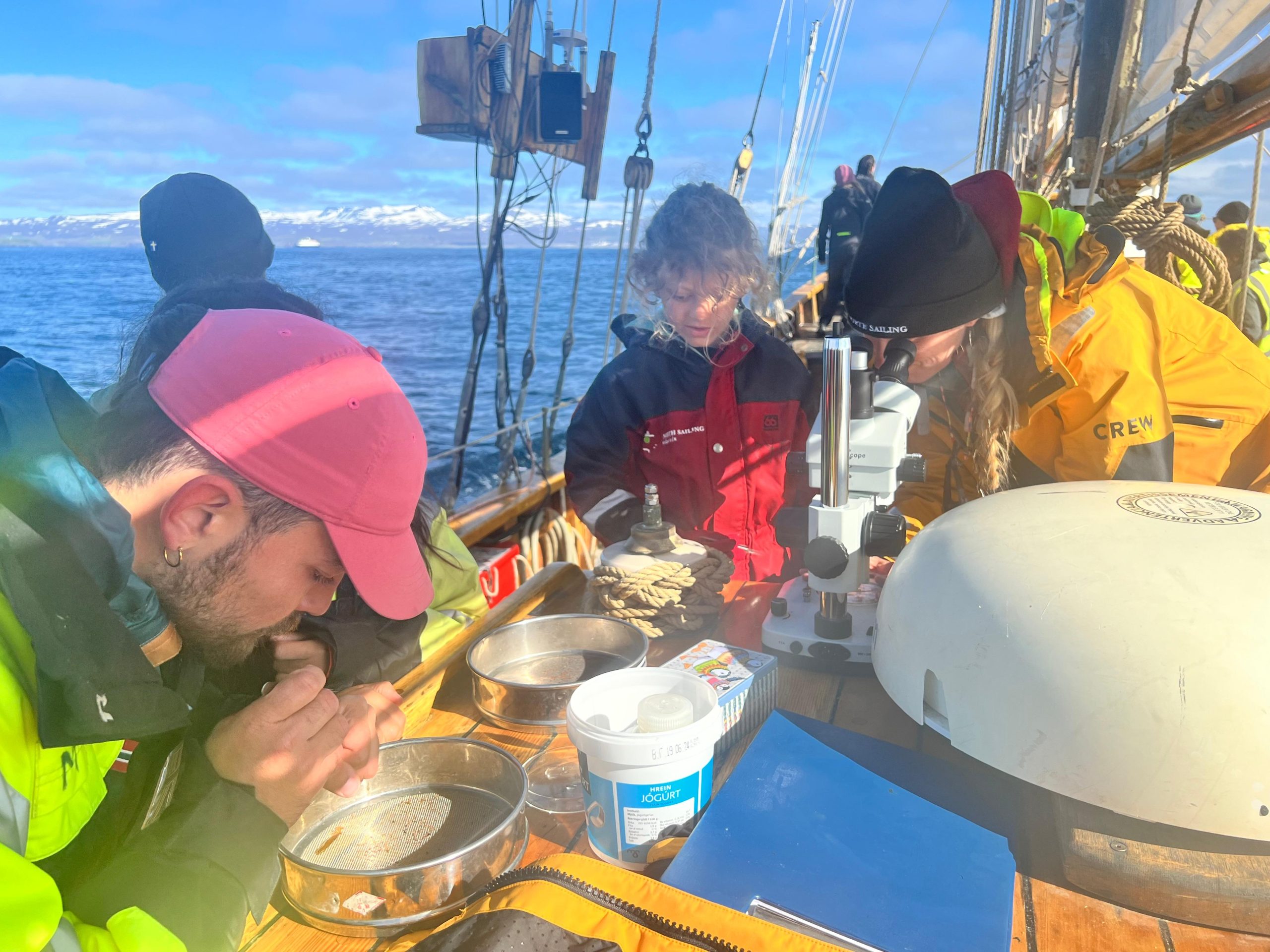
Although no sampling was initially planned for 2025, a small targeted campaign was carried out to investigate potential causes of the low detection rates observed in 2024, with a specific focus on ruling out shipping-related degradation as a contributing factor.

Sampling effort

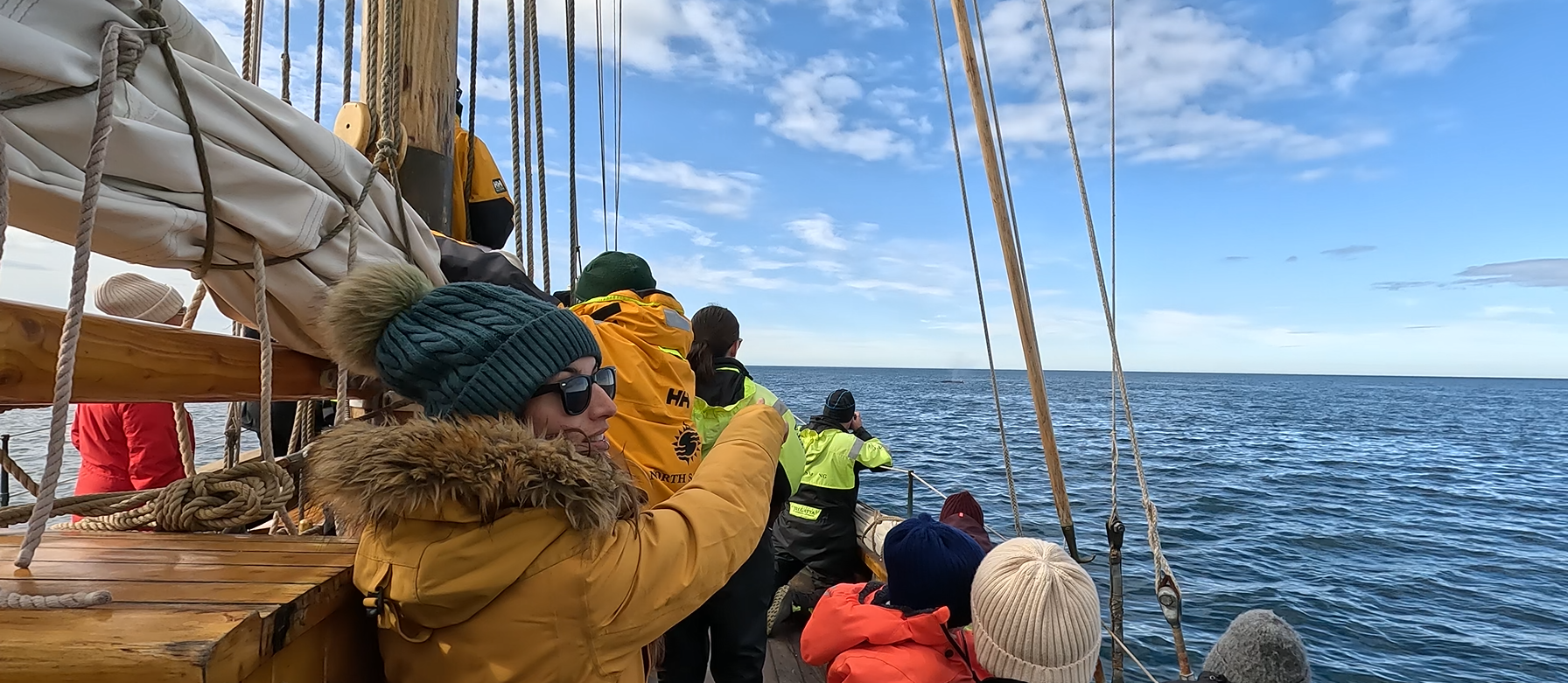
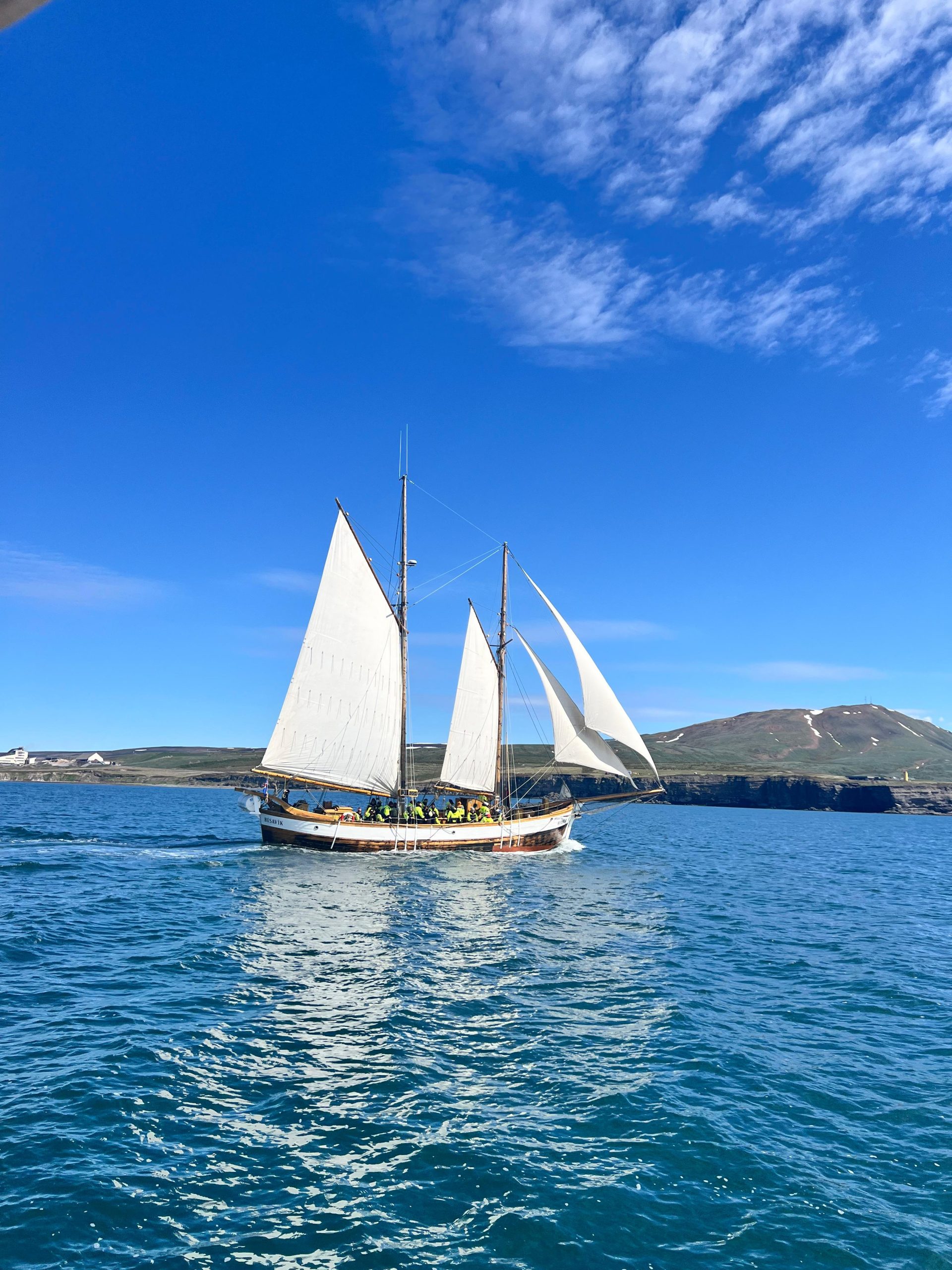
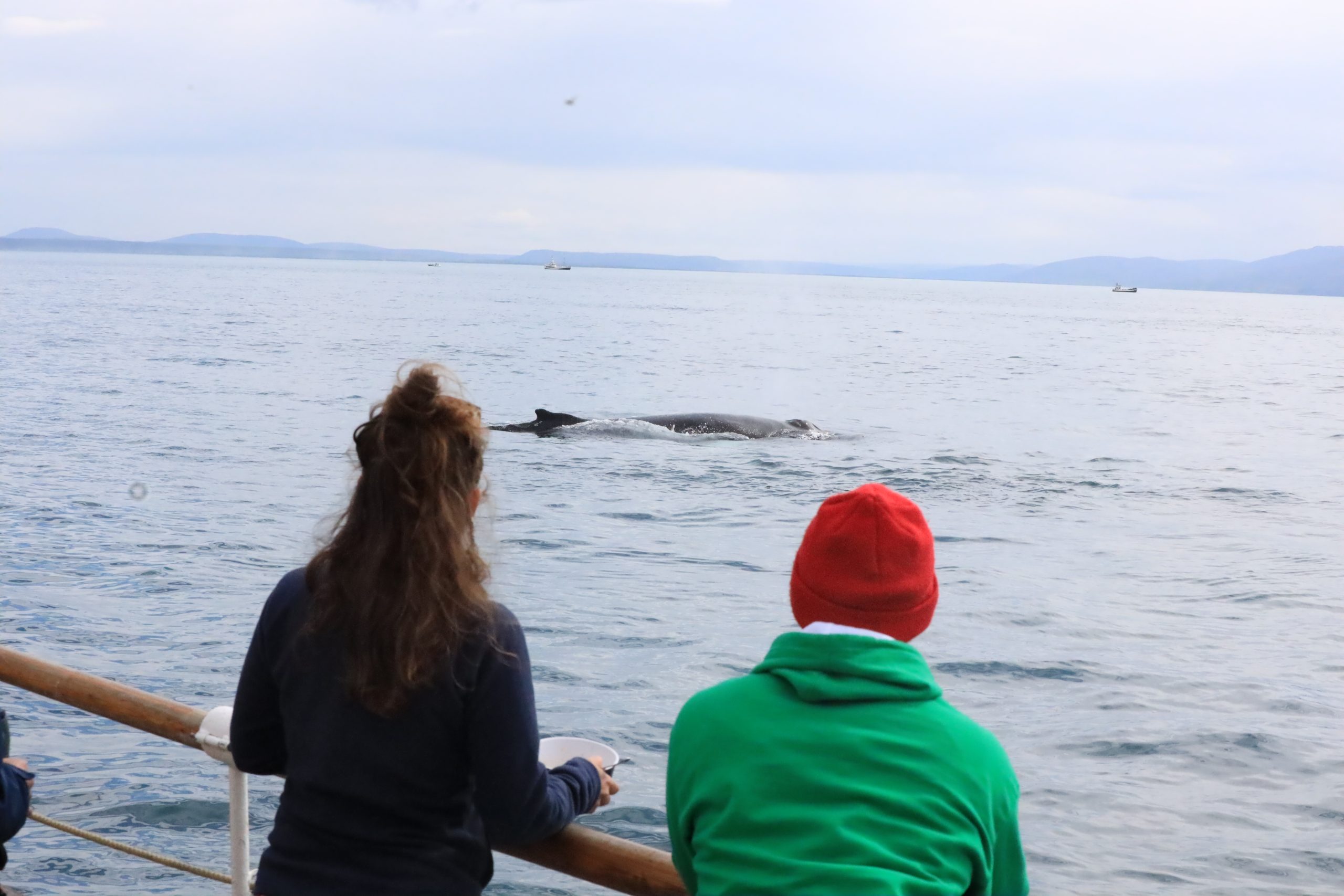
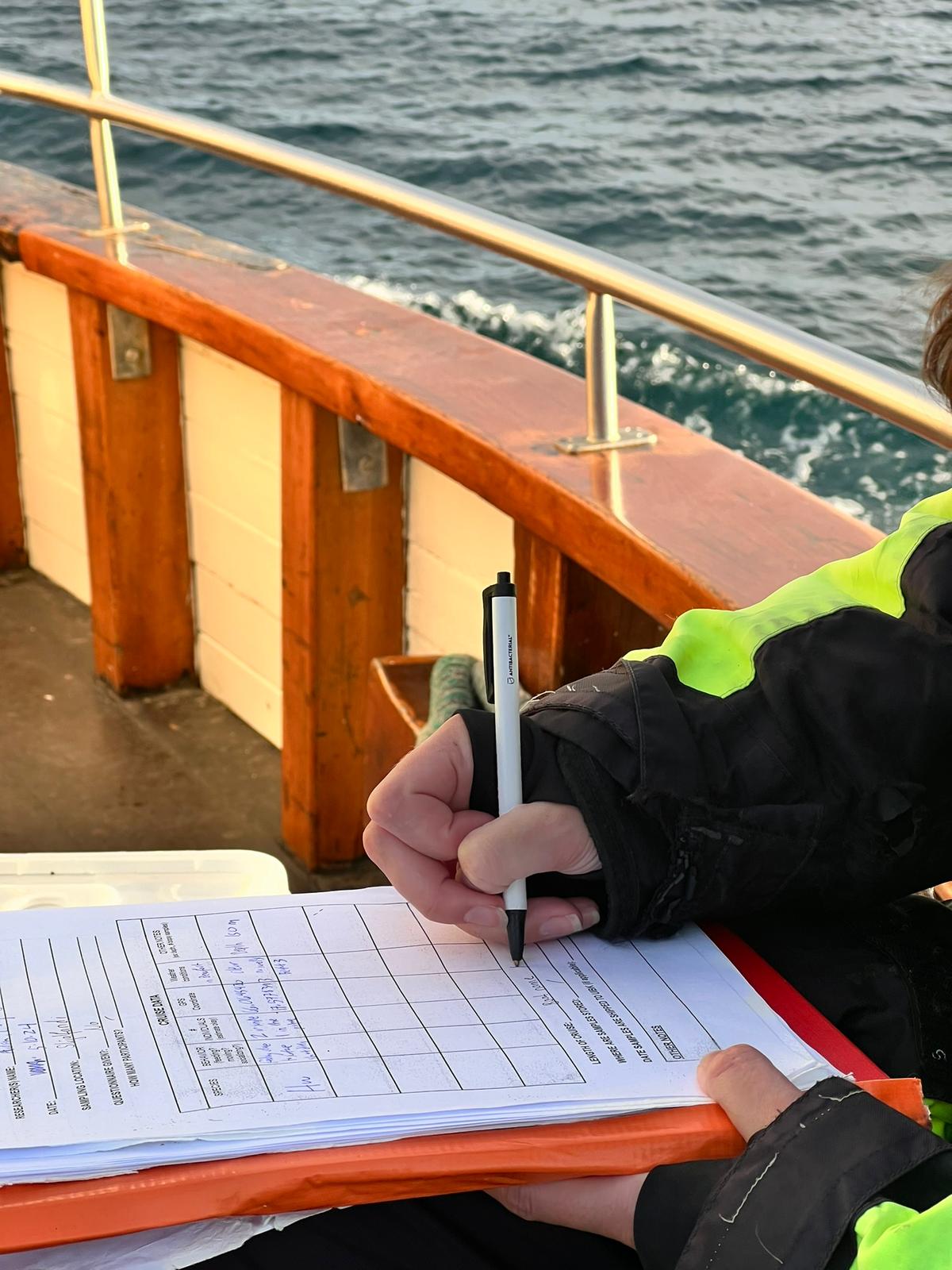
20 samples were collected from humpback whale flukeprints during August and September using Smith-Root filters.

Filtration and replication

For each sample, two replicates were taken, filtering 10 L of seawater per replicate.


Results

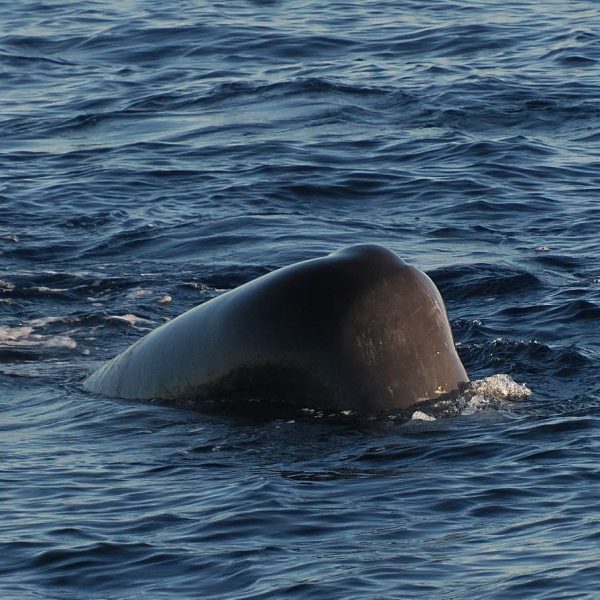
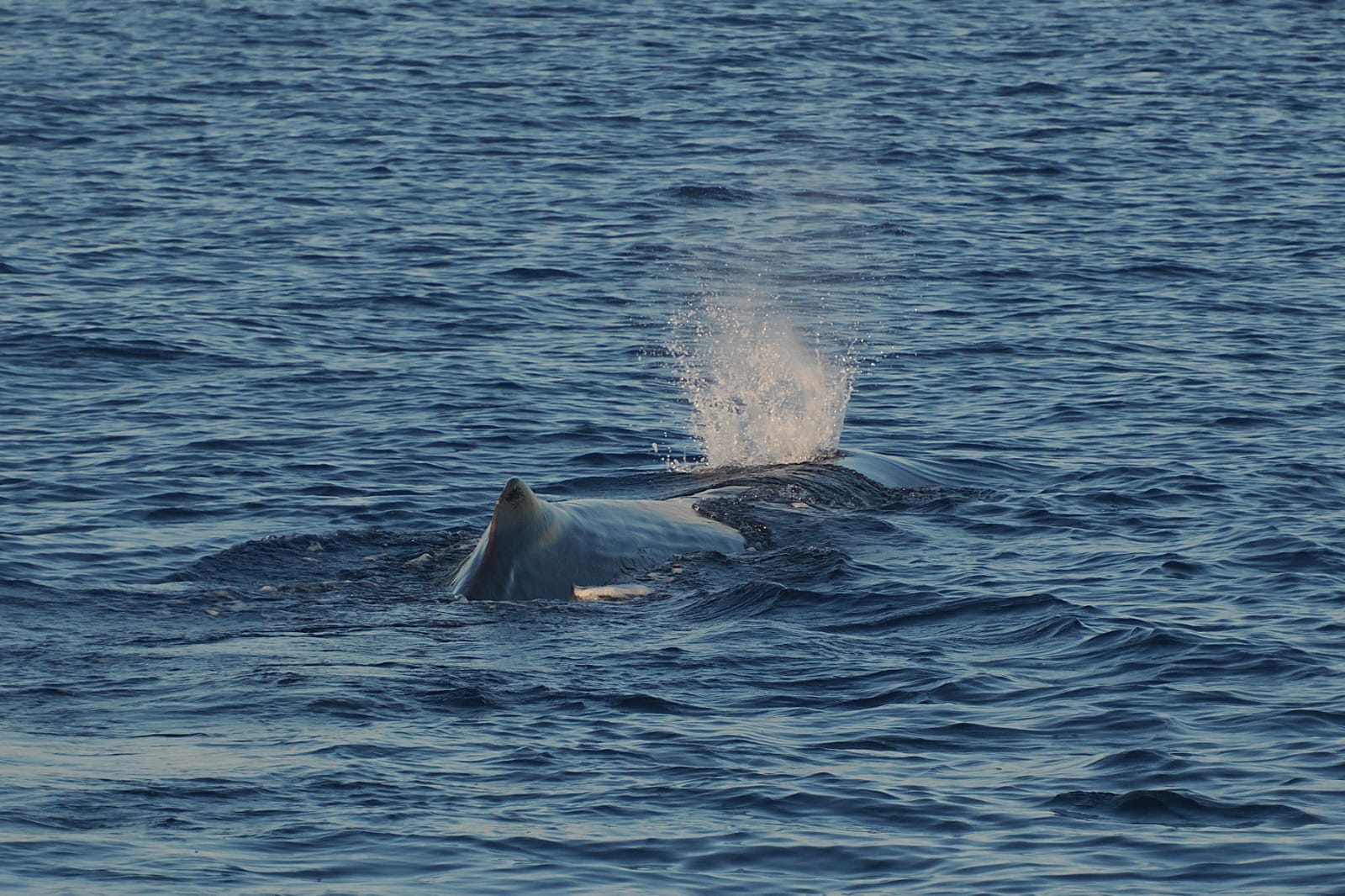
By the end of the four-day cruise (5–9 August 2025), a total of 26 filters (17 Sylphium and 9 Waterra) had been collected from 8 fin whales (Balaenoptera physalus) and 1 sperm whale (Physeter macrocephalus).

@Eleonora Barbaccia
@Eleonora Barbaccia
@Eleonora Barbaccia
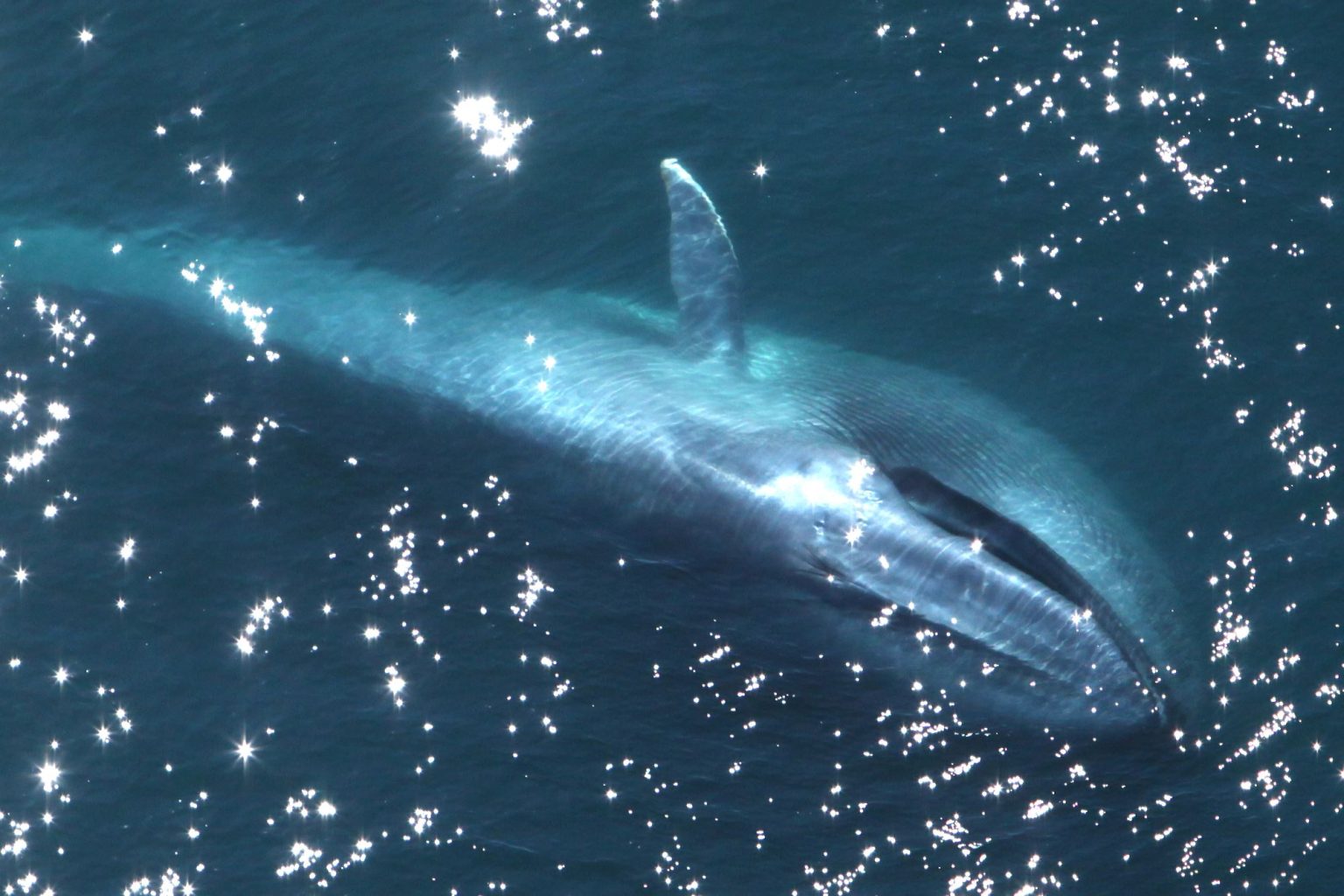
Blue whale (Balaenoptera musculus)

In memoriam of Lorenzo De Bonis

We are deeply saddened by the loss of our colleague and friend, Lorenzo De Bonis.

As a devoted PhD researcher, he brought passion, kindness, and dedication to marine conservation, leaving a lasting impact on everyone who worked with him and on the ocean he cared so deeply for.

Our thoughts are with his family, friends, and colleagues. To support his loved ones: https://www.gofundme.com/f/lorenzo-lolo-de-bonis

36th European Cetacean Society (May 2025)
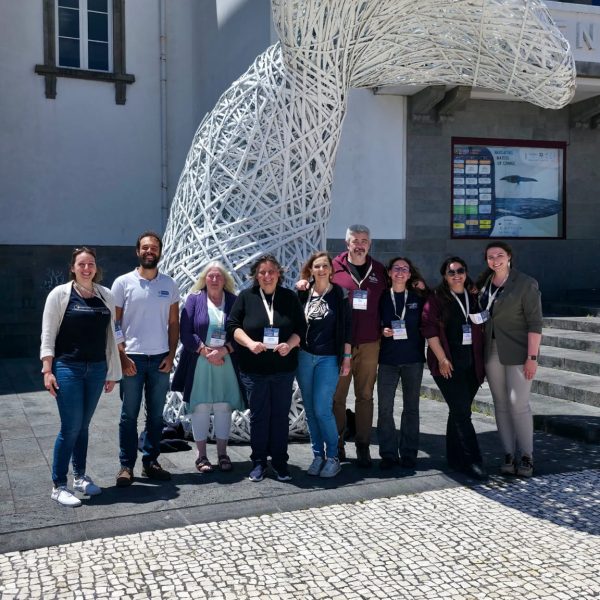
Team eWHALE at the conference
36th European Cetacean Society (May 2025)
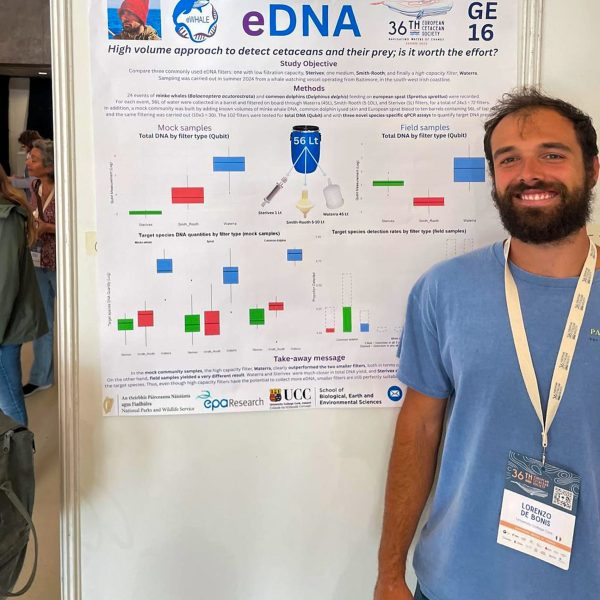
Poster session at the 36th European Cetacean Society 2025
@Lorenzo De Bonis
Poster session at the 36th European Cetacean Society 2025
Poster session at the 35th European Cetacean Society 2024
@Lorenzo De Bonis
Poster session at the 35th European Cetacean Society 2024
eDNA workshop at the 36th ECS
@Lorenzo De Bonis
eDNA workshop at the 36th ECS
@Lorenzo De Bonis
eDNA workshop at the 36th ECS
@Lorenzo De Bonis
eDNA workshop at the 36th ECS
35th European Cetacean Society (April 2024)
@Lorenzo De Bonis
35th European Cetacean Society (April 2024)
Lunch in Catania at the 35th ECS 2024
@Lorenzo De Bonis
Lunch in Catania at the 35th ECS 2024
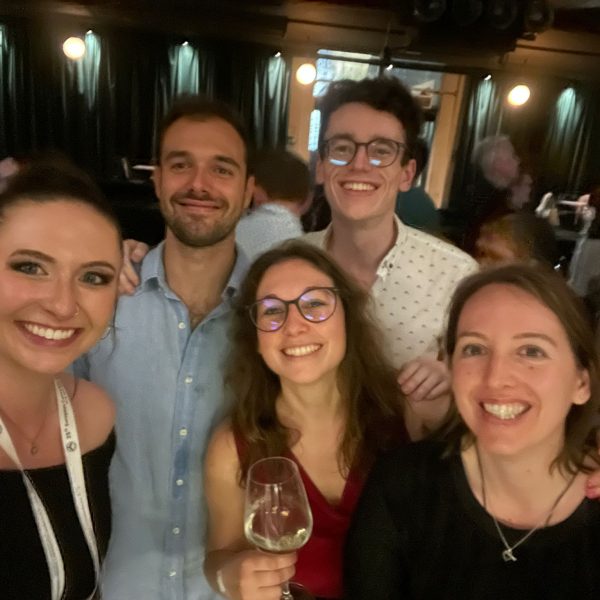
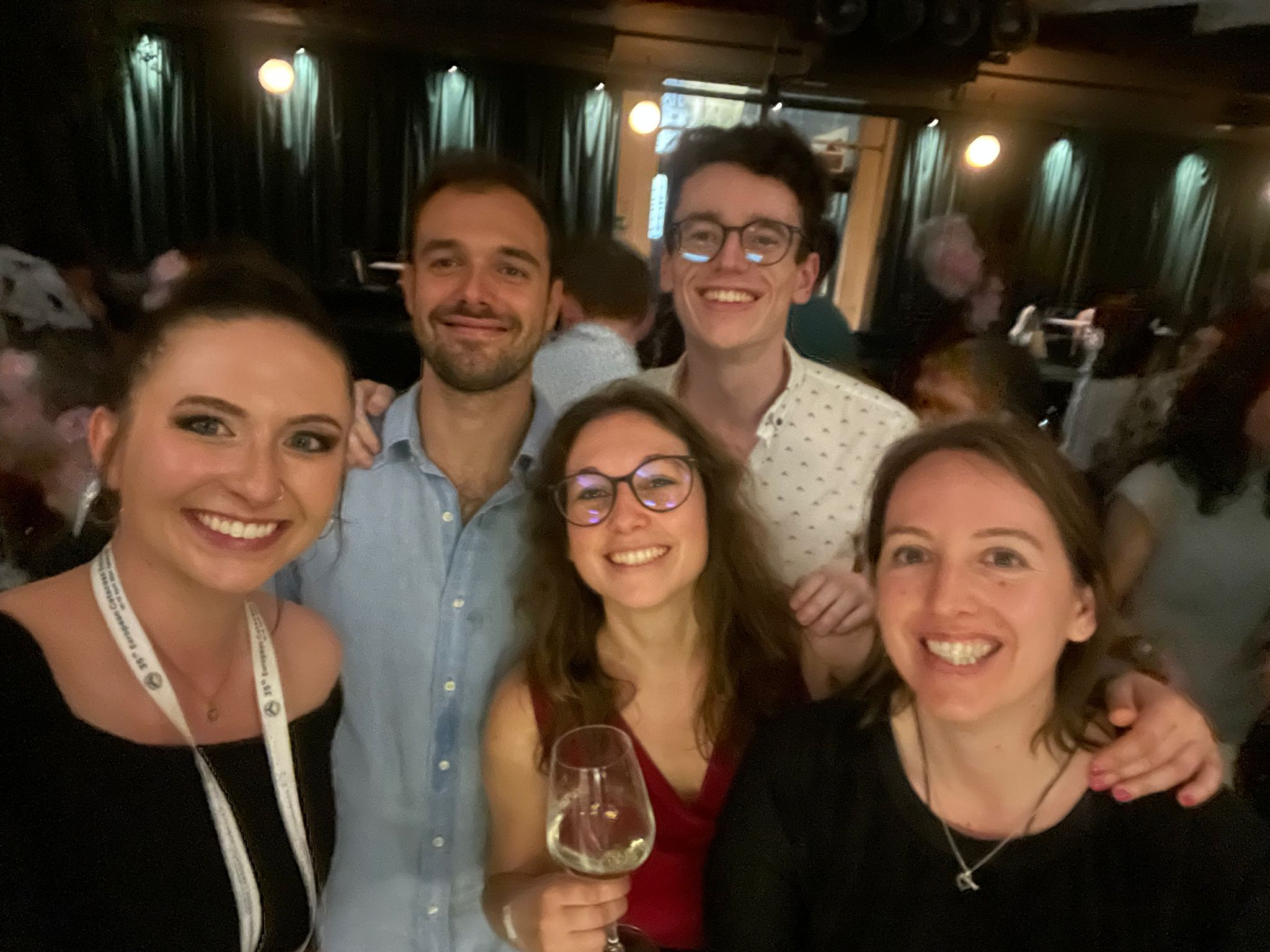
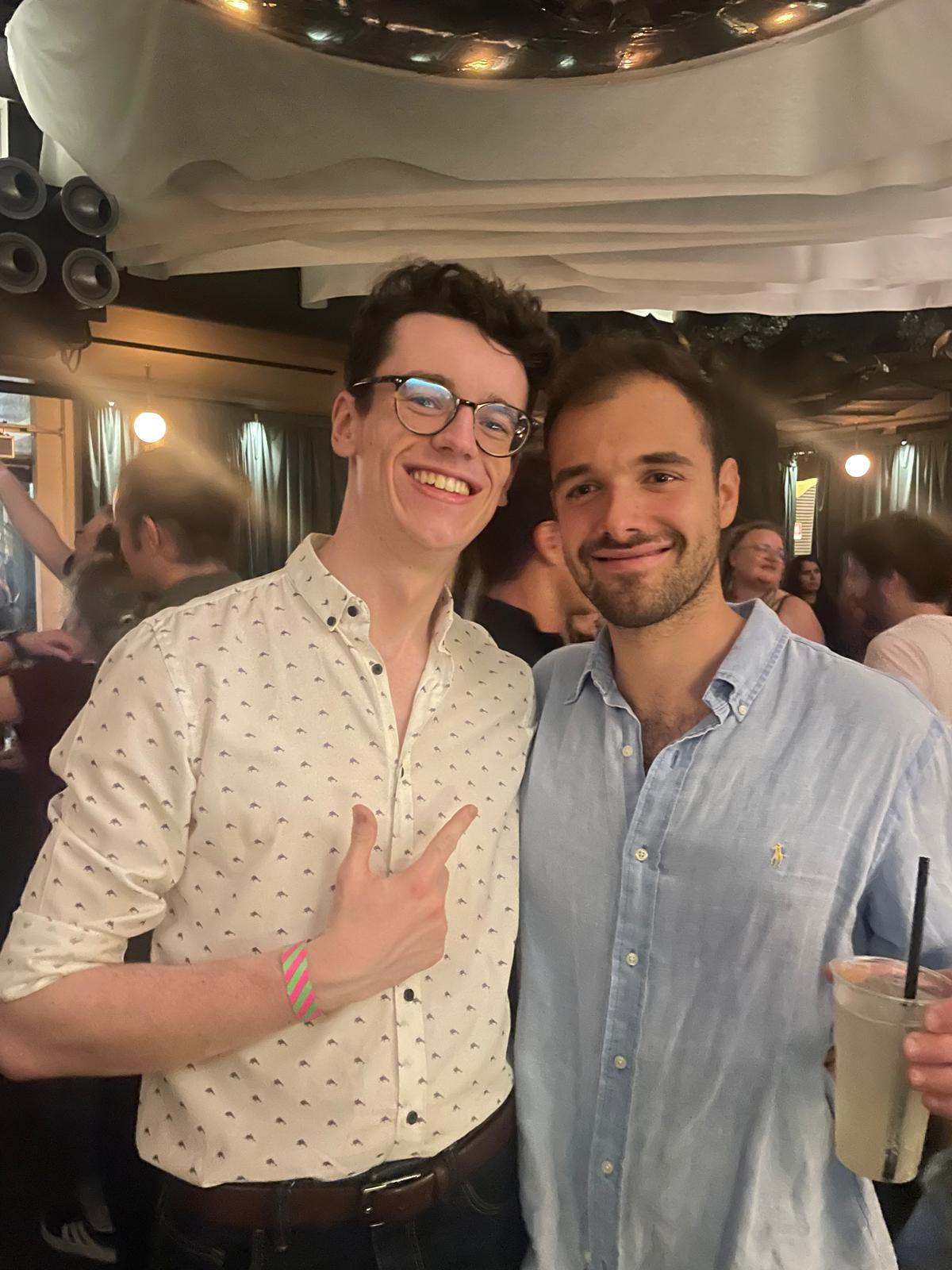
Student party 35th ECS 2024
@Lorenzo De Bonis
Student party 35th ECS 2024
35th European Cetacean Society (April 2024)
@Lorenzo De Bonis
35th European Cetacean Society (April 2024)
@Lorenzo De Bonis
35th European Cetacean Society (April 2024)

Fieldwork in the Med Sea 2025

Written by Eleonora Barbaccia, PhD Student at Politecnico di Milano

Which species were you targeting and why?

For the final eWHALE sampling campaign, the target species was the fin whale (Balaenoptera physalus), with the specific aim of investigating its population genetic structure in the Mediterranean Sea.

How many litres of water did you collect and which eDNA filters were used?

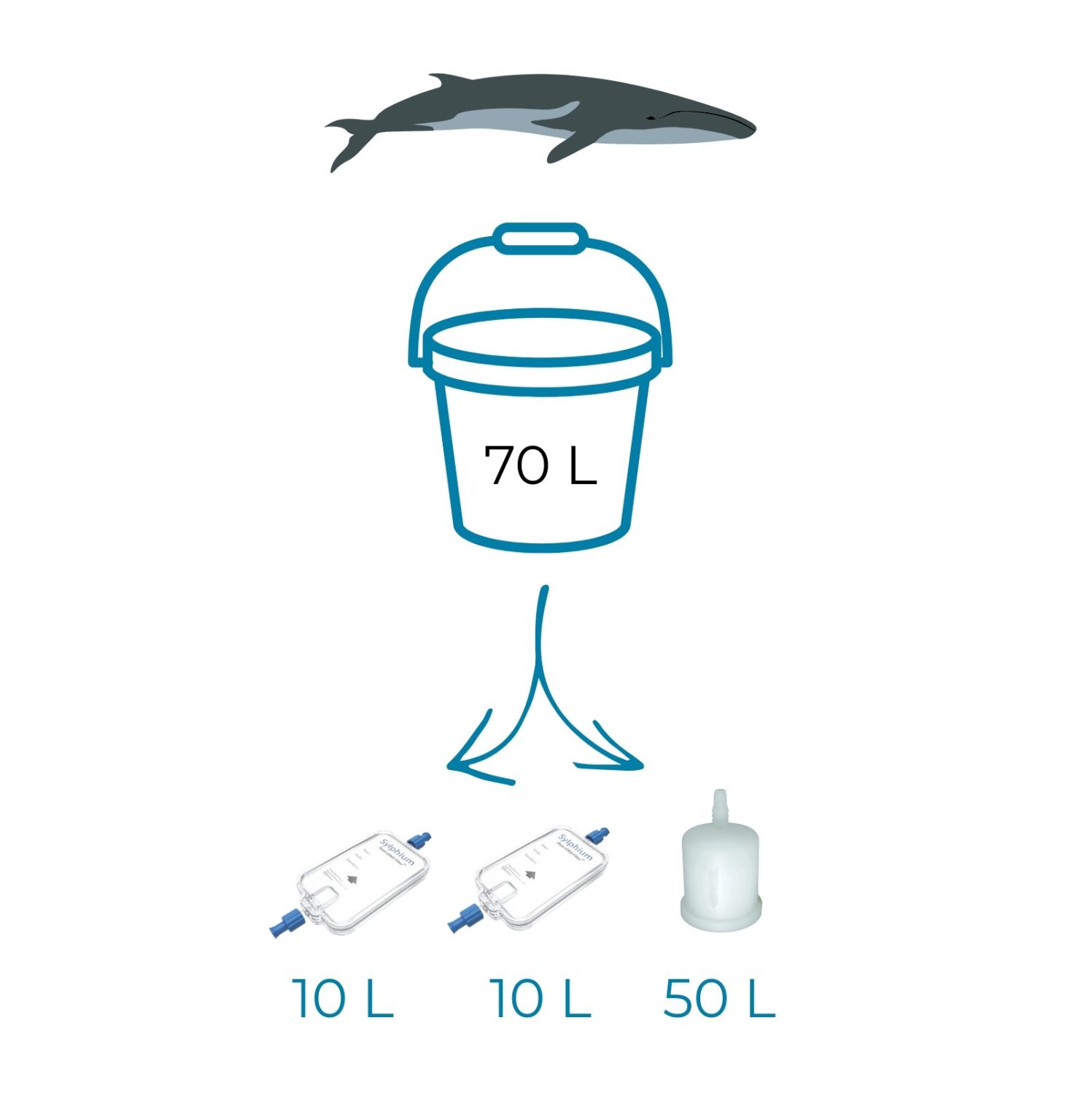
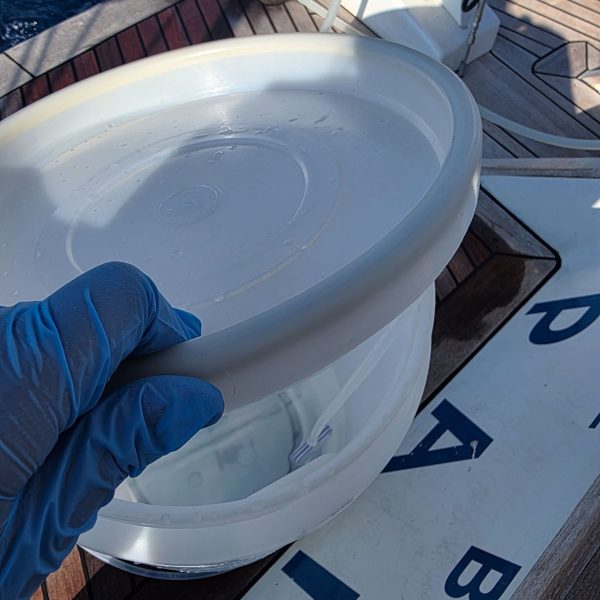
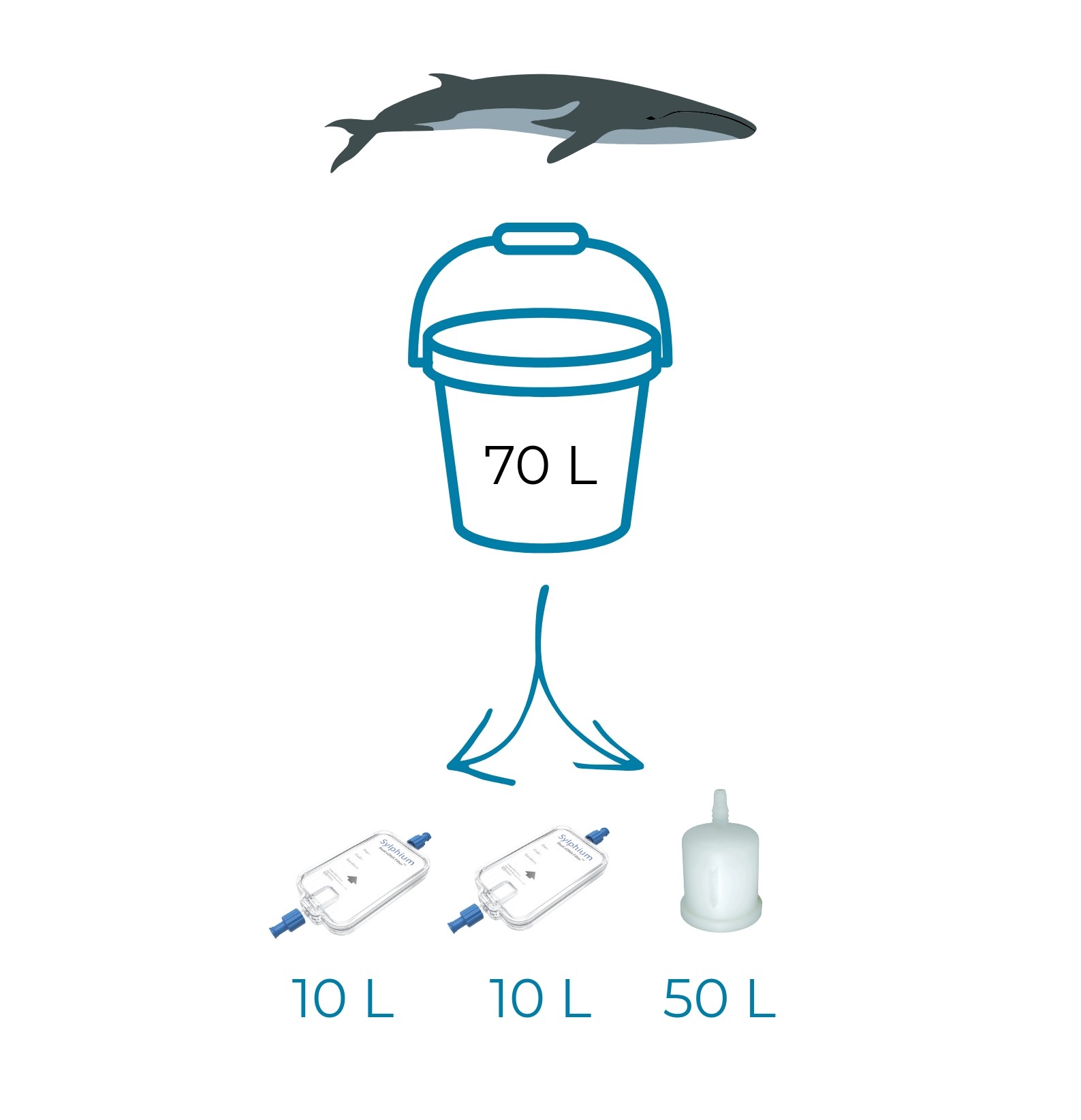
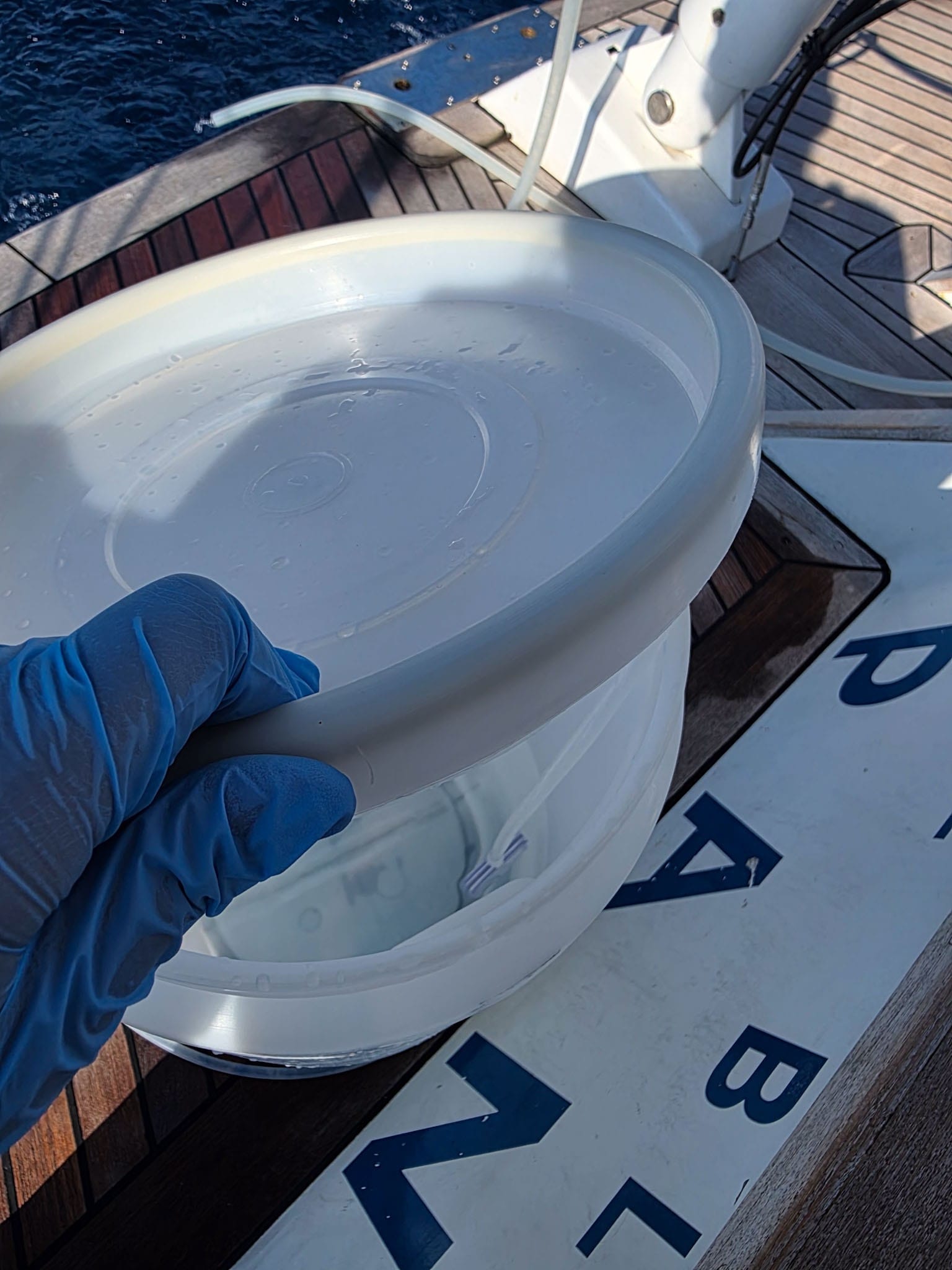
For each encounter, we collected 70 L of seawater using two 30 L buckets, of which 20 L were subsequently filtered with Sylphium (0.8 µm) filters (2 x 10 L) and the remaining 50 L with Waterra (0.45 µm) filters.

Where did you go sampling?

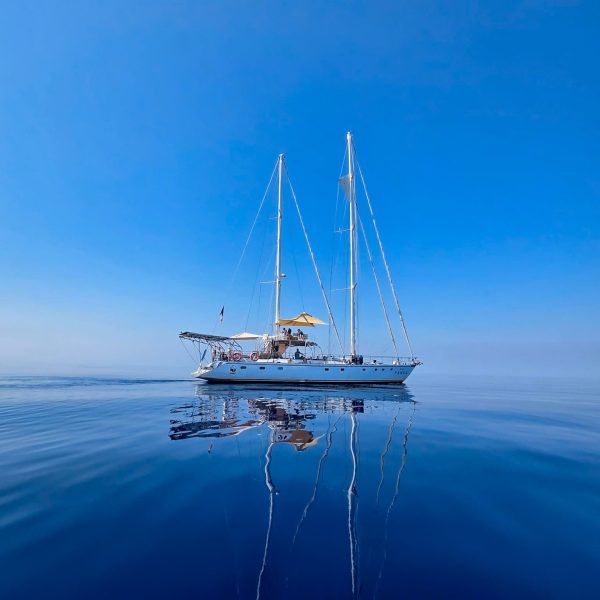
The 2025 sampling campaign was carried out in the Ligurian Sea off Toulon (France), with samples collected mainly in August on board the Blue Panda, the research vessel of WWF France.


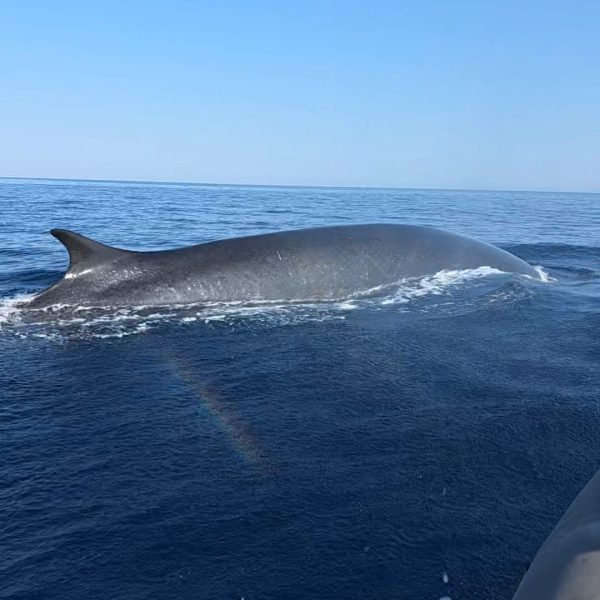
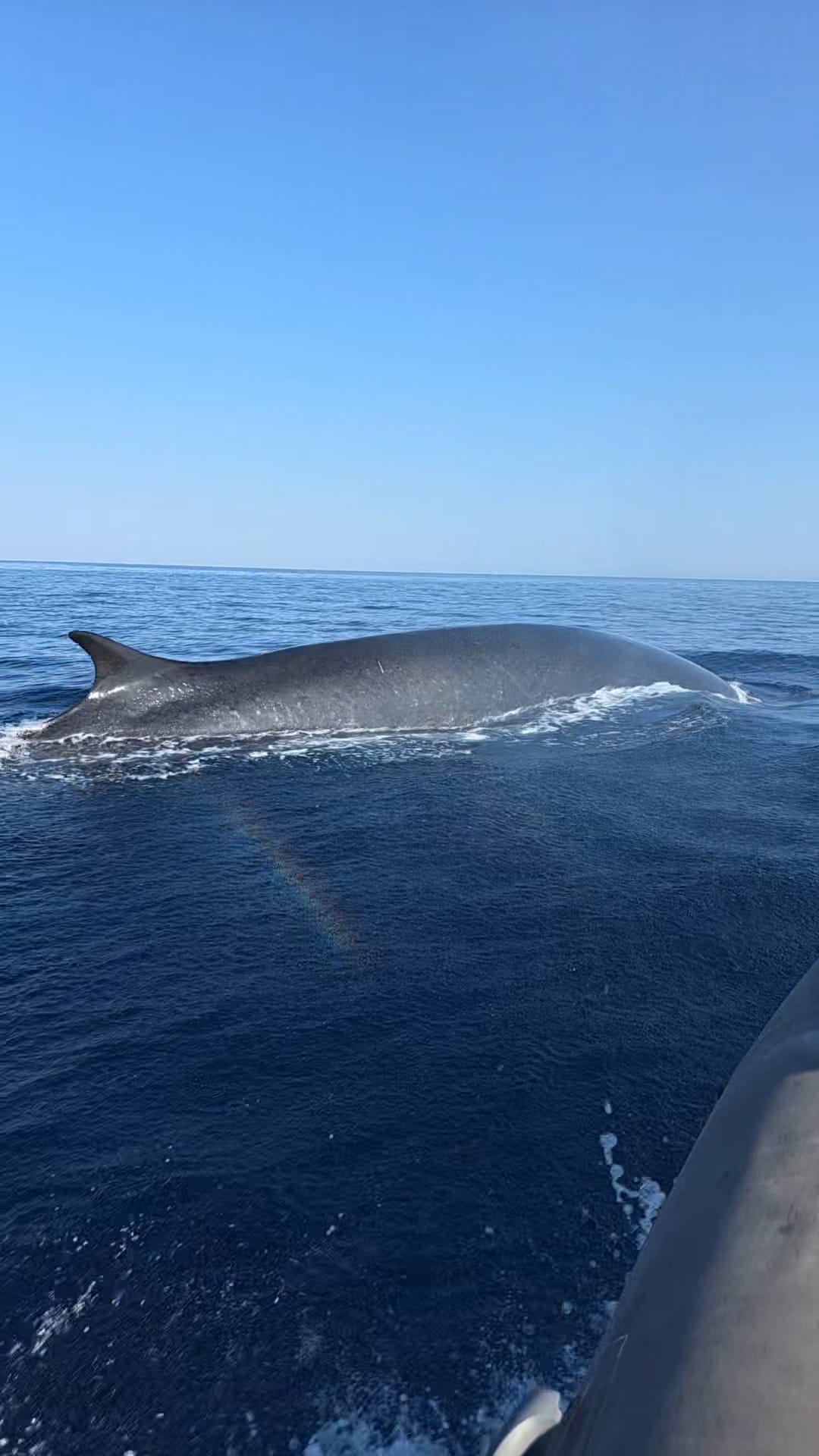
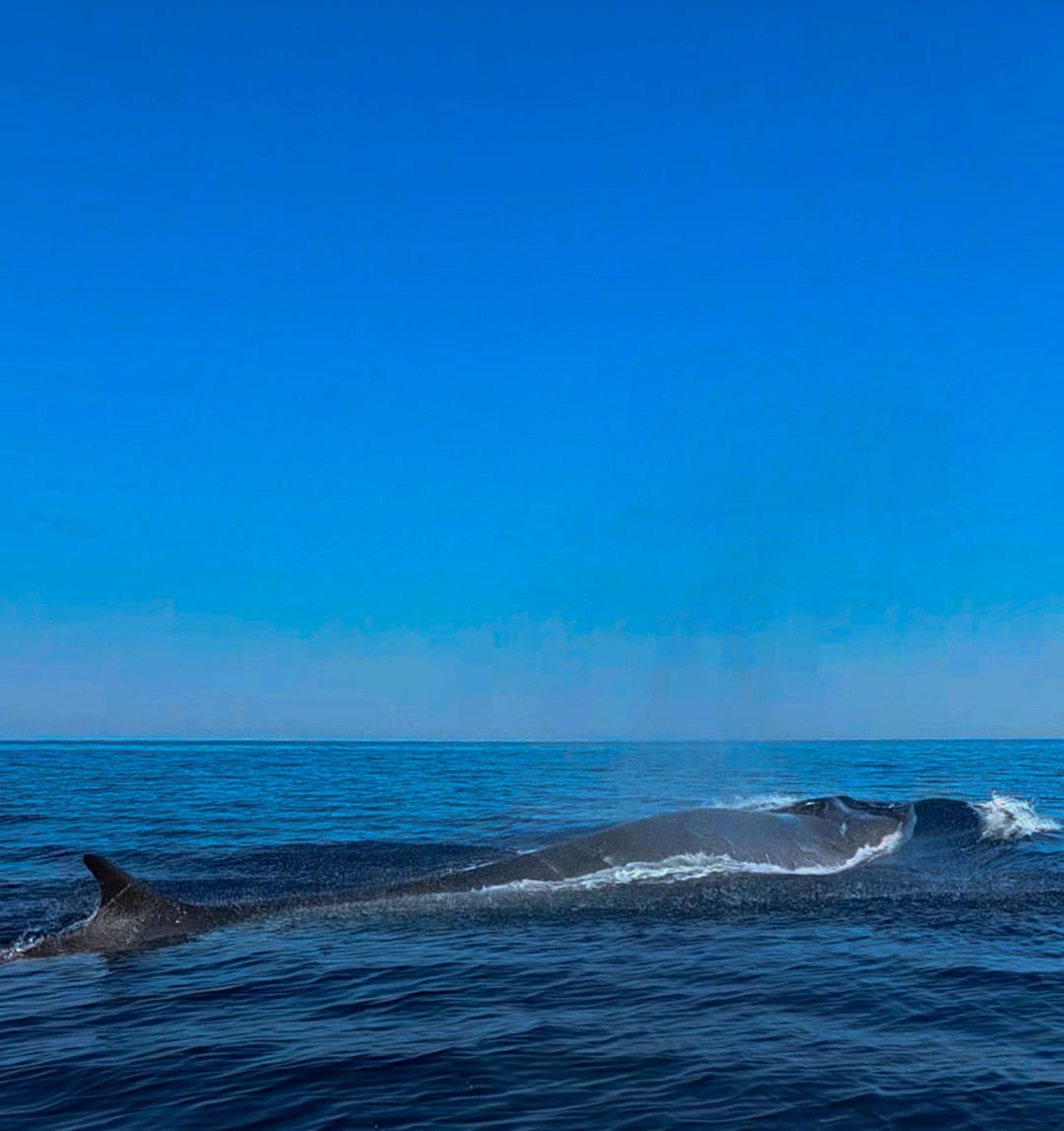
Fin whale (Balaenoptera physalus)
@Eleonora Barbaccia
Fin whale (Balaenoptera physalus)
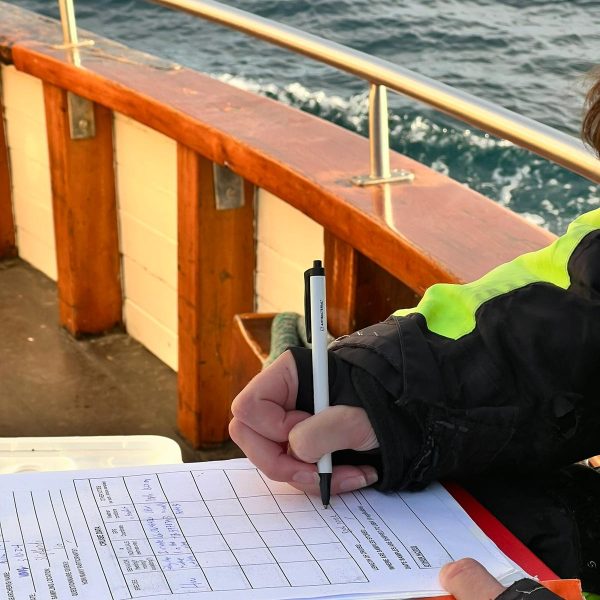
Italian team sampling protocol 2025
Blue Panda boat
Blue Panda boat
@Eleonora Barbaccia
Blue Panda boat

Results

By the end of the four-day cruise (5–9 August 2025), a total of 26 filters (17 Sylphium and 9 Waterra) had been collected from 8 fin whales (Balaenoptera physalus) and 1 sperm whale (Physeter macrocephalus).

Fin whale (Balaenoptera physalus)
@Eleonora Barbaccia
Fin whale (Balaenoptera physalus)
The sperm whale or cachalot (Physeter macrocephalus)
@Eleonora Barbaccia
The sperm whale or cachalot (Physeter macrocephalus)
@Eleonora Barbaccia
The sperm whale or cachalot (Physeter macrocephalus)
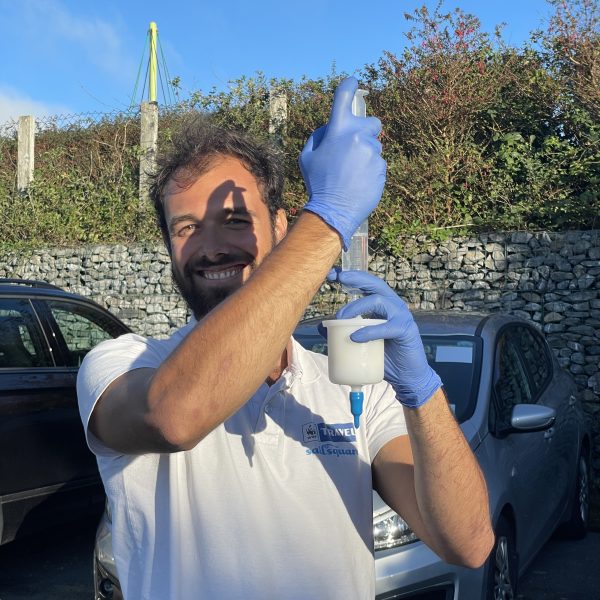
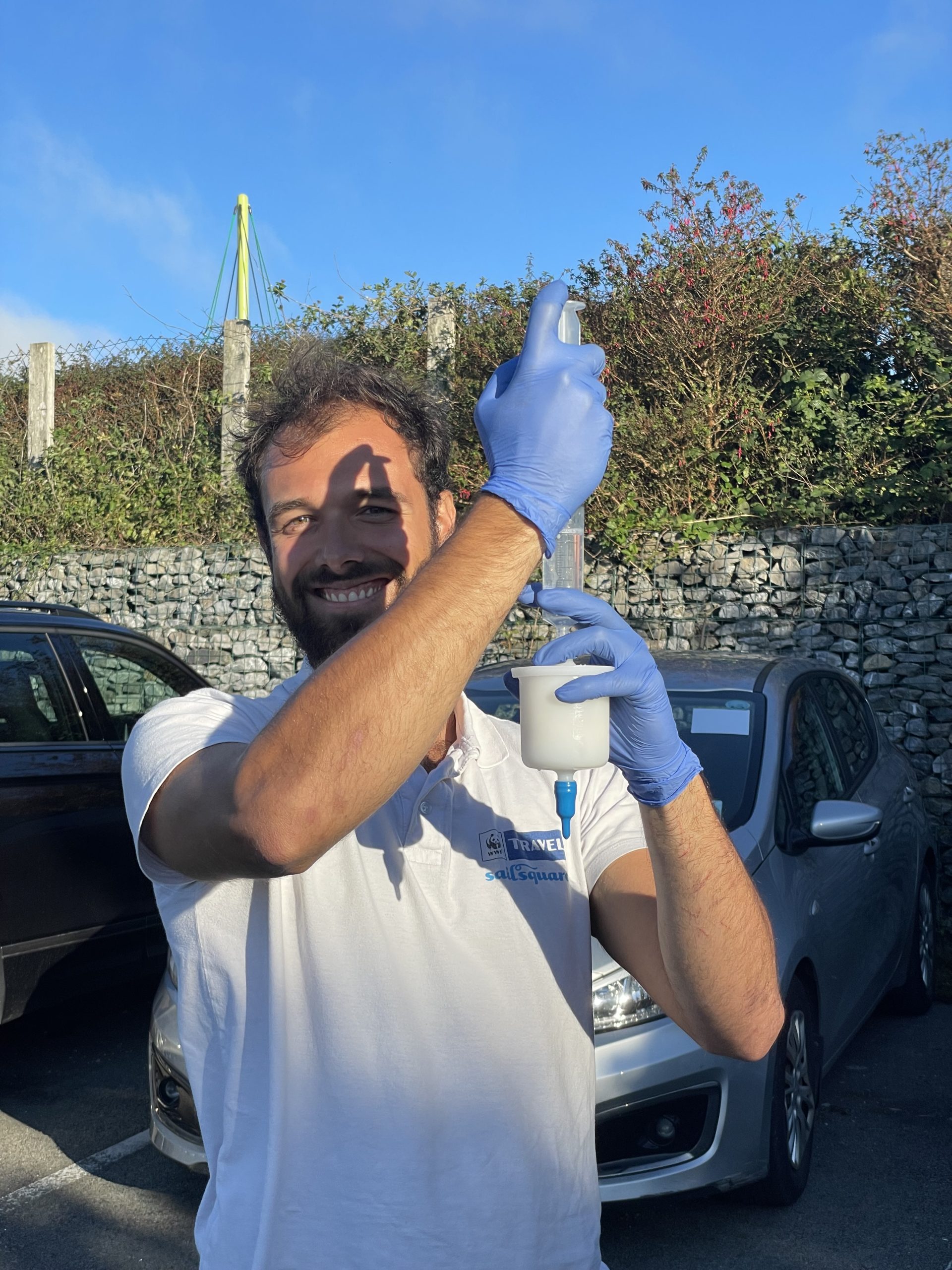
Eleonora Barbaccia filtering
@Eleonora Barbaccia
Eleonora Barbaccia filtering
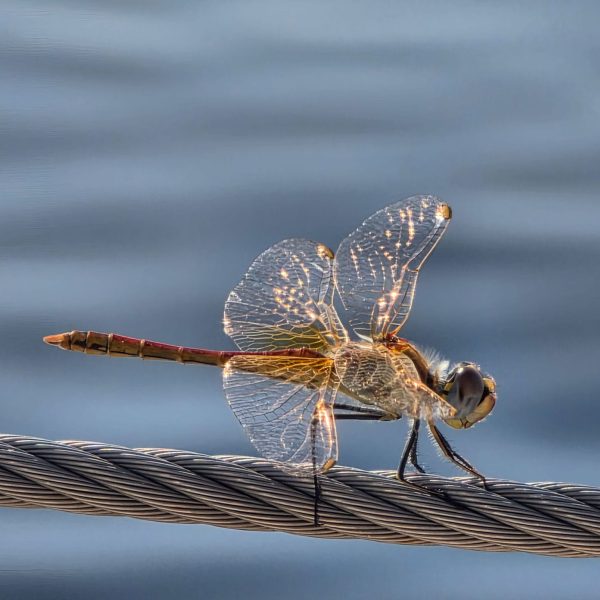
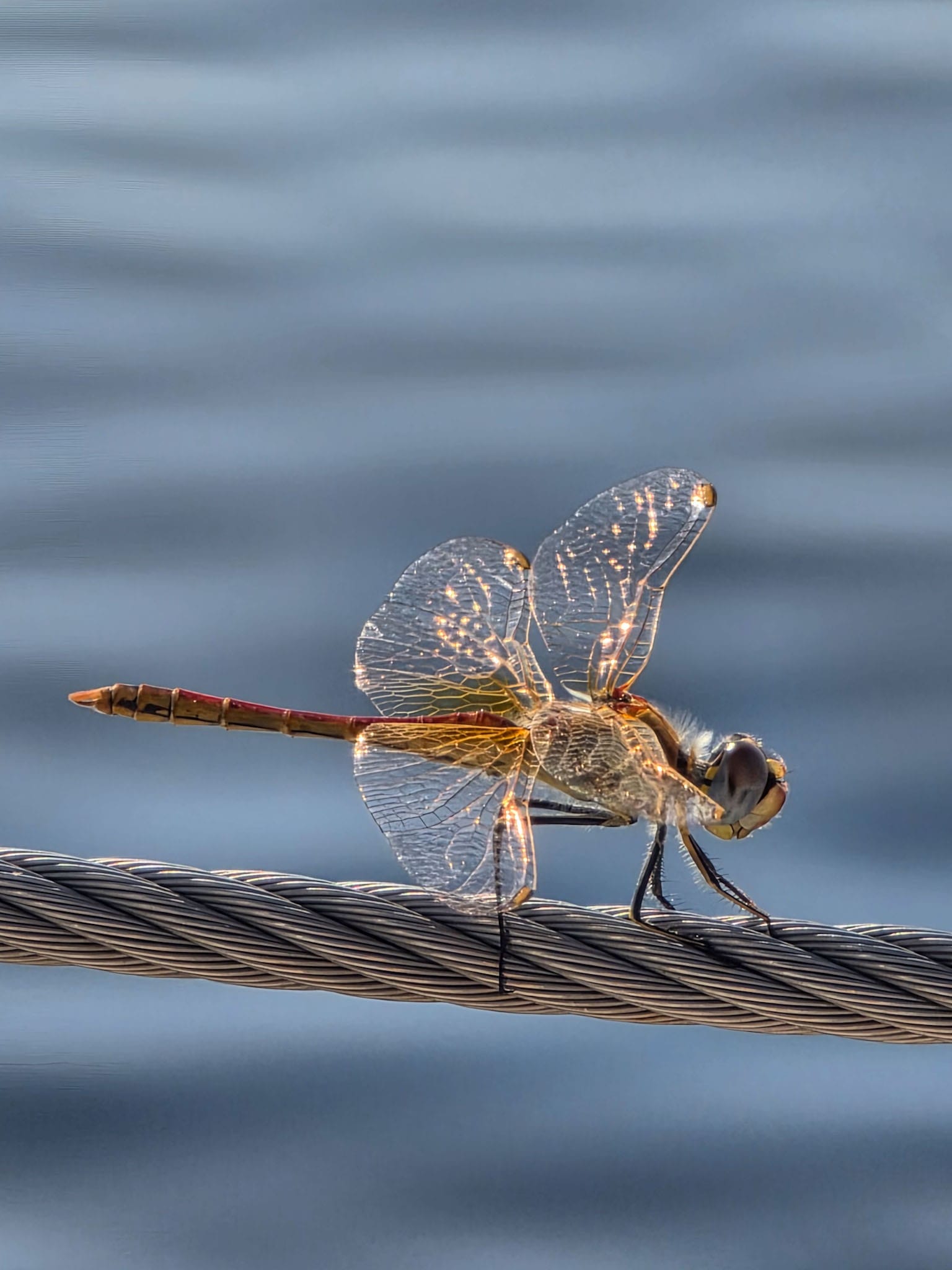
Dragonfly
Dragonfly
@Eleonora Barbaccia
Dragonfly
Filtering
Filtering
@Eleonora Barbaccia
Filtering
en_CAEnglish