Category: Conferences

European Cetacean Society 2024

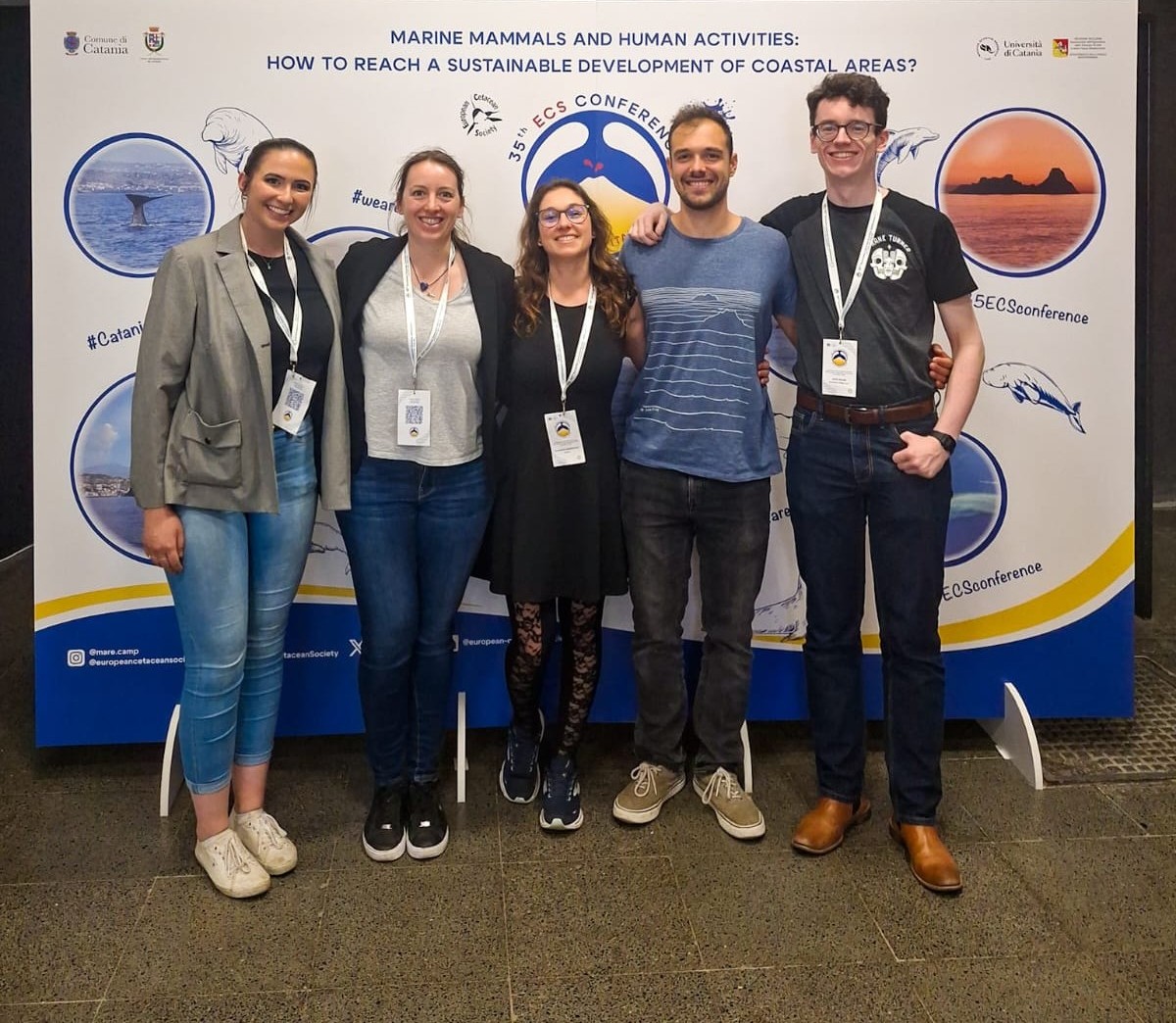
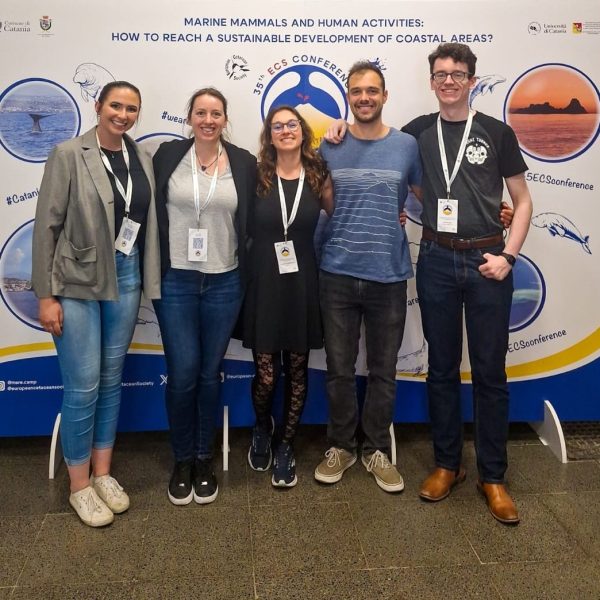
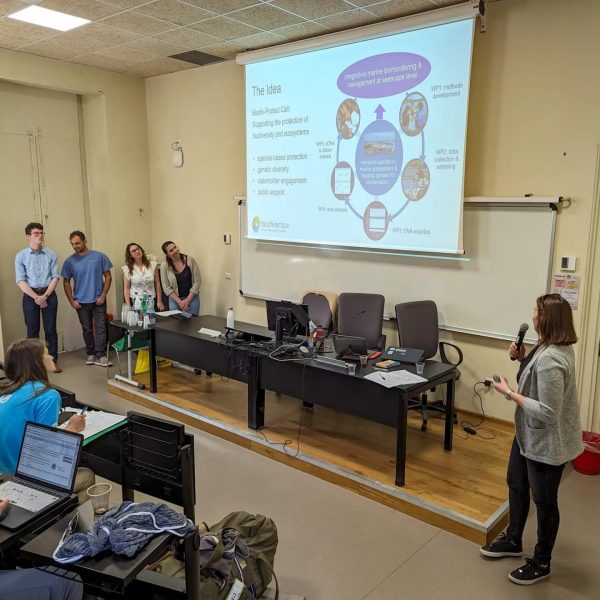
From 10 to 12 May 2024, the eWHALE team attended the 35th Annual European Cetacean Society (ECS) conference in Catania, Sicily, Italy. We showcased two talks and two posters, highlighting how environmental DNA (eDNA) collected from whale-watching platforms, paired with citizen science, can deliver scalable, high-resolution biodiversity monitoring across the North-East Atlantic and the Mediterranean.

eWHALE team
eWHALE team
eWHALE team
@Bettina talk
@Bettina talk
@Bettina talk


In the two days before the conference, part of the team joined an eDNA workshop led by Elena Valsecchi, Simon J. Goodman and Alessia Rota, presenting the project’s initial steps and goals.
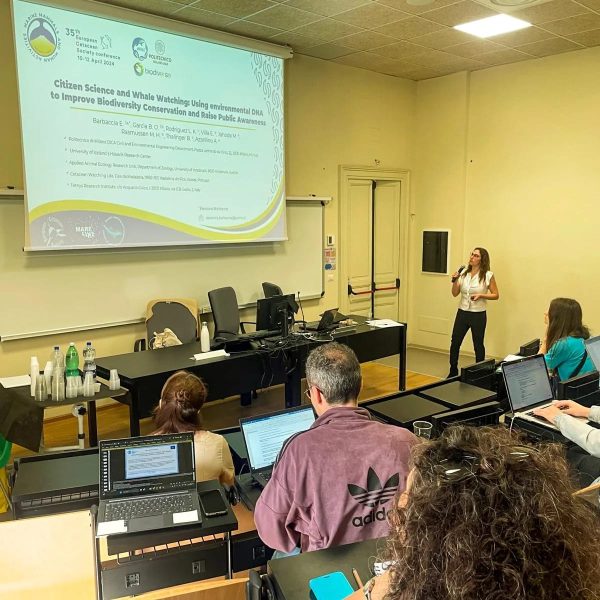
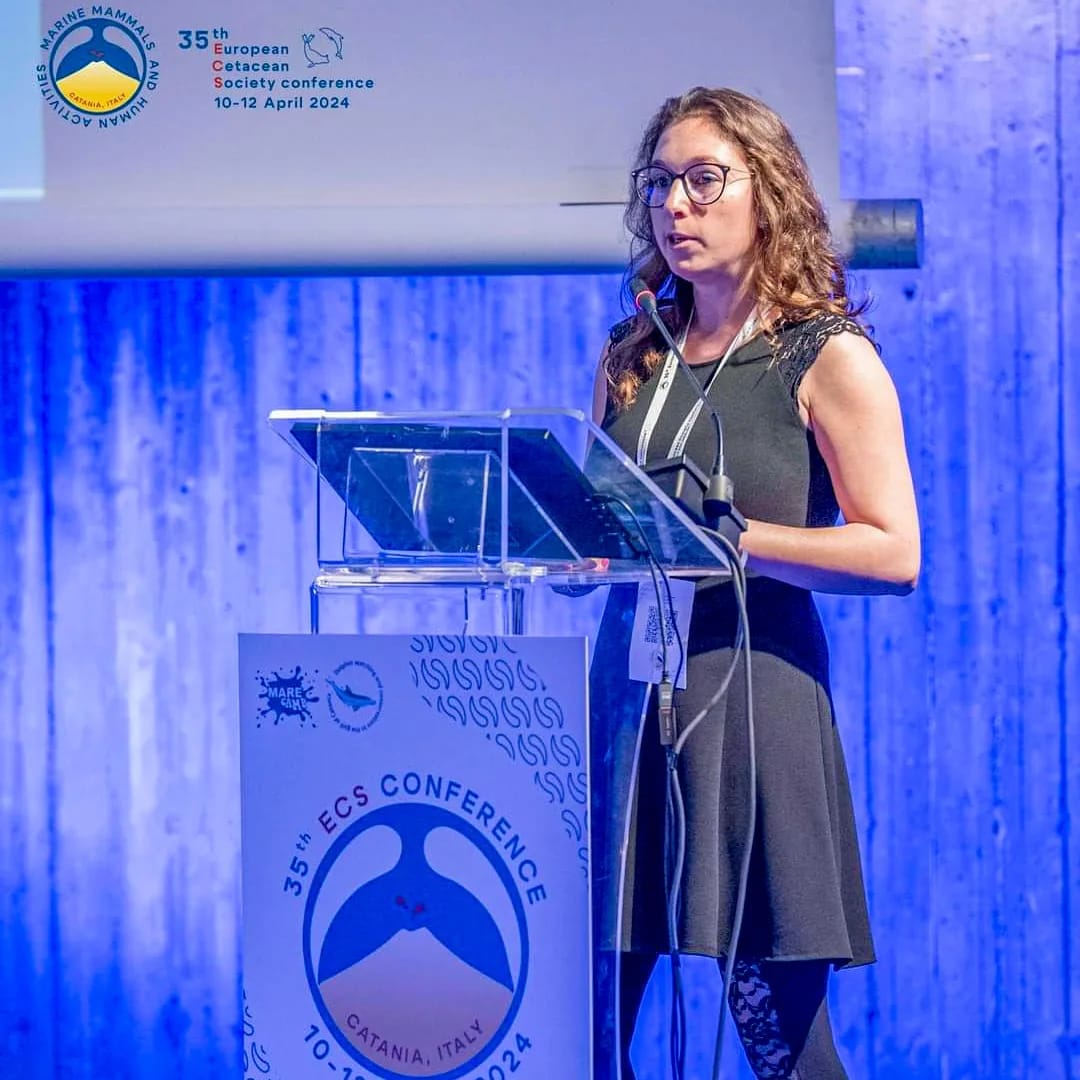
Eleonora Barbaccia, the PhD student at Politecnico di Milano (Italy), presented a talk entitled “Enhancing biodiversity conservation and public awareness through citizen science and whale watching with eDNA monitoring.

This presentation reported a before-and-after questionnaire study run aboard whale-watching platforms in Italy, Portugal and Iceland.

Multiple Correspondence Analysis explored links between participant traits and awareness, and a Wilcoxon paired test showed a highly significant increase in biodiversity and eDNA knowledge after the onboard activity (P < 0.01), evidencing the educational impact of citizen-science-driven eDNA sampling.


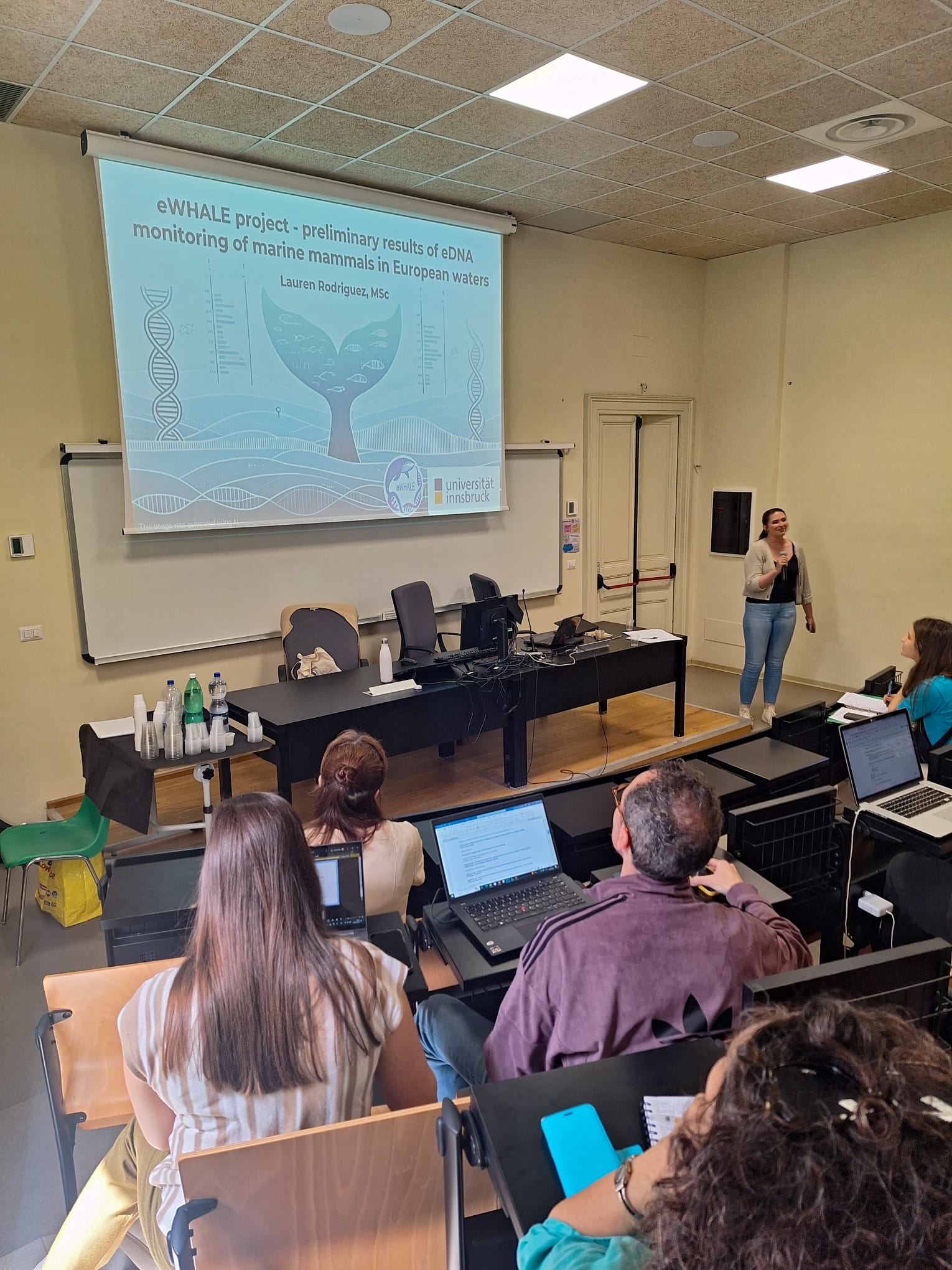
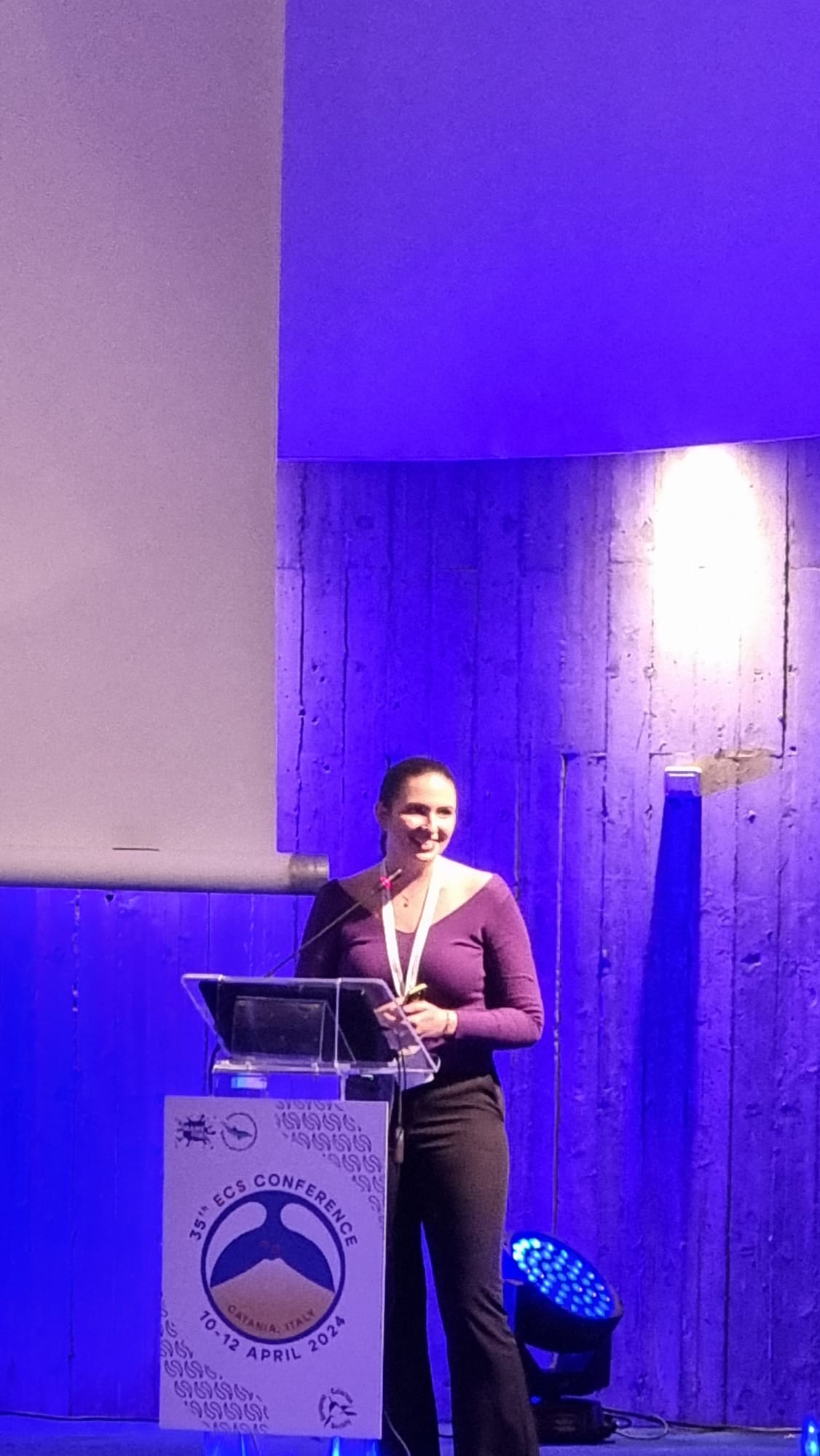
Lauren Rodriguez, the PhD student at University of Innsbruck (Austria), presented the talk “Optimizing environmental DNA field sampling and laboratory protocols across a multinational initiative to detect and quantify the presence of whales in the North-East Atlantic and Mediterranean Sea”.

She outlined how the eWHALE consortium harmonised eDNA sampling approaches across multiple countries by systematically testing key field parameters in 2023, including sampling location (flukeprint vs breach site), timing after whale presence, filter type and filtered water volume. A ring test performed across four international laboratories confirmed the comparability and reliability of their extraction and qPCR workflows. Results showed that higher water volumes increased eDNA yield, that 1–5 minutes after a whale’s presence still allowed detection, and that both flukeprint and breach samples produced similar quantities of cetacean DNA.

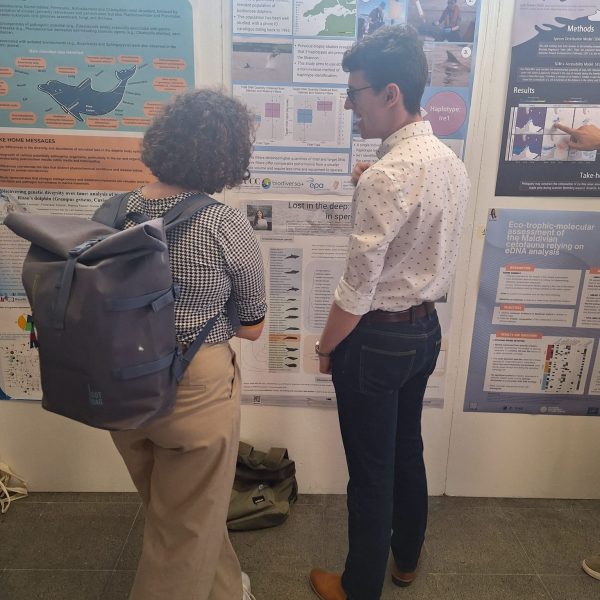
Lorenzo De Bonis, the PhD student at University College Cork (Ireland), presented a poster entitled: "eWHALE: Combining environmental DNA sampling, whale watching and citizen science for stakeholder-driven marine biodiversity protection in the North-East Atlantic and the Mediterranean".
He presented the consortium’s design and first multi-site results: 341 eDNA samples collected with four filter types (Waterra, Smith-Root, Sylphium, Sterivex) across the Azores, the Pelagos Sanctuary, Brittany, Skjálfandi Bay, Irish and Norwegian waters.

Target cetacean and shark DNA has already been detected, with paired biopsies planned to validate individual identification and population genetics.

Metabarcoding and qPCR are being used to profile putative prey, while onboard engagement embeds citizen science in routine tours, building a blueprint for international, participatory marine monitoring.

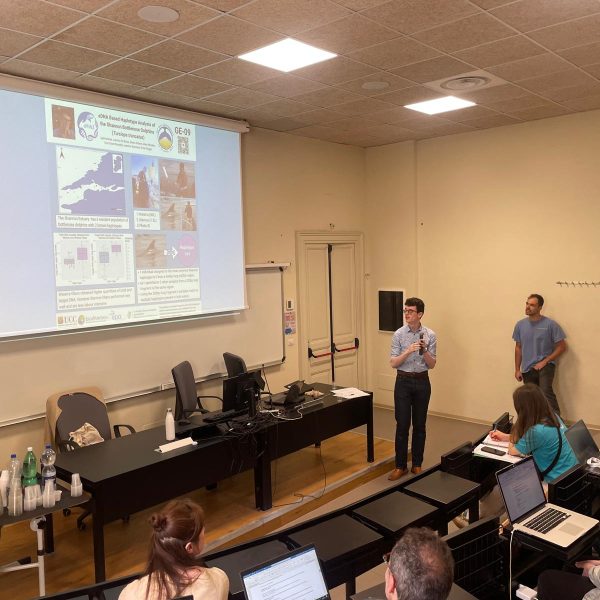
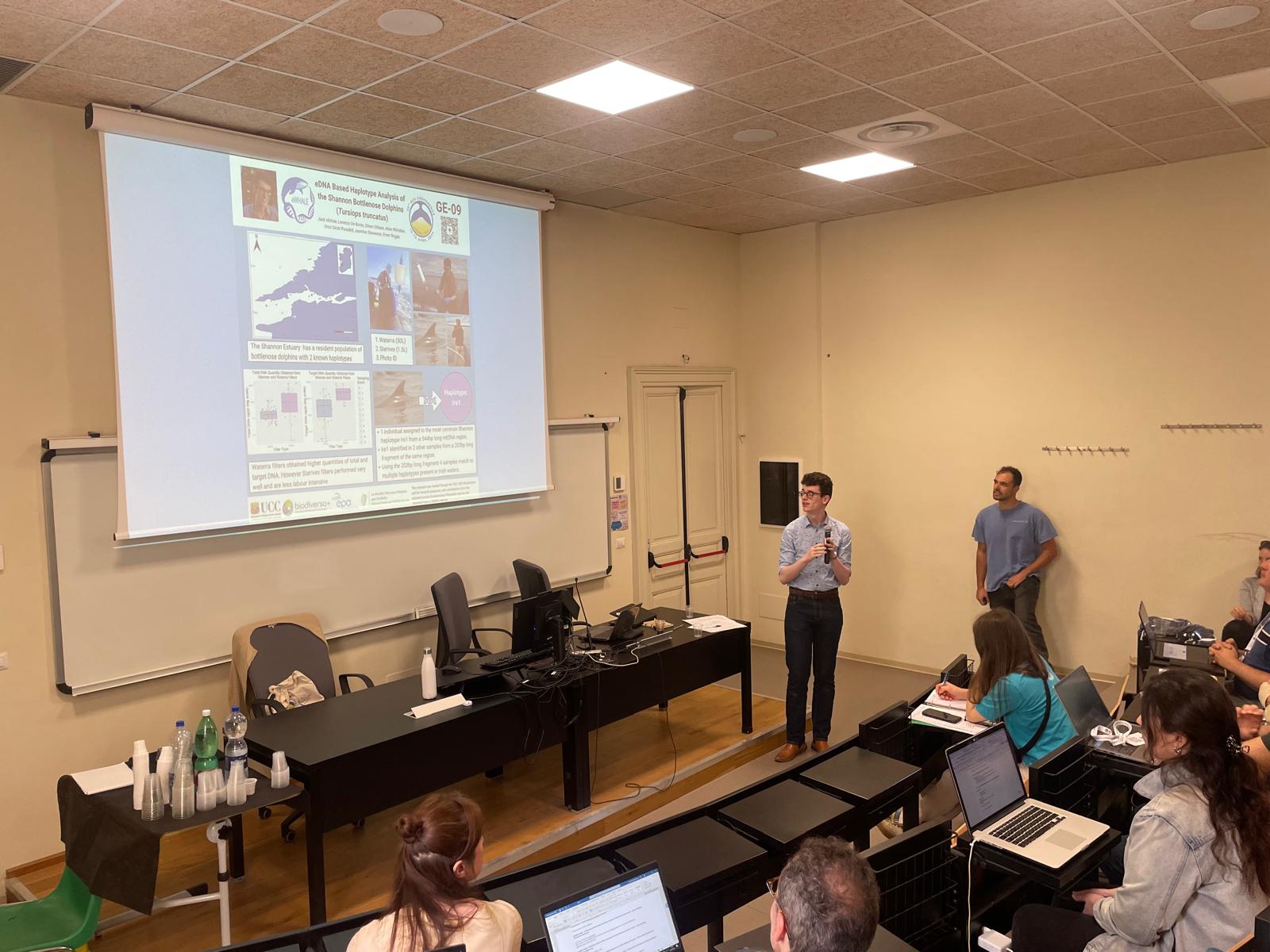
Jack McKee, the master’s student at University College Cork (Ireland), presented the poster eDNA-based haplotype analysis of the Shannon bottlenose dolphins (Tursiops truncatus).

Working in the Shannon Estuary SAC, he tested non-invasive eDNA approaches to characterise haplotype diversity in this resident population, comparing Waterra (50 L) and Sterivex (1.5 L) filters. Waterra yielded higher total and target DNA, while Sterivex achieved comparable results with lower sample volumes and simpler logistics.

Mitochondrial fragments (≈544 bp and 203 bp) confirmed the common Shannon haplotype Ire1 across multiple samples, demonstrating the feasibility of eDNA to support population-level genetics alongside photo-ID and biopsy programmes.

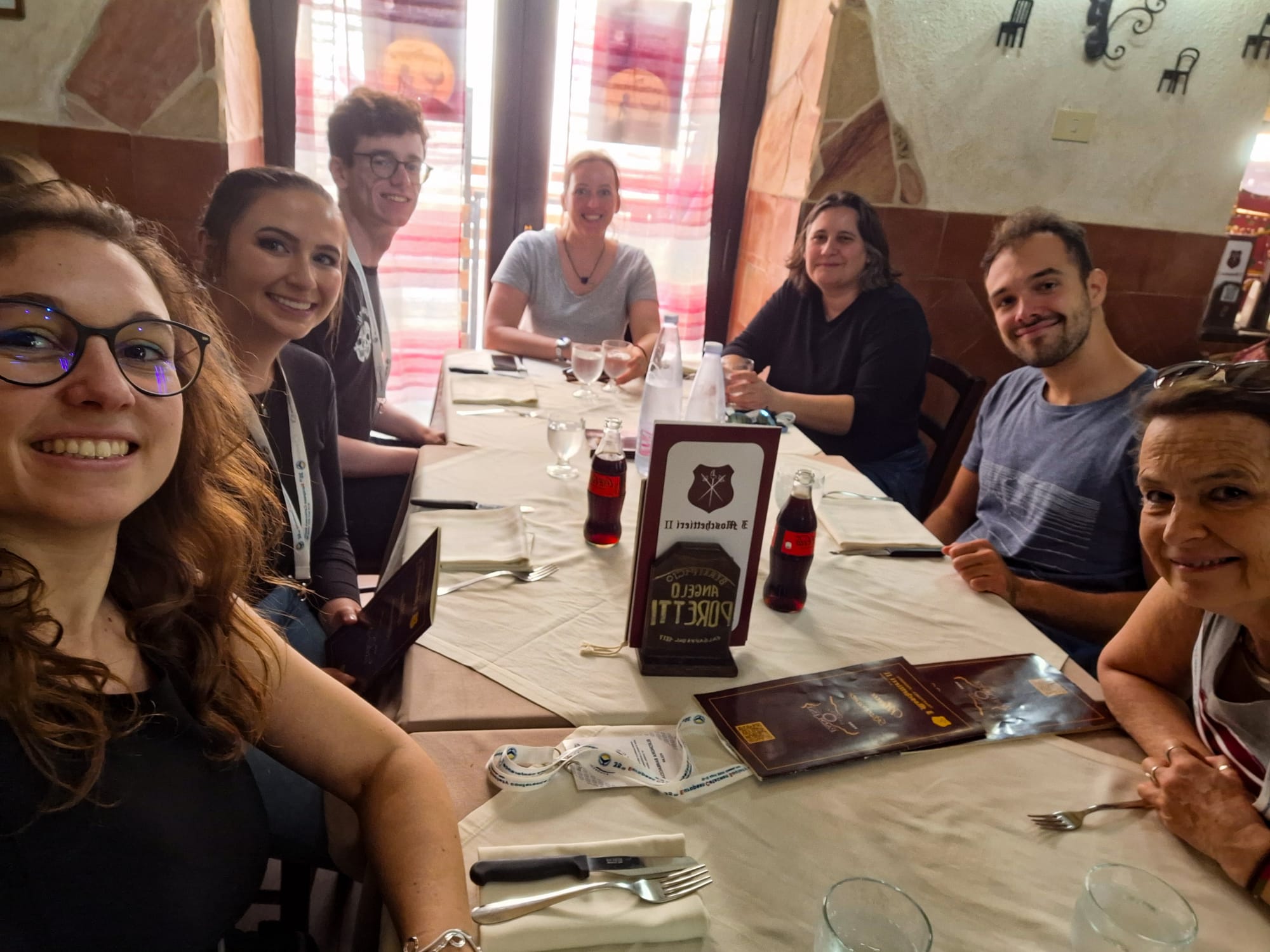
In the days before and after the conference, the eWHALE team explored Catania and savoured its superb Sicilian cuisine.

European Cetacean Society 2025

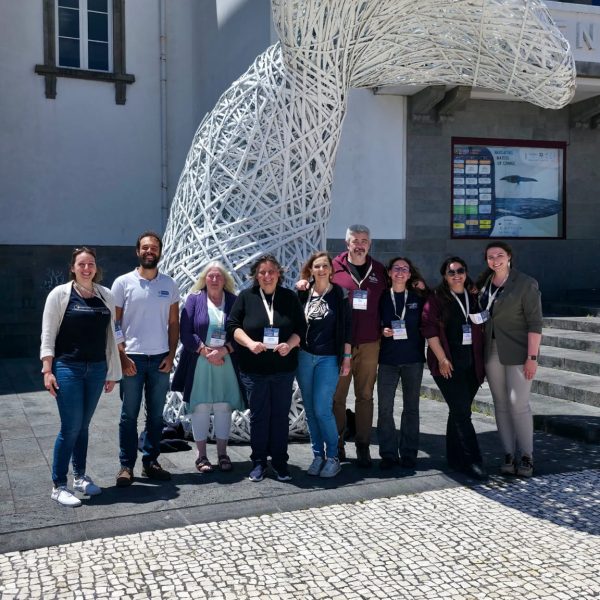
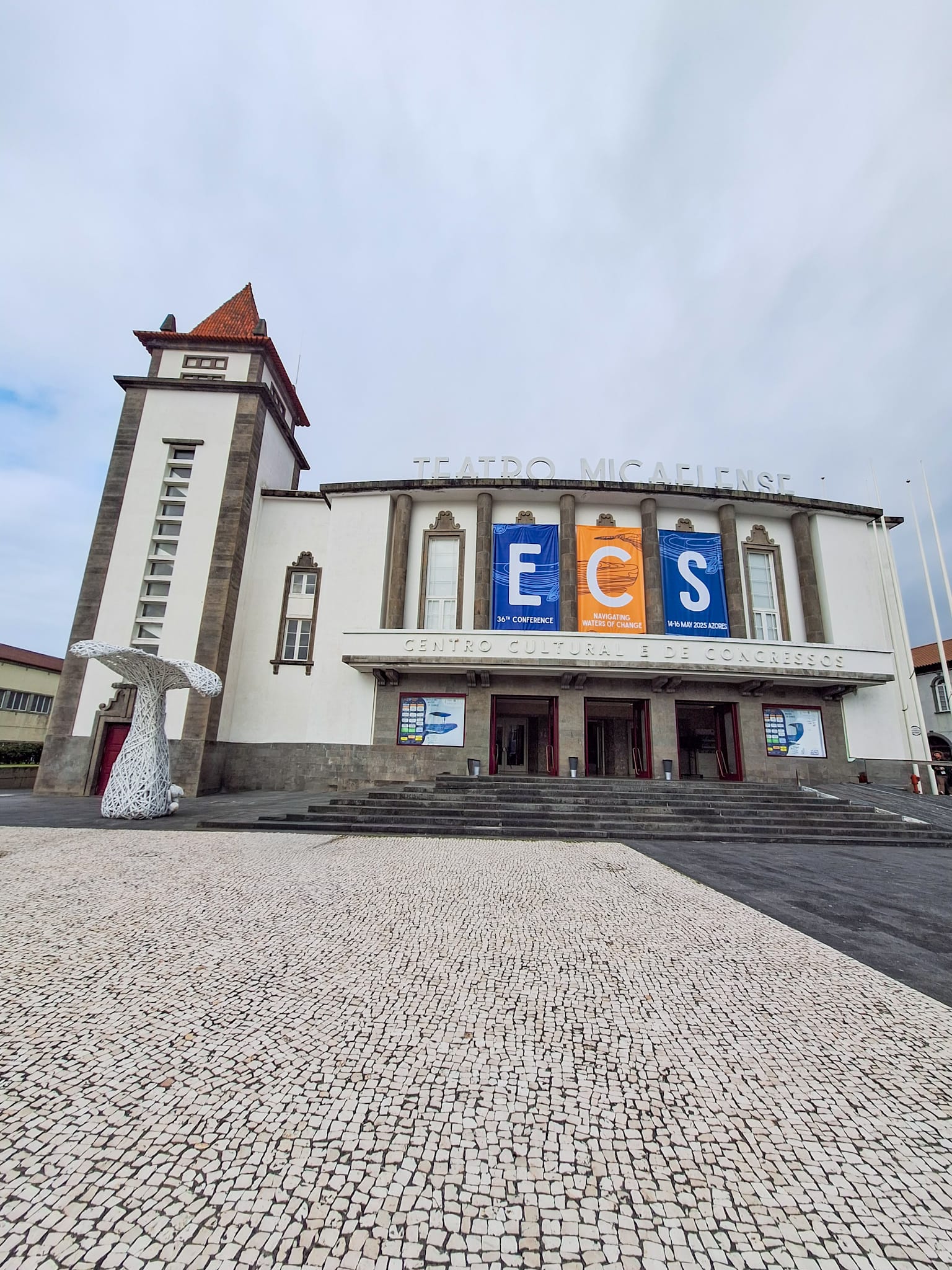
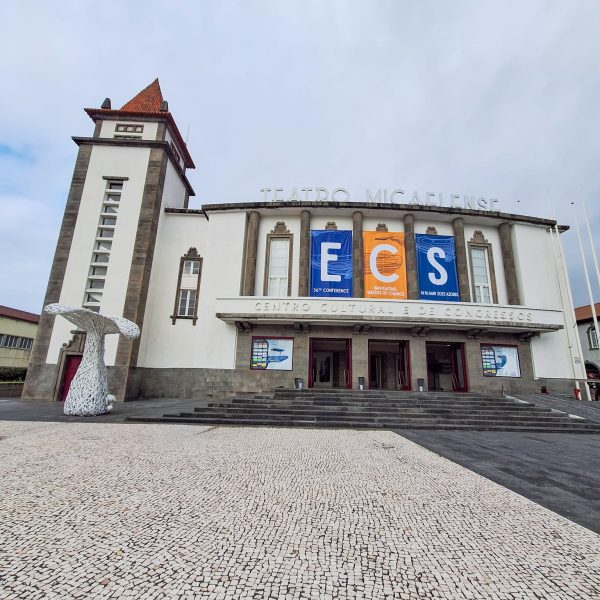
From 12 to 16 May 2025, the eWHALE team joined the 36th European Cetacean Society (ECS) "Navigating waters of change" in Ponta Delgada (Azores), presenting two posters and a 15-minute talk. Our contributions highlighted progress on eDNA sampling from whale-watching platforms, collaboration with operators and citizen scientists, and emerging insights into marine biodiversity of the Atlantic Ocean and the Mediterranean Sea.

The conference programme also included a pre-conference workshop titled “From Genes to Whales: the use of genetic tools for the study of cetaceans”, held on 13 May at Clube Naval de Ponta Delgada.

Our eWHALE team attended the session, which was led by Laura Miralles (Universidad de Oviedo) and explored how different genetic tools can be used to study whales and dolphins and support their conservation. Starting from basic genetic concepts and moving towards cutting-edge techniques, the workshop covered species and sex identification, population genetics, environmental DNA, massive sequencing approaches, qPCR, ddPCR and more. Designed to be accessible to both beginners and experienced researchers, it offered a very practical overview of which genetic methods are most suitable to answer specific biological questions about cetaceans.

It was a great opportunity to exchange ideas, strengthen partnerships and share our work with the cetacean research community.

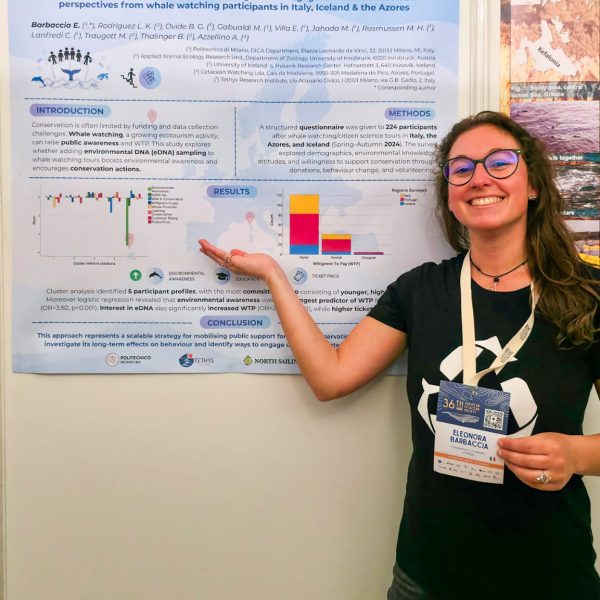
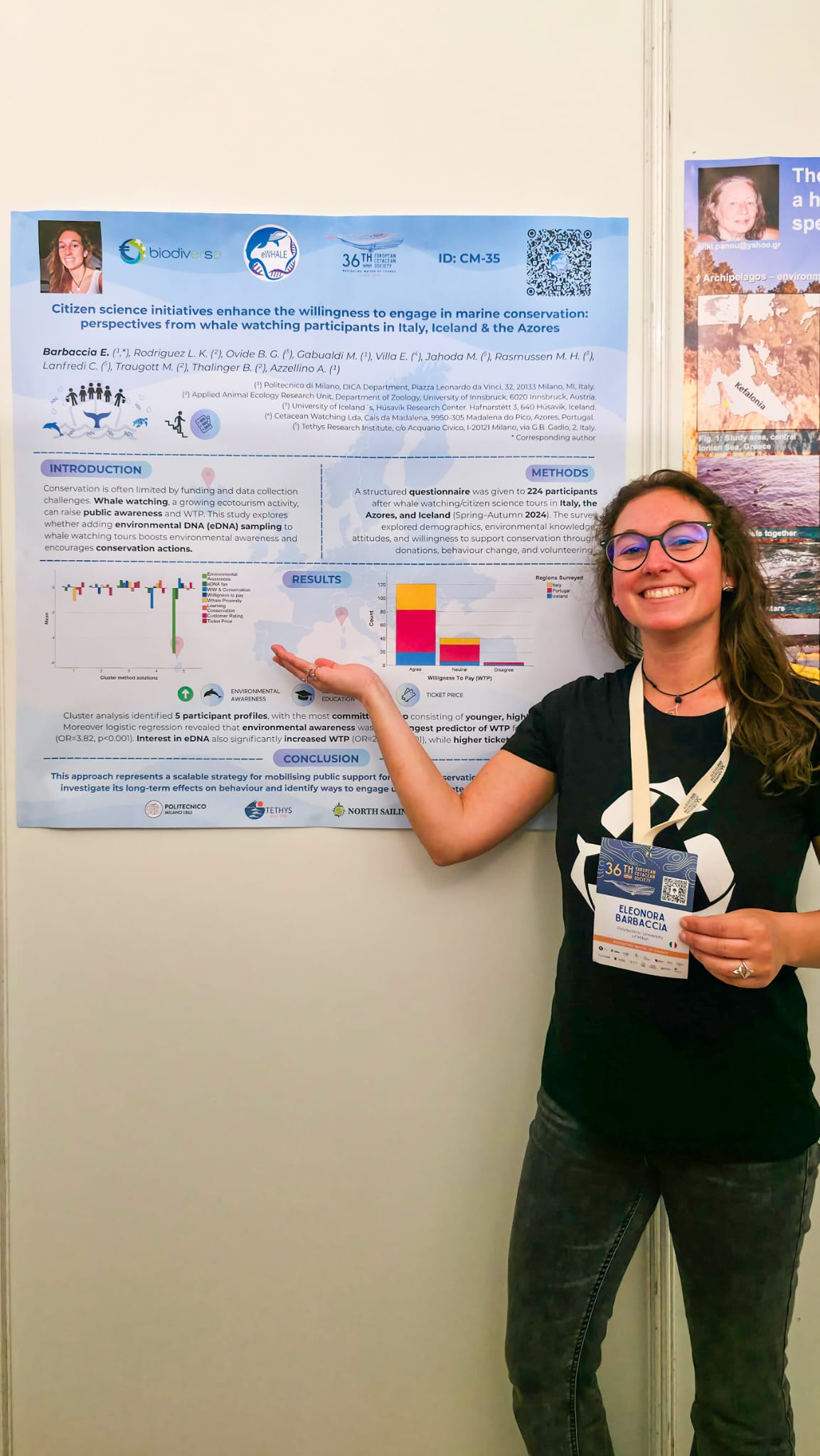
At ECS 2025, Eleonora Barbaccia presented the poster entitled “Citizen science initiatives enhance the willingness to engage in marine conservation: perspectives from whale-watching participants in Italy, Iceland and the Azores.

We surveyed 224 participants during 2024 eWHALE campaigns across the Pelagos Sanctuary, Pico Island and Skjálfandi Bay, combining eDNA sampling with structured questionnaires to assess willingness to participate for conservation.

Factor and cluster analyses identified five participant profiles, with the most committed group being younger and highly educated; overall, about 80% expressed a positive willingness to contribute. Logistic regression indicated that environmental awareness and education predicted higher willingness to pay, while ticket price had a negative effect.

The study highlights whale watching as a powerful platform to build knowledge, mobilise public support and guide targeted outreach, with next steps focusing on behaviour change and engaging under-represented groups.

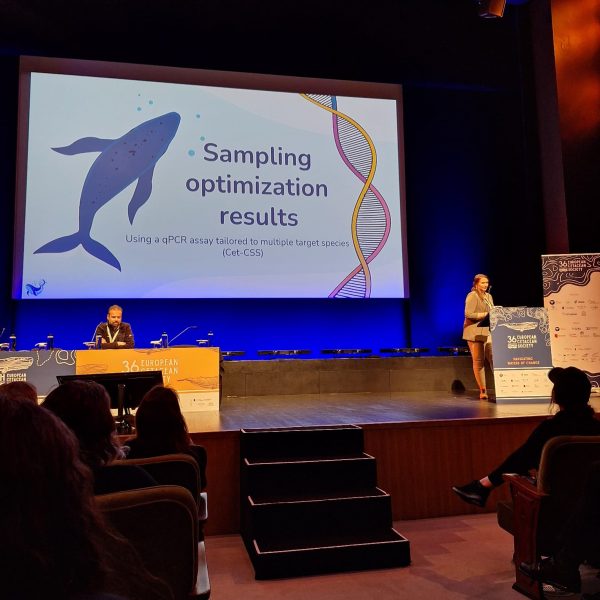
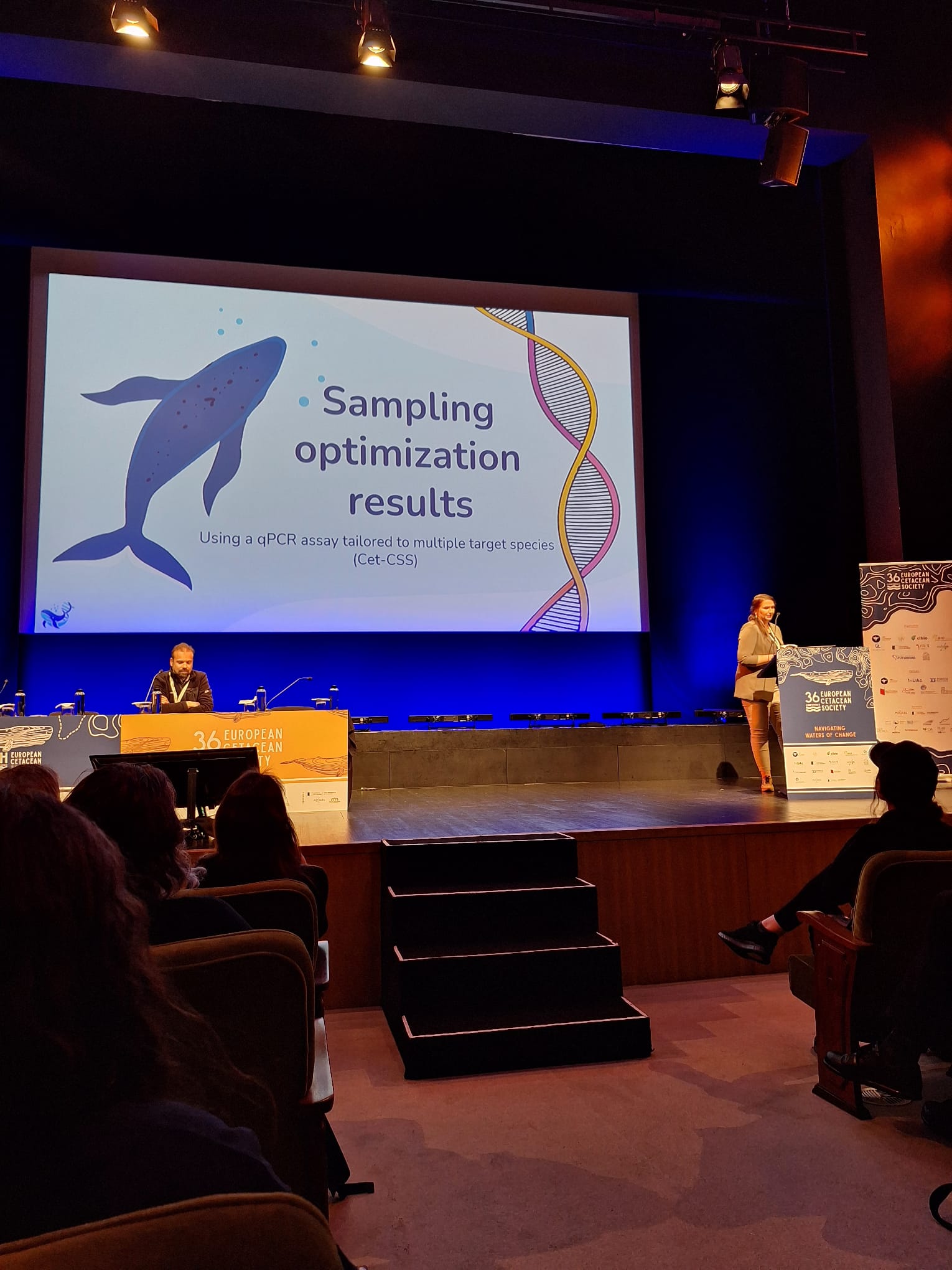
At ECS 2025, Lauren Rodriguez, the PhD student at University of Innsbruck (Asutria), delivered the talk “From fluke to food web: internationally optimised eDNA sampling protocol for whale-watching platforms reveals marine ecological networks in the Azores”.

She showed how harmonising protocols across three operators in the Atlantic and Mediterranean enables consistent, cost-effective monitoring: in 2023, 142 samples tested water volume (2–10 L), sampling timing (immediately to 20 min post-encounter) and filter pore size (three types).

Linear mixed models indicated that 10 L, immediate post-encounter sampling and 1.2 µm filters significantly improved detection probability and signal (p < 0.05). Applying the optimised protocol in 2024 (150 samples) around the Azores, metabarcoding captured cetaceans, their prey (e.g., small pelagic fish and krill), co-occurring vertebrates and key planktonic metazoans, revealing food-web structure and underscoring the potential of whale-watching operations for large-scale biodiversity monitoring to inform conservation.

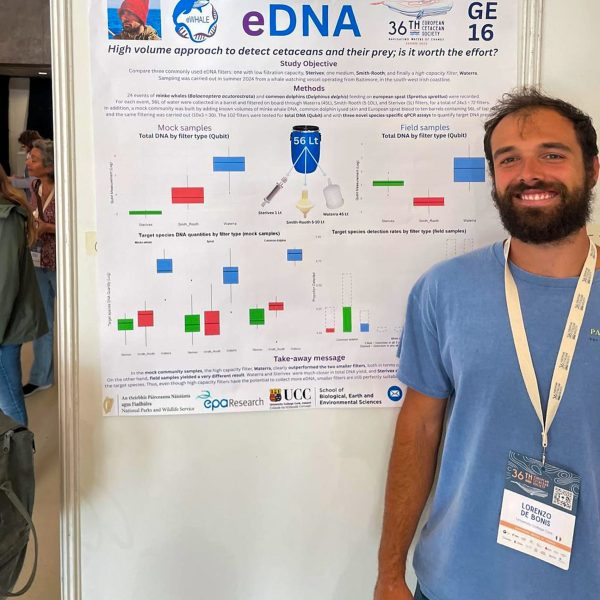
PhD student Lorenzo De Bonis (University College Cork, Ireland) joined the meeting with a poster asking a very practical question for anyone doing eDNA at sea: is it really worth going for high-volume filtration when sampling cetaceans and their prey from small and medium boats? To tackle this, Lorenzo compared three commonly used filter types – Sterivex (low volume), Smith-Rooth (medium volume) and Waterra (high volume) – during whale-watching cruises off Baltimore, on the south-west coast of Ireland. Across 24 feeding events of minke whales and common dolphins on European sprat, 56 litres of seawater were collected each time and split in parallel across the three filters, generating 72 field samples. An additional 30 filters came from controlled “mock community” barrels spiked with known amounts of DNA from the same species. All 102 filters are now being tested with species-specific qPCR assays, comparing not only detection rates and DNA yield, but also practical aspects such as filtration time, clogging, ease of use and inhibitor carry-over. The results will help the eDNA community understand when high-volume sampling really adds value, and when smaller, simpler filters may be just as effective.

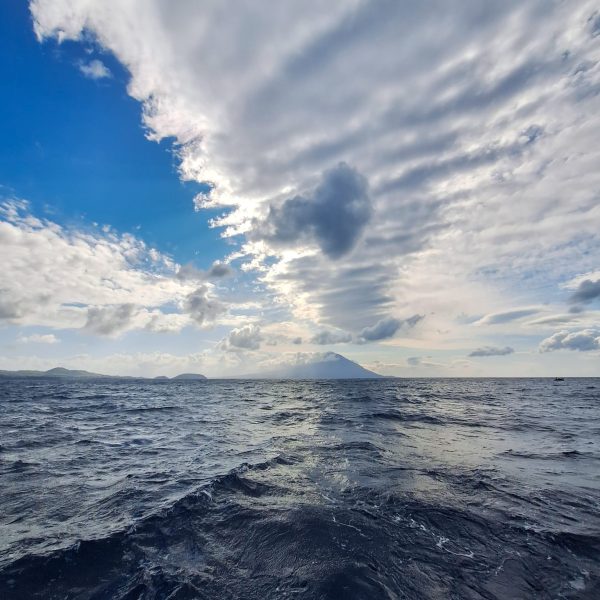
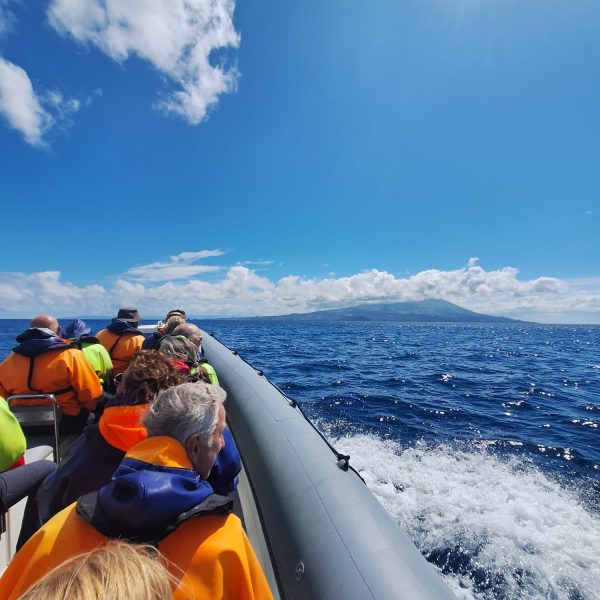
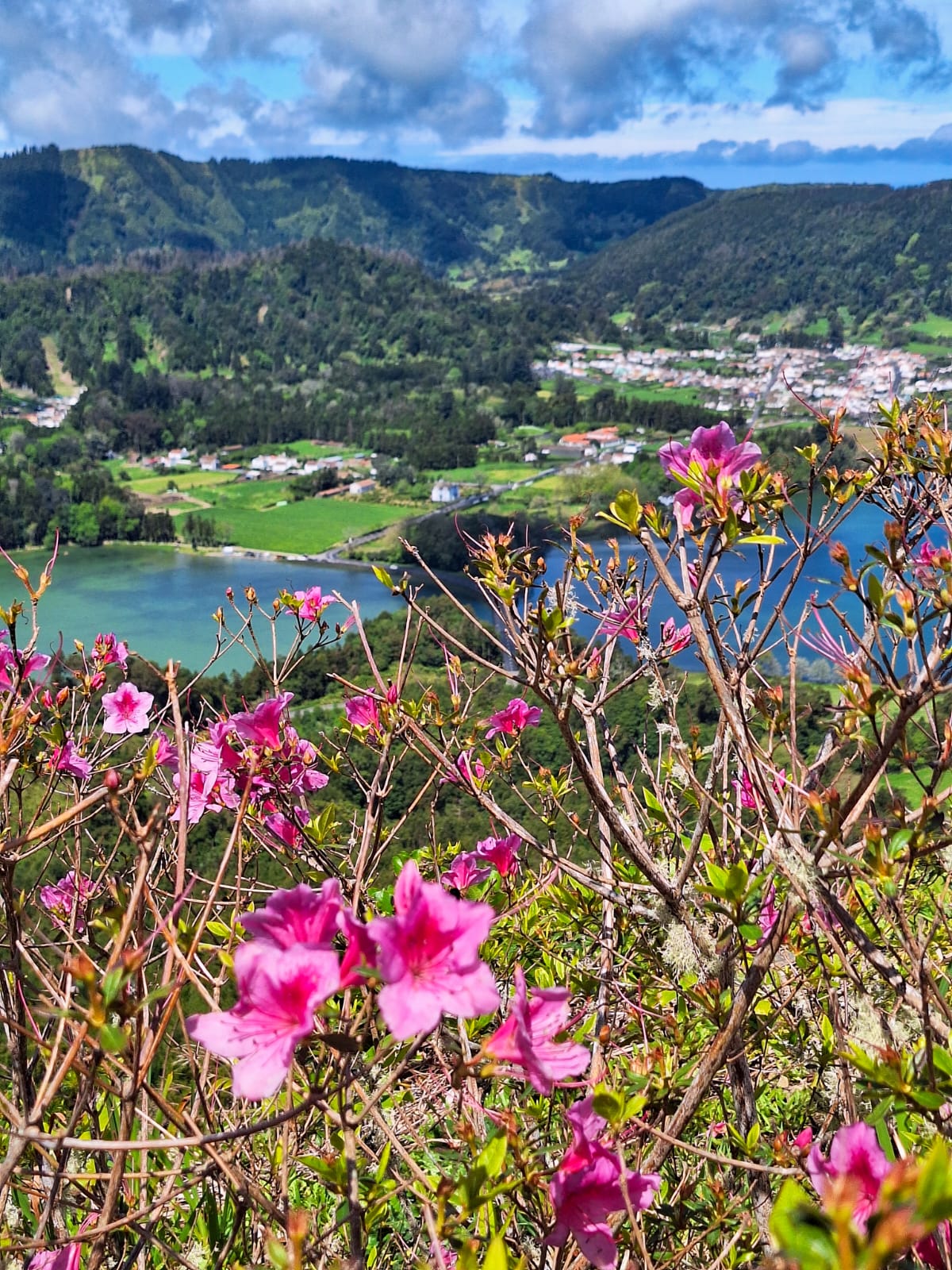
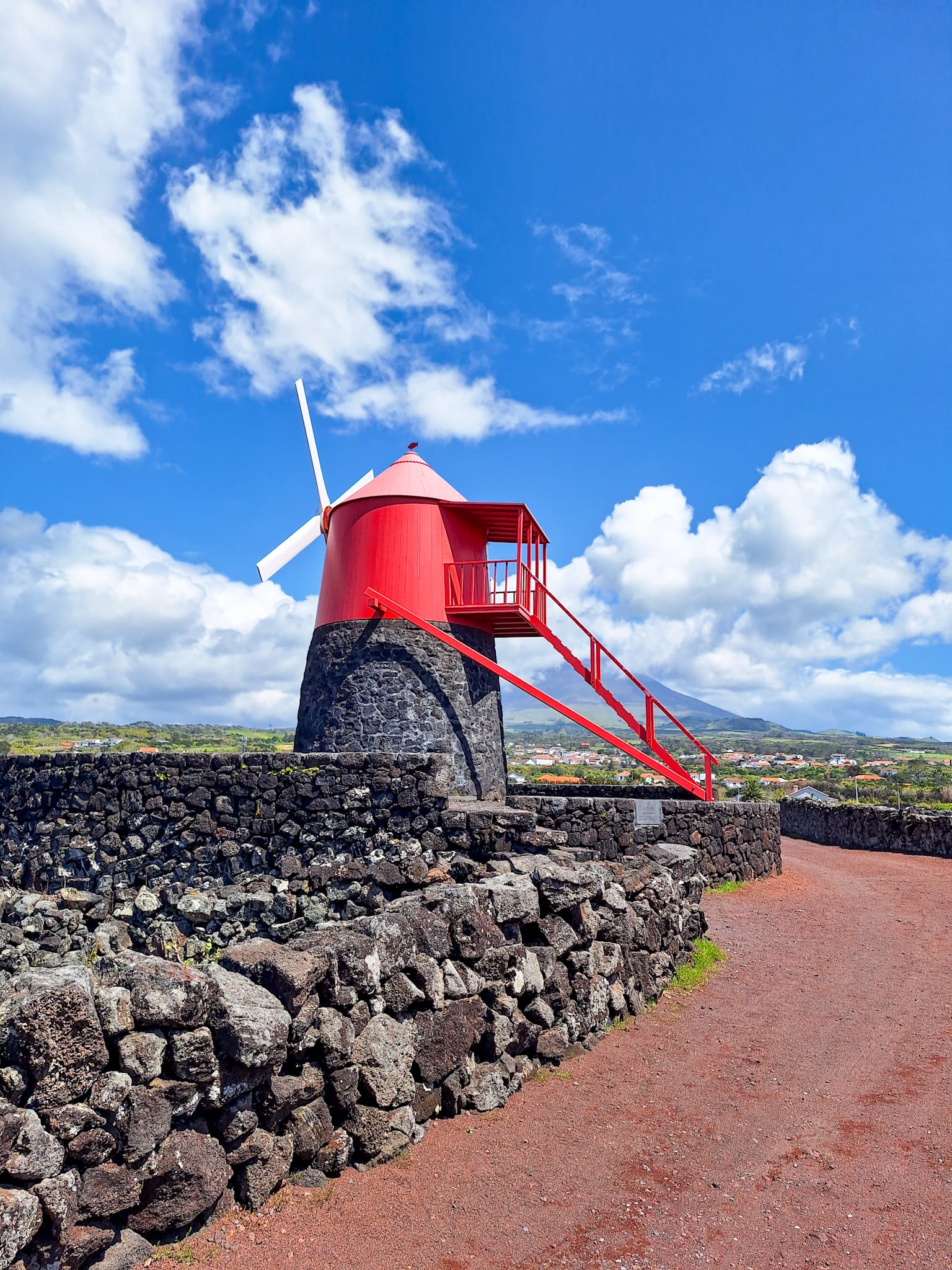
In the days before and after the conference, the eWHALE team took time to explore São Miguel and its waters and respectful, well-distanced encounters with cetaceans and seabirds. Among volcanic craters, lagoons and dramatic cliffs. A restorative pause that reminded us why these ecosystems deserve careful protection.

en_CAEnglish