Author: Eleonora Barbaccia

eWHALE project meeting at Ifremer

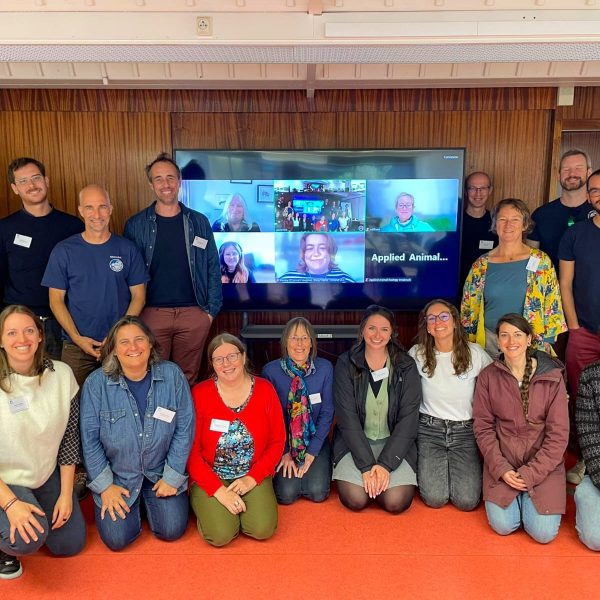
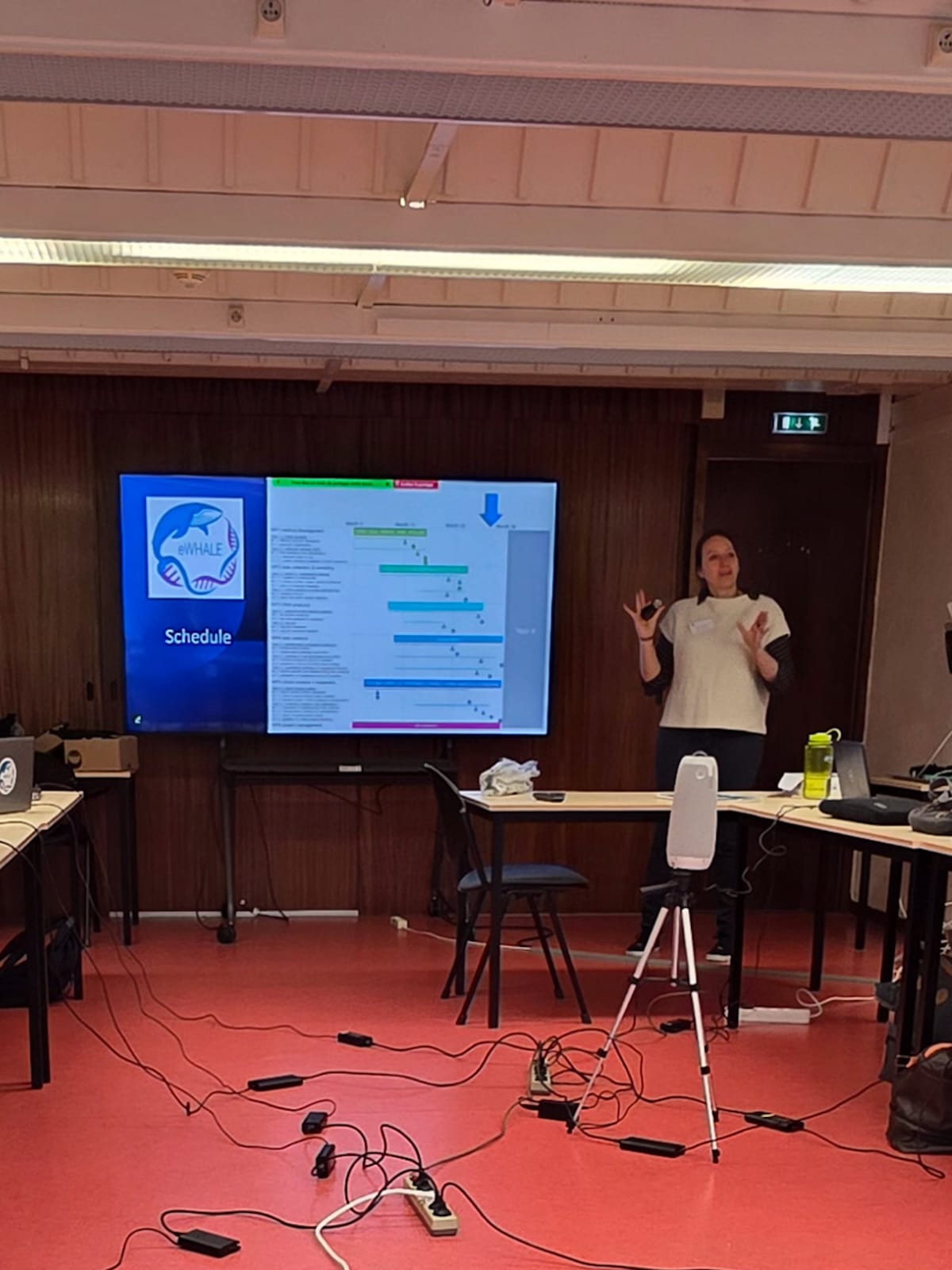
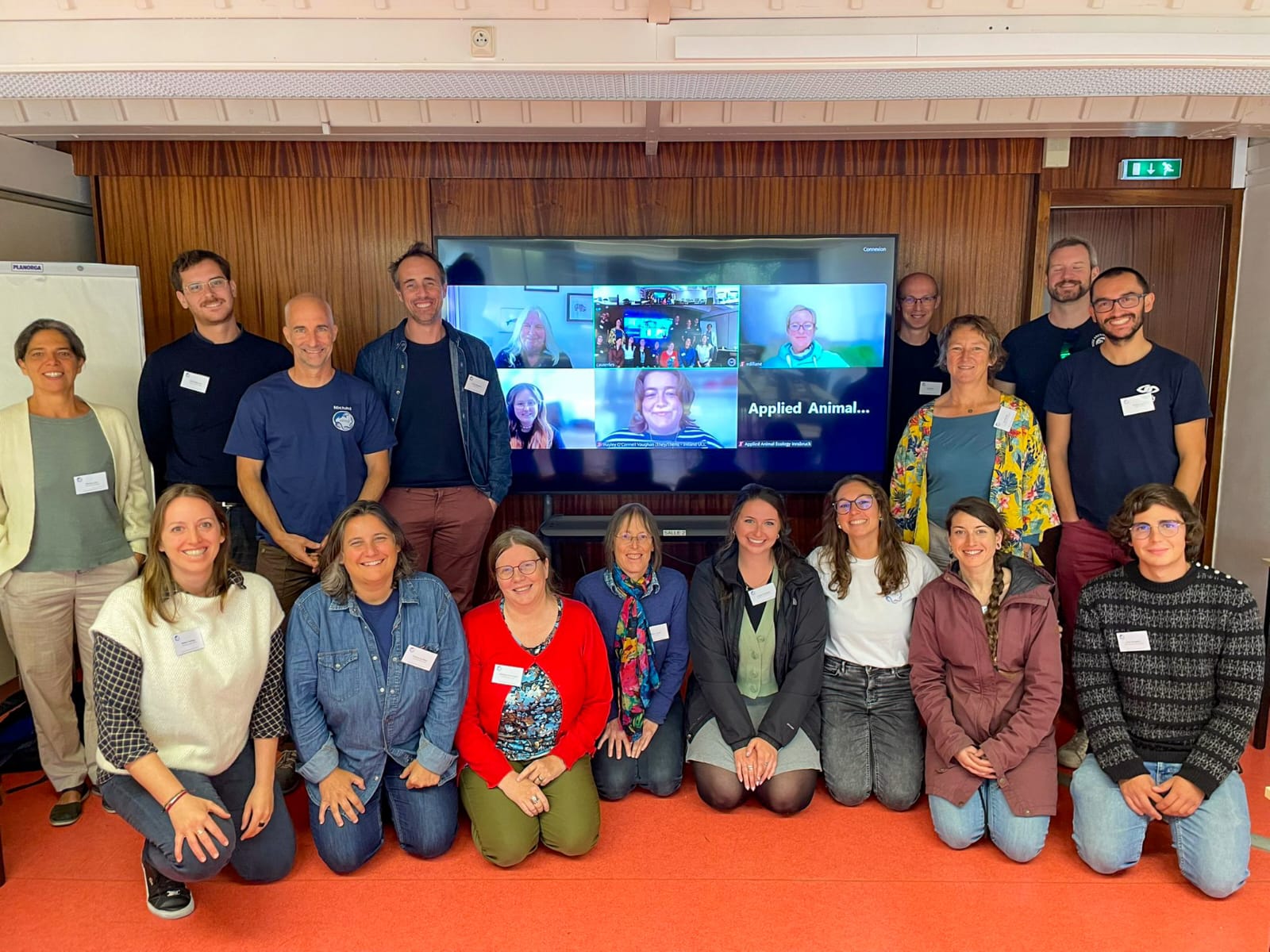
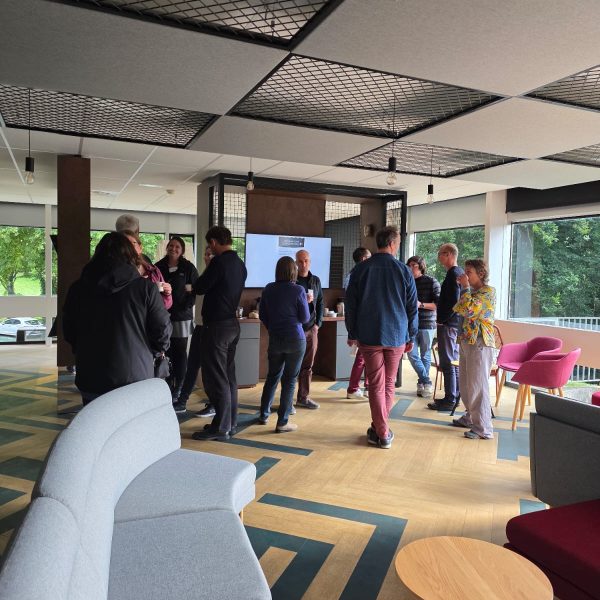
On 24–26 September 2025, the eWHALE team met at IFREMER in Nantes for our second in-person meeting, hosted by Team France. Researchers from Austria, Italy, the Azores, Iceland, Norway, Ireland and France came together to share results from 2023–2025 and plan the project’s final year. Three days of productive discussion, fresh ideas and strengthened collaborations left us energised for what’s next!

Bettina Thalinger, the project coordinator, opened the section by highlighting the 2023–2025 outcomes: optimised laboratory and field protocols for collecting and analysing eDNA from whale-watching platforms, and strengthened collaborations with operators and citizen scientists. She then outlined the next steps: updating online datasets to meet FAIR principles, convening a stakeholder meeting, consolidating publications, and scaling outreach through 2026.
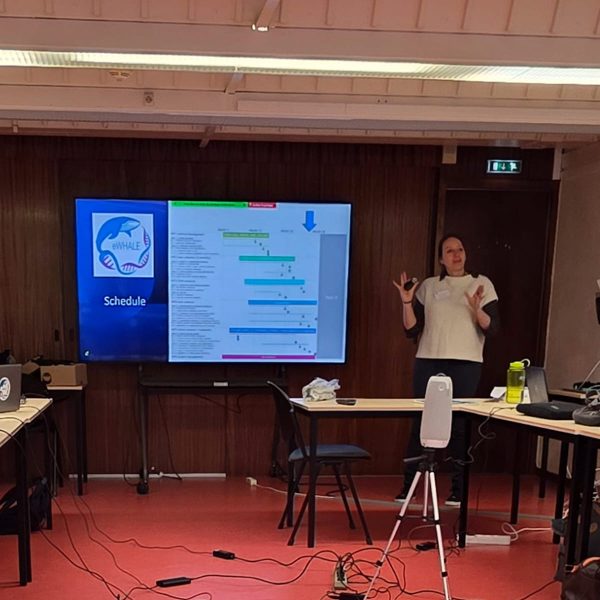
Bettina Thalinger, project coordinator
@Eleonora Barbaccia
Bettina Thalinger, project coordinator


Then the PhD candidates and postdoctoral researchers delivered presentations, sharing field and laboratory outcomes from each country.

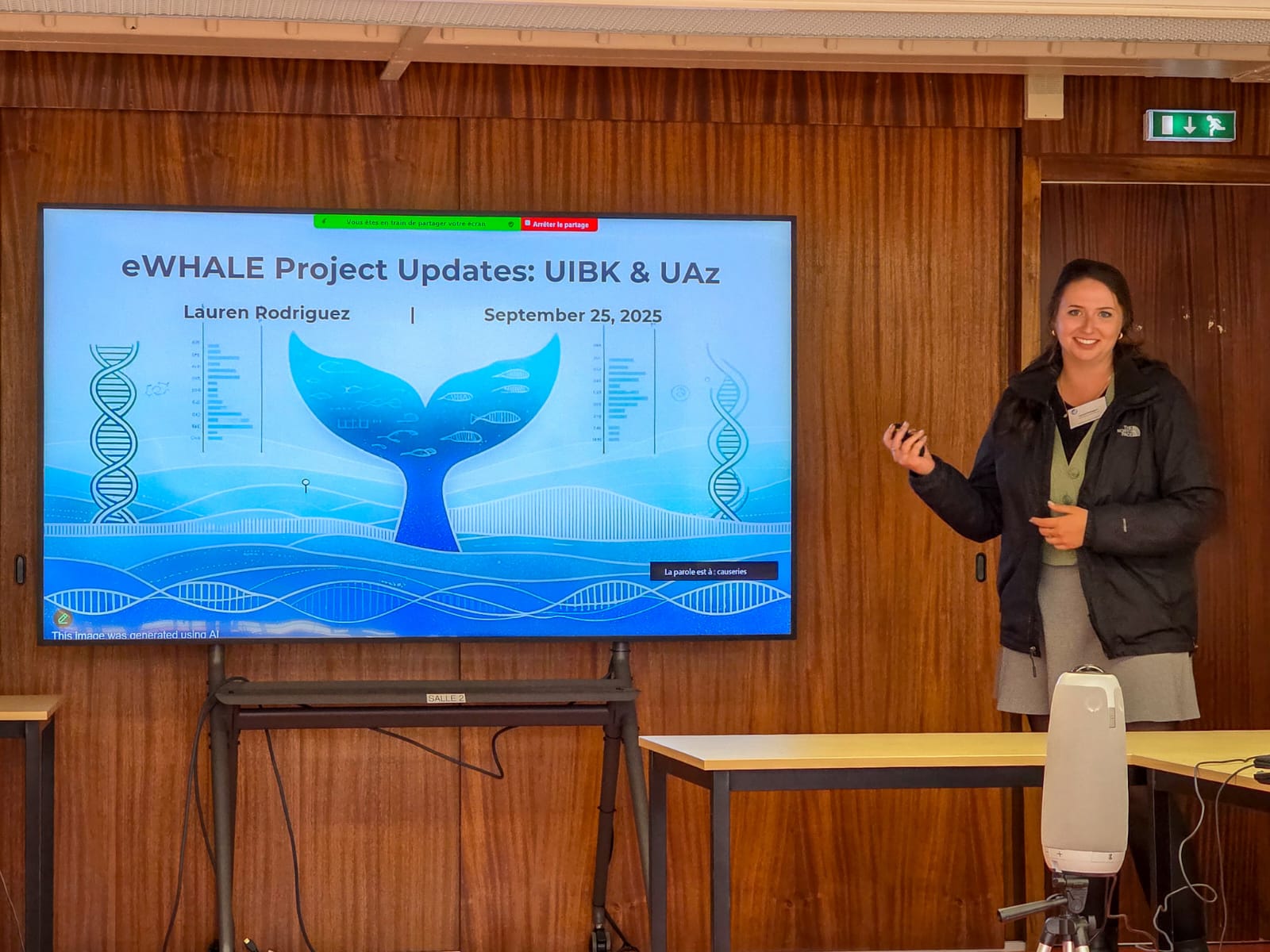
First up, Lauren Rodriguez, a PhD candidate at the University of Innsbruck (Austria), presented findings from the Azores samples, summarised the results achieved, and outlined the next steps.

Lauren Rodriguez
Lauren Rodriguez
@Eleonora Barbaccia
Lauren Rodriguez

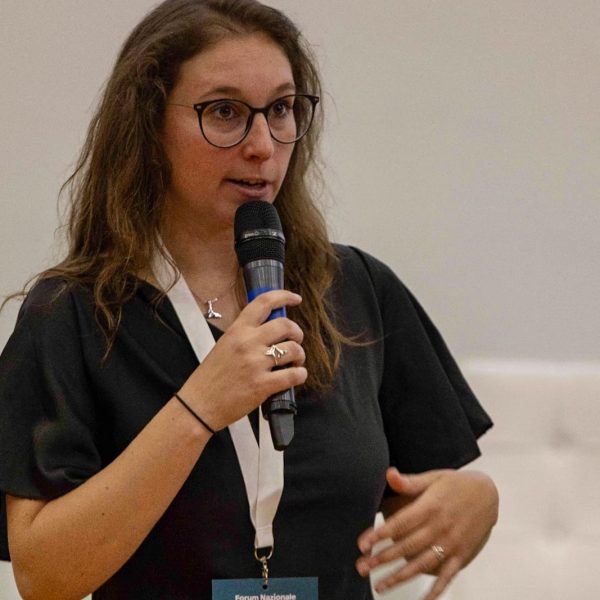
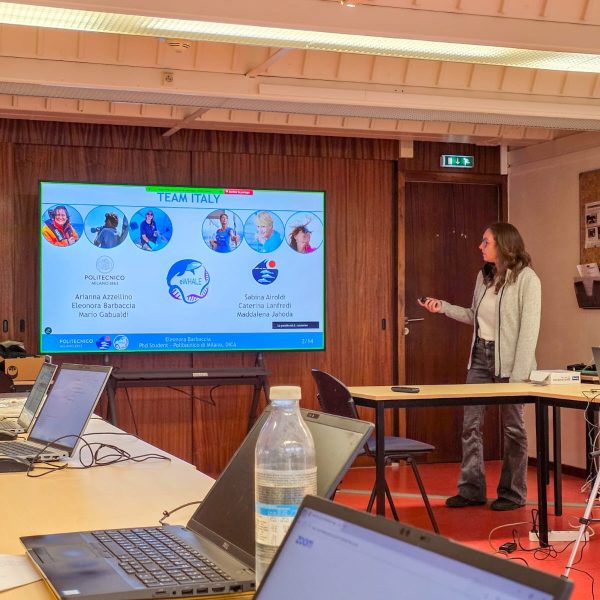
Next, Eleonora Barbaccia, a PhD candidate at Politecnico di Milano (Italy), presented three years of results from Team Italy. She summarised 2023–2025 fieldwork focused on optimising eDNA sampling protocols on whale-watching boats, including tests of different water volumes to maximise DNA detection efficiency. She also reported findings from questionnaire studies administered in 2023–2024 across three eWHALE partner sites, designed to assess and strengthen environmental awareness and citizen-science engagement.
Eleonora Barbaccia
Eleonora Barbaccia
@Mario Gabualdi
Eleonora Barbaccia


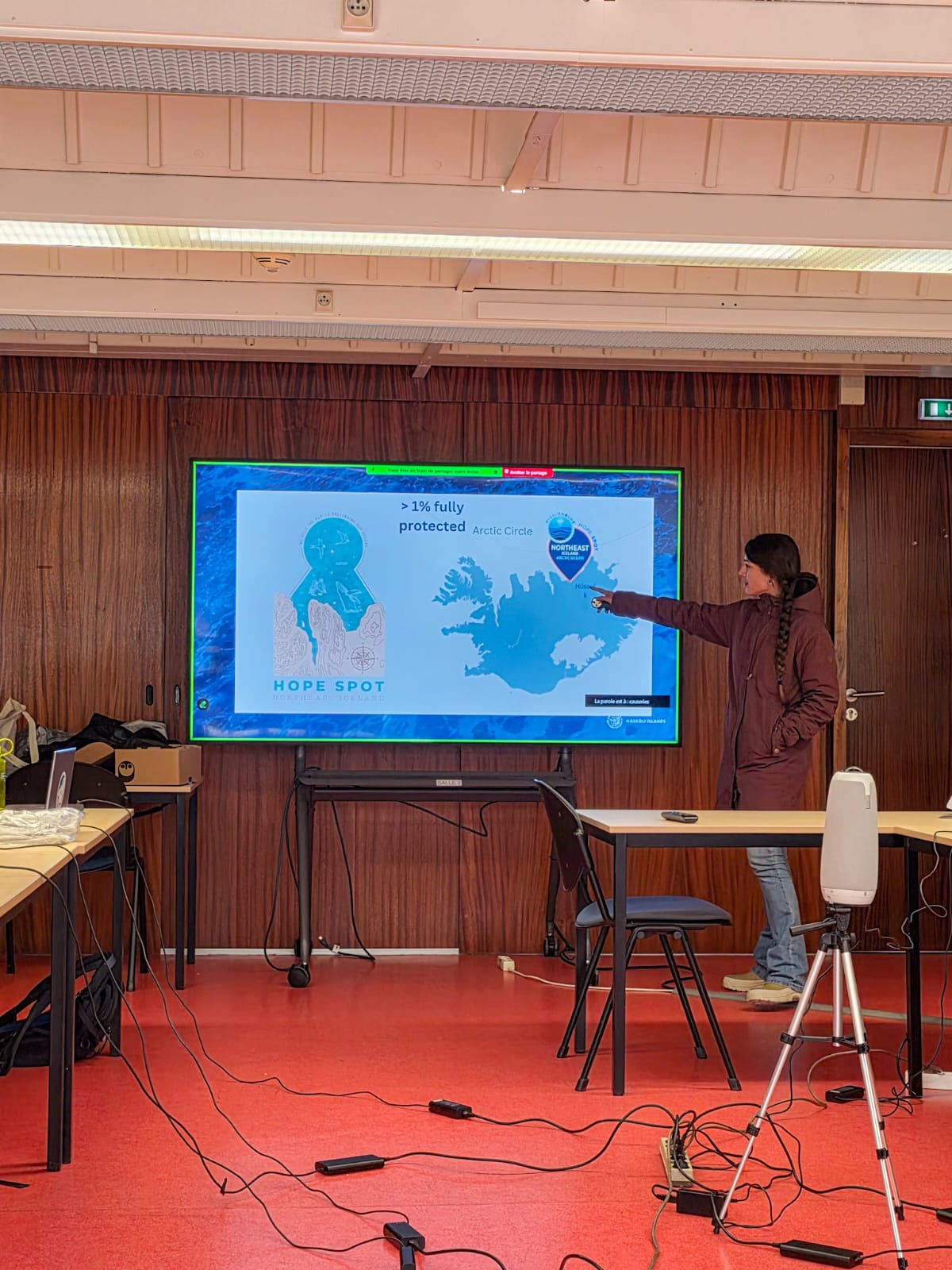
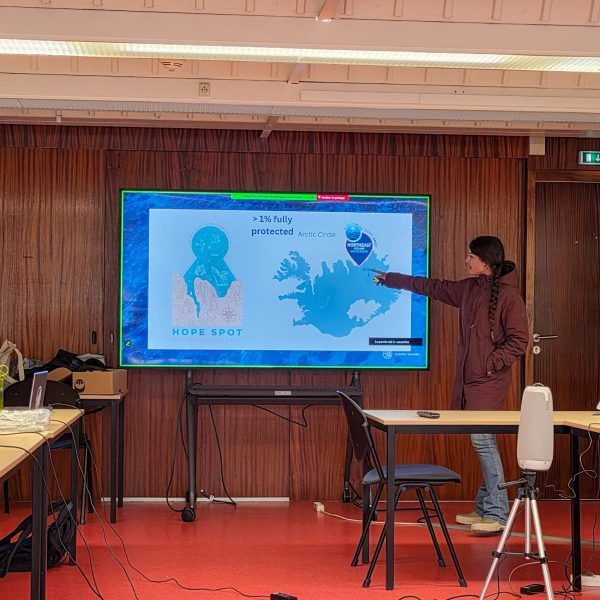
Next, Belén García Ovide, a PhD candidate at the University of Iceland, presented Team Iceland’s results, summarising 2023–2025 fieldwork in Skjálfandi Bay (Húsavík) conducted in partnership with North Sailing, and outlining priorities for 2026.
Belén García Ovide
Belén García Ovide
@Eleonora Barbaccia
Belén García Ovide

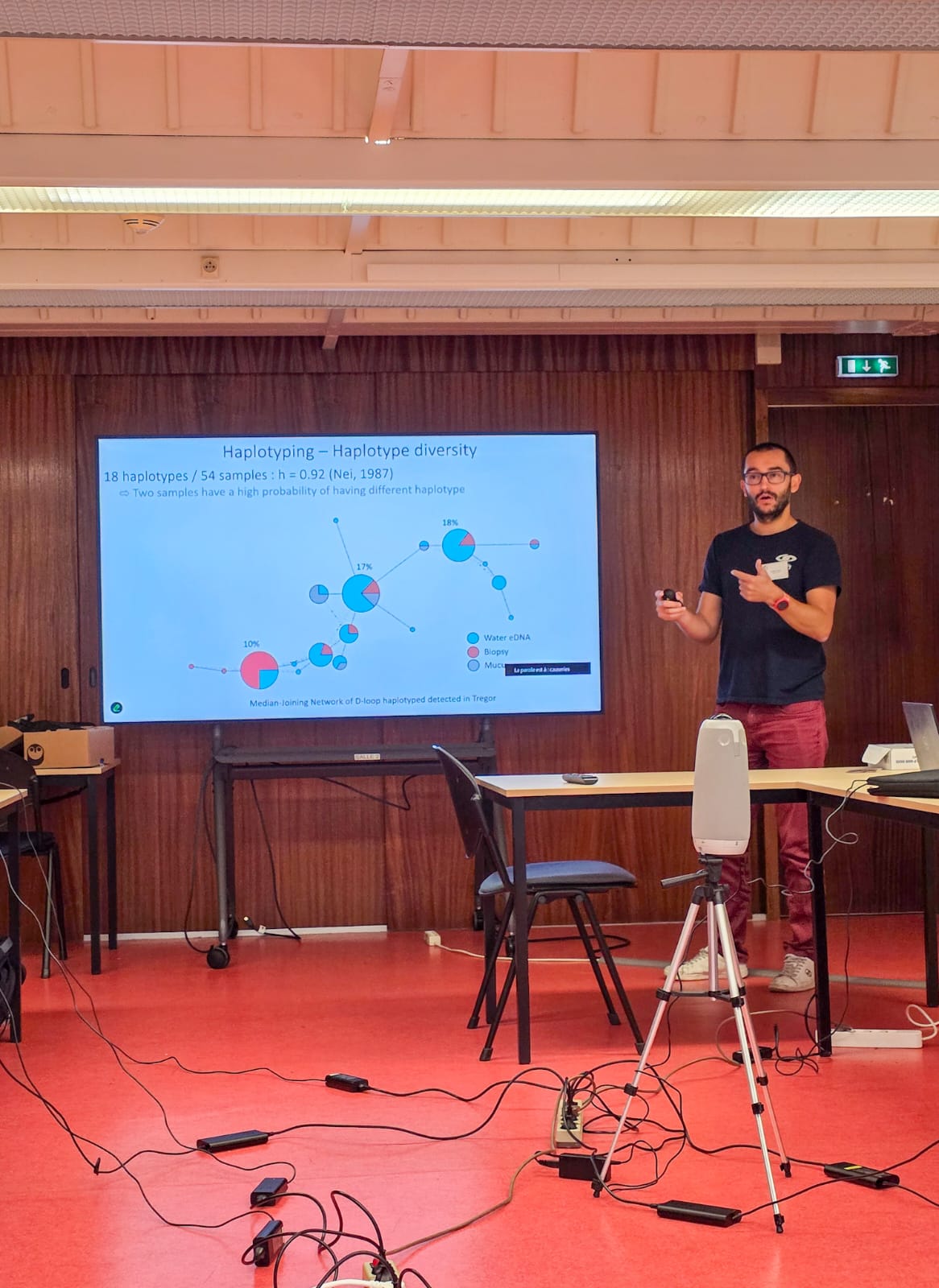
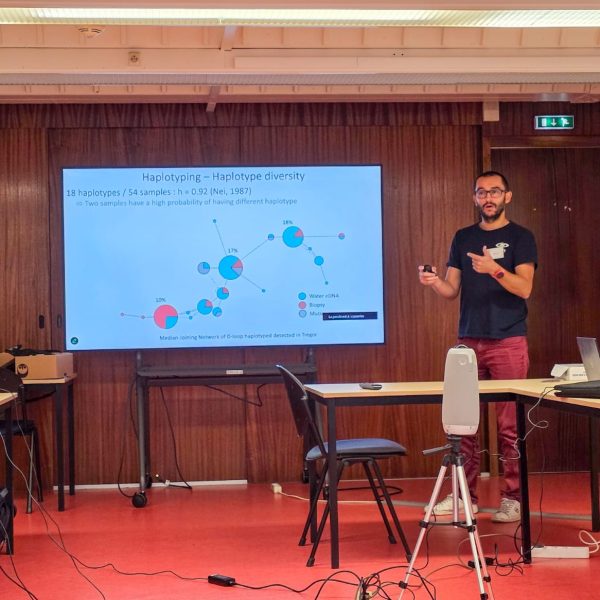
Teddy Urvois, the postdoctoral researcher at INRAE (Rennes, France), presented his latest findings on the population genetics and ecology of porbeagle sharks.
Teddy Urvois
Teddy Urvois
@Eleonora Barbaccia
Teddy Urvois


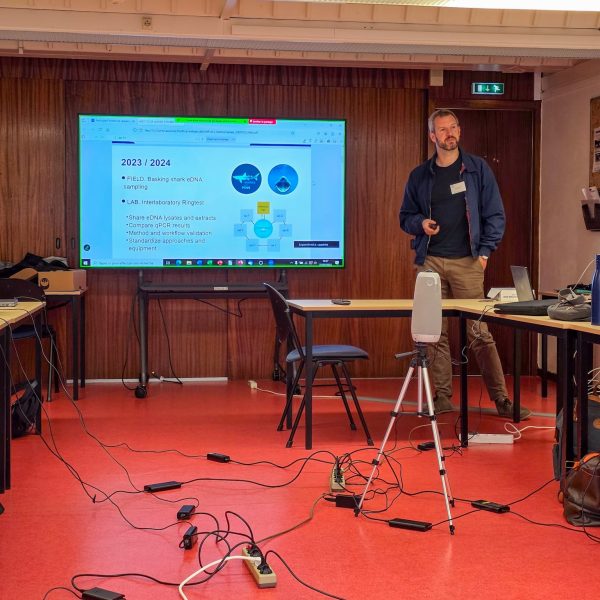
Then, James McKenna, a postdoctoral researcher at Norway’s Institute of Marine Research (IMR), shared three years of sampling updates and presented results from his analyses of whales, basking sharks and their prey, integrating advanced laboratory techniques with computational methods.
James McKenna
James McKenna
@Eleonora Barbaccia
James McKenna


Last but not least, Hayley O’Connell (University College Cork), in partnership with Whale Watch West Cork, presented Team Ireland’s results. The team is utilising eDNA to detect basking sharks (Cetorhinus maximus) in Irish waters and applying DNA metabarcoding to characterise their prey, advancing knowledge to better protect this species along Ireland’s coast.

eWHALE team
eWHALE team
eWHALE team
eWHALE team
eWHALE team
eWHALE team

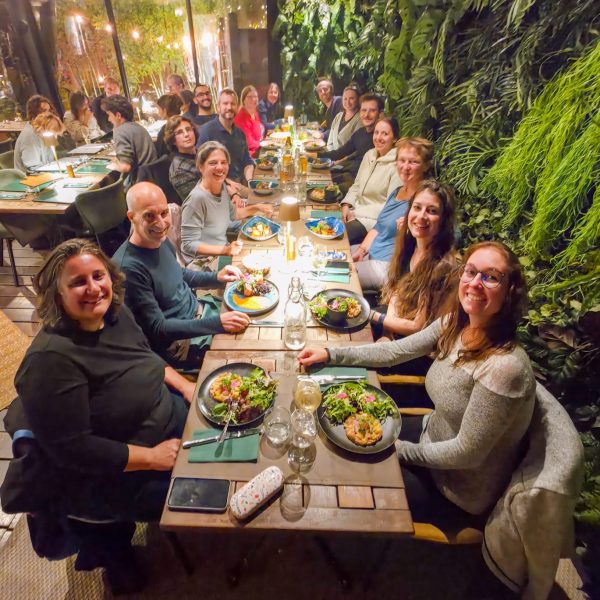
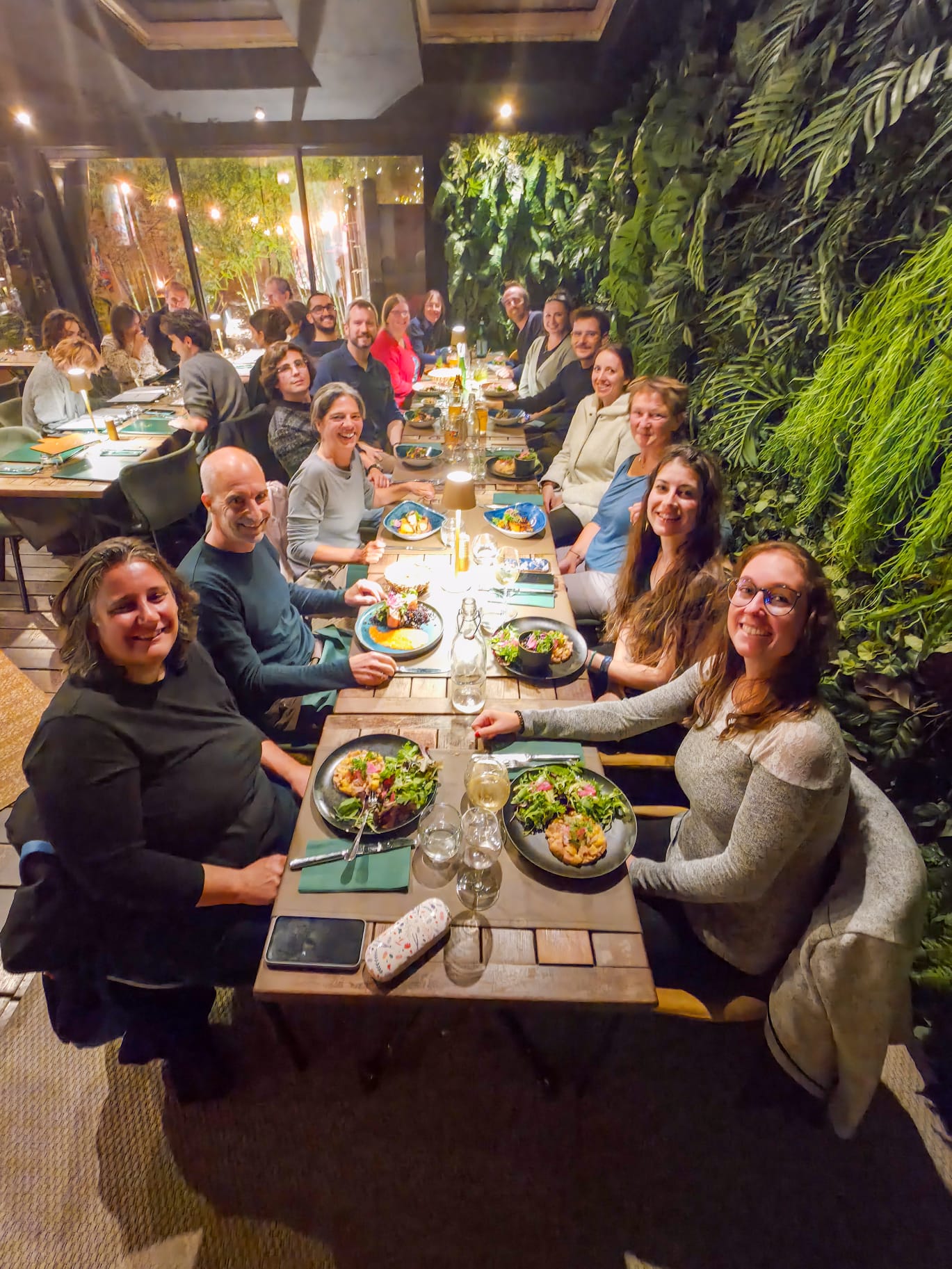
After a day packed with updates and concrete next-step planning, we rounded things off with a team dinner to celebrate the progress made. It was a relaxed evening of good conversation and shared ideas that strengthened collaborations and re-energised us for the final year.

eWHALE team
eWHALE team
eWHALE team

AquaEcOmics 2025: eWhale in Action!

Earlier this March, members of the eWhale project attended the AquaEcOmics 2025 conference in Evian, France. This event brought together leading researchers in the field of aquatic environmental genomics, highlighting advancements in environmental DNA (eDNA) applications for biodiversity monitoring and conservation.

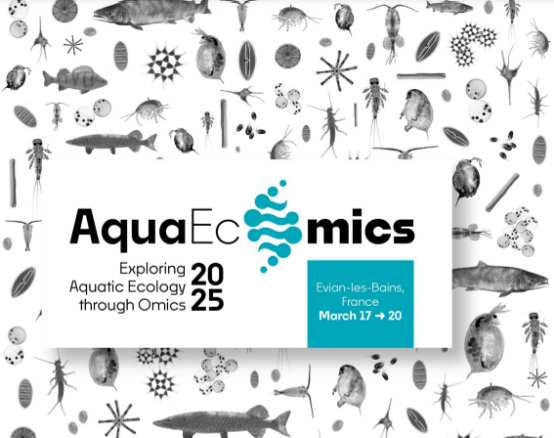
AquaEcOmics Poster by CARRTEL, Université Savoie Mont Blanc, and INRAE

Who attended the conference?

Representing the eWhale project were:

  • Lauren Rodriguez, PhD Candidate at the University of Innsbruck, who presented her work on integrating eDNA sampling with citizen science.
  • Bettina Thalinger, project coordinator, who contributed insights into large-scale eDNA monitoring initiatives.
  • Erwan Quéméré, senior researcher at INRAE, with expertise in genetic biodiversity assessments.
  • Verena Trenkel, senior researcher at IFREMER, specialising in ecological modeling and fisheries science.
Palais Lumière in Evian-les-Bains where the symposium took place

What was the focus of the conference?

AquaEcOmics 2025 explored a variety of topics related to the use of eDNA for monitoring aquatic ecosystems. Key themes included advances in molecular techniques, the role of eDNA in fisheries management, and the integration of citizen science into biodiversity research. The conference provided an excellent opportunity for knowledge exchange and networking with international experts in the field.

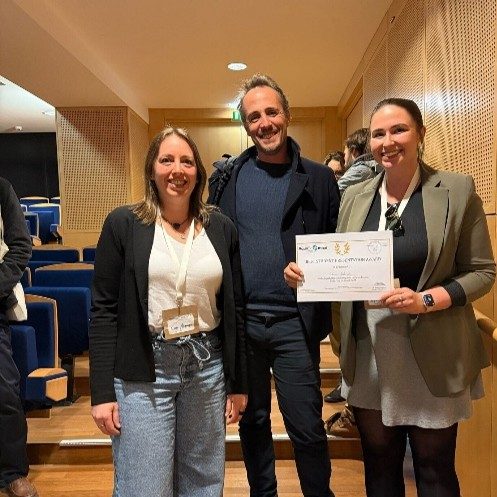
Lauren Rodriguez and her prize for Best Student Presentation Award

What did the eWhale team contribute?

One of the highlights was Lauren Rodriguez’s presentation, “From Whale Watching to Marine Biodiversity Monitoring: Enhancing eDNA Sampling with Citizen Science.” Her talk showcased how non-scientists can actively contribute to marine biodiversity research through eDNA sampling aboard whale-watching vessels. The presentation was well received, earning her the Best Student Presentation Award – a fantastic achievement for both Lauren and the eWhale project!

What were some key takeaways?

  • eDNA is increasingly recognised as a powerful tool for monitoring marine biodiversity, with application extending beyond academic research to policy and conservation efforts.
  • Collaboration between researchers, industry stakeholders, and citizen scientists can enhance the reach and impact of eDNA studies.
  • The integration of advanced bioinformatics and modeling approaches is crucial for making sense of complex eDNA datasets.

What was the best part of AquaEcOmics 2025?

Beyond the scientific sessions, the conference was an excellent chance to connect with fellow researchers and discuss potential collaborations. The picturesque setting of Evian, nestled along Lake Geneva, provided a perfect backdrop for these discussions. The eWhale team left the conference inspired and excited for future research directions in marine biodiversity monitoring.

For more information about the eWhale project, follow us on Instagram [@eWhale.dna].

Lauren Rodriguez giving her presentation

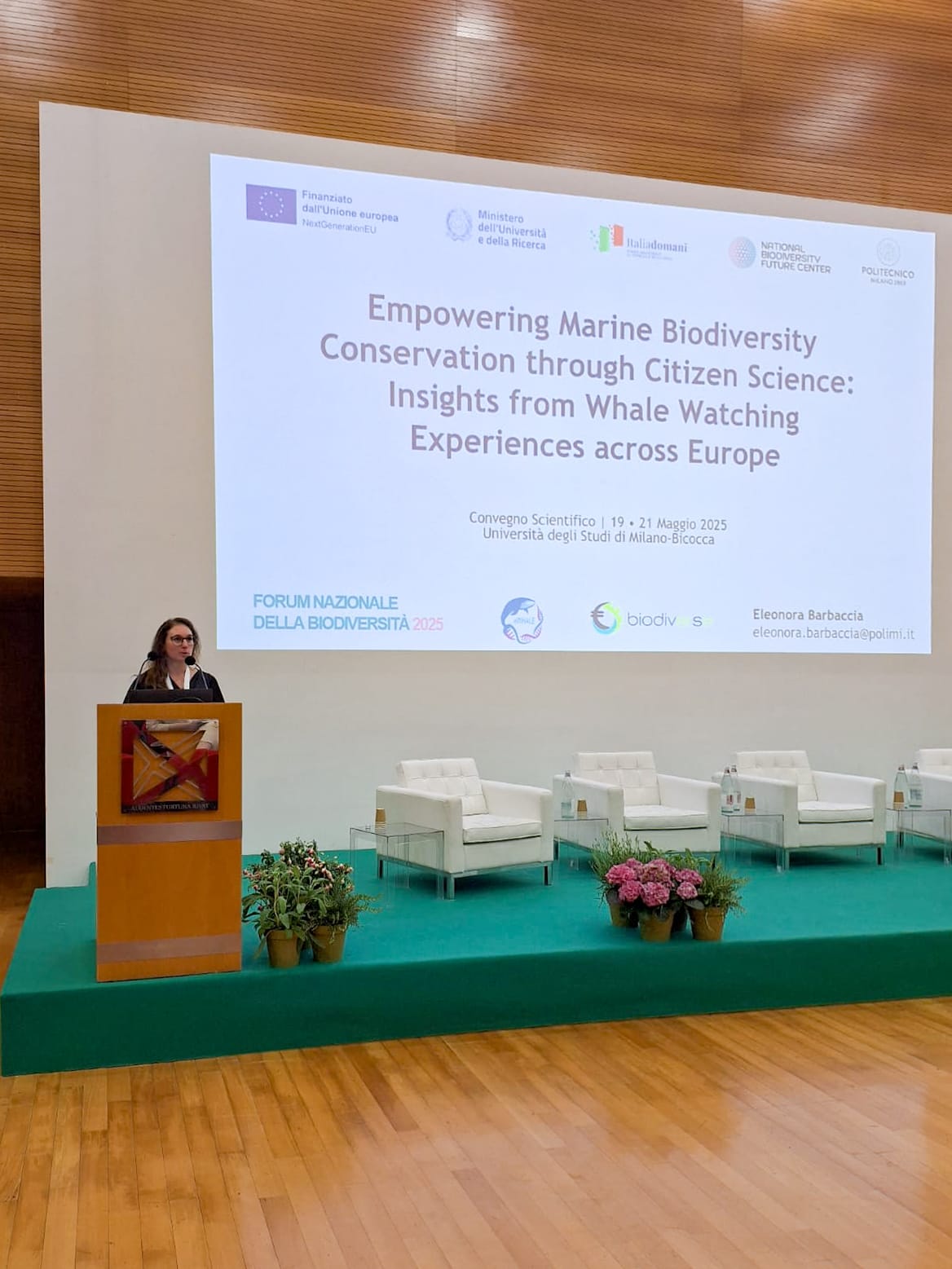
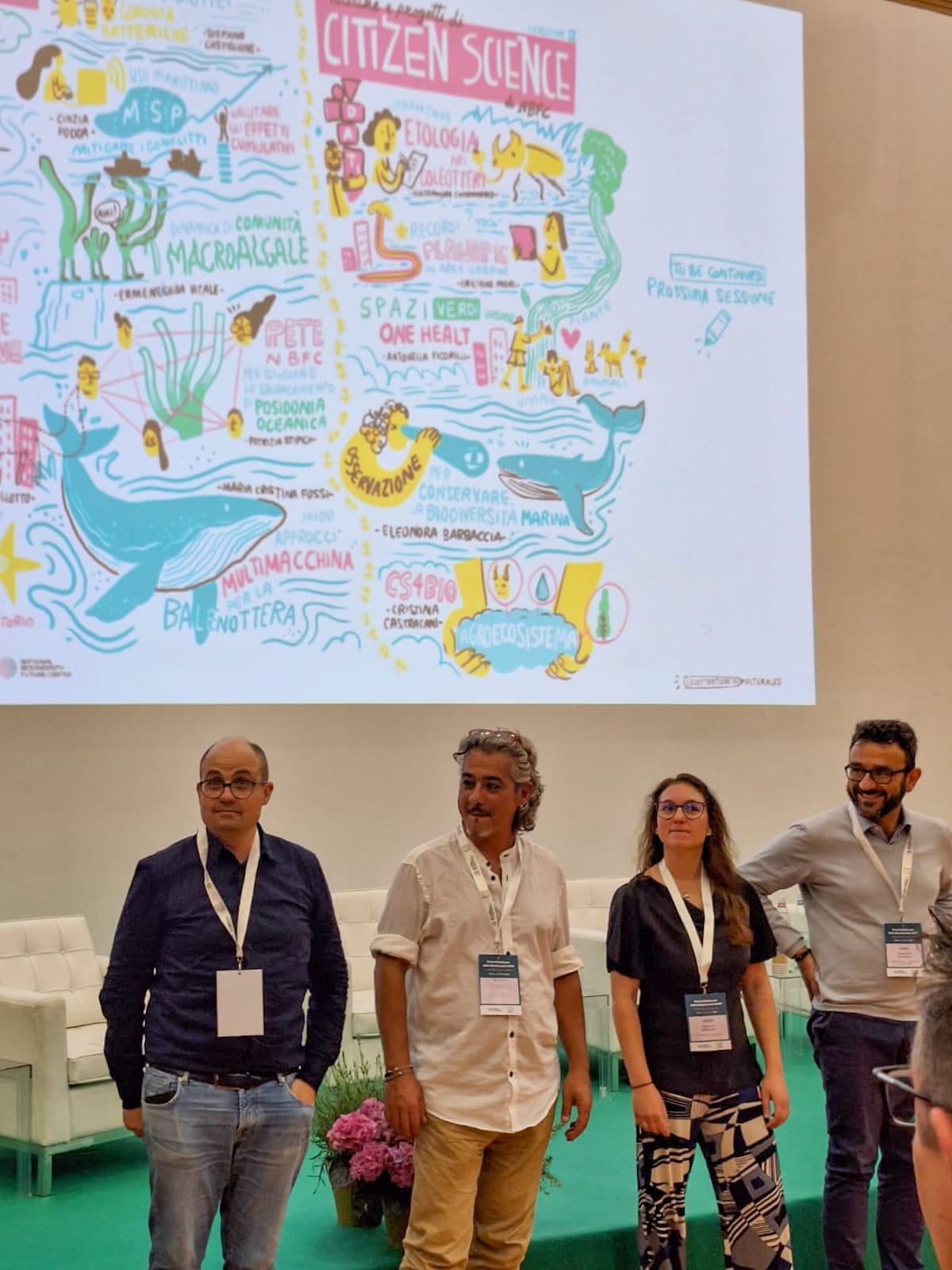
Forum nazionale della biodiversità 2025

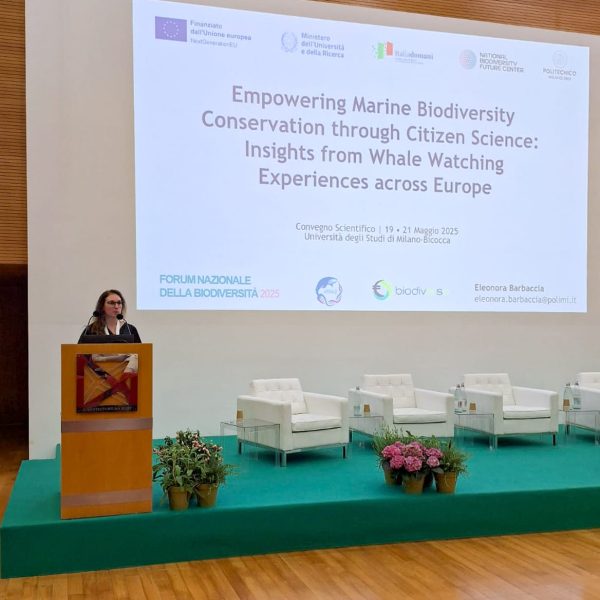
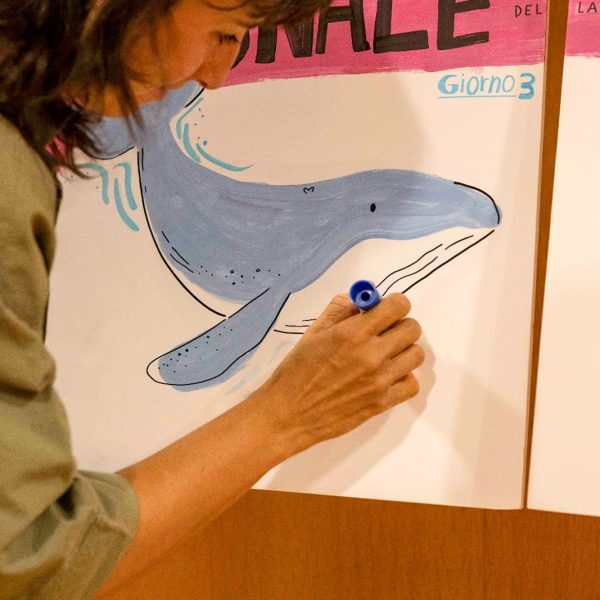
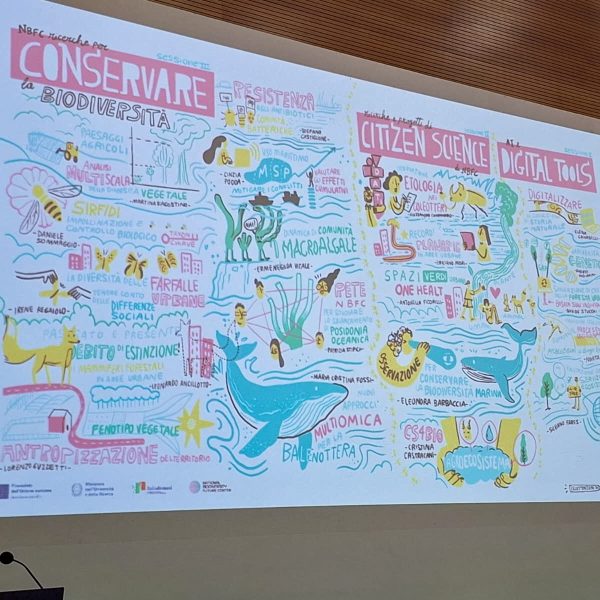
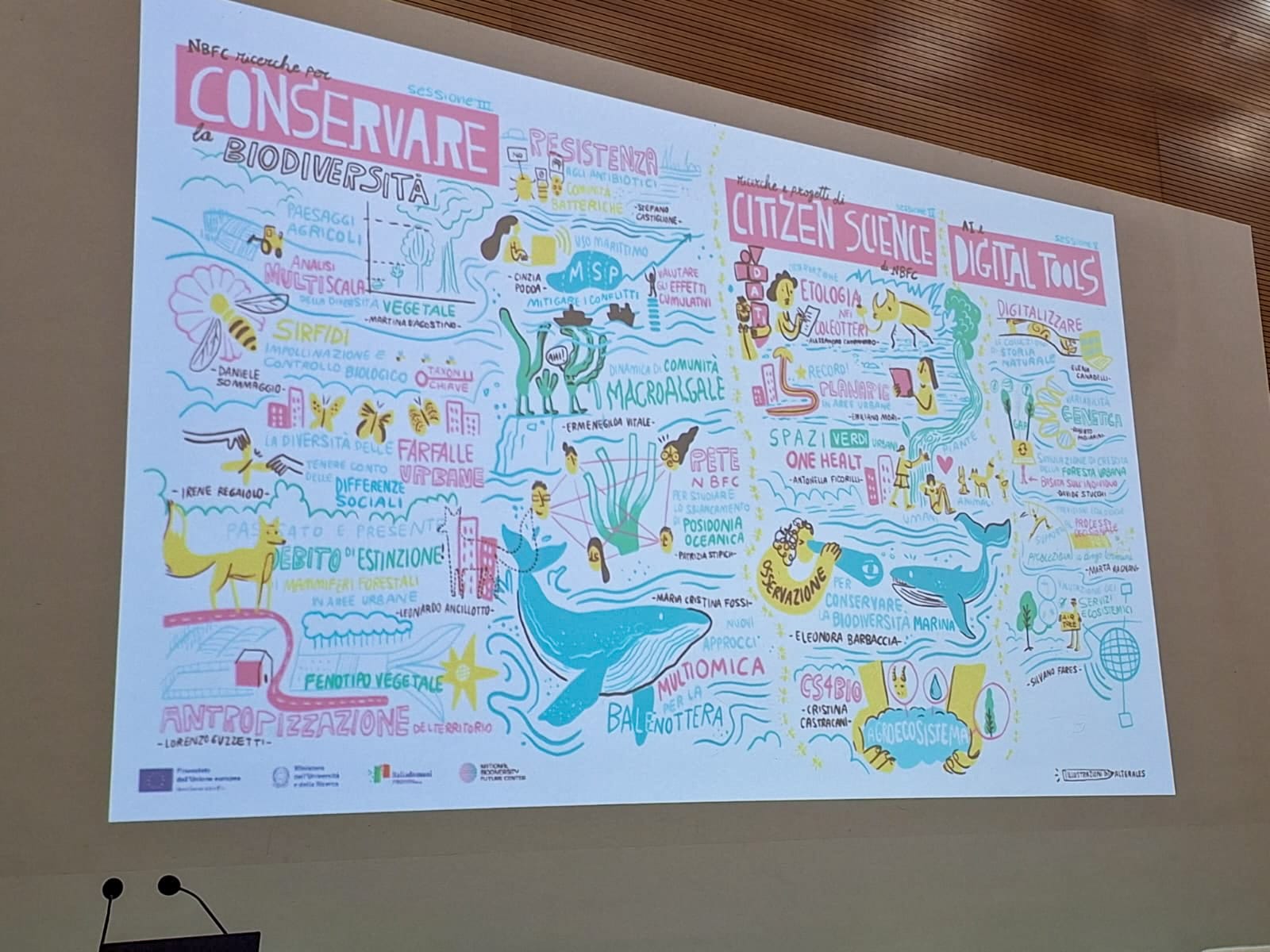
On 20 May 2025, Eleonora Barbaccia, the PhD candidate at Politecnico di Milano (Italy), spoke at the Forum Nazionale della Biodiversità (National Biodiversity Forum 2025) at the University of Milano-Bicocca. Her talk, “Empowering Marine Biodiversity Conservation through Citizen Science: Insights from Whale-Watching Experiences across Europe,” presented results from questionnaires administered to citizen scientists during the 2024 eWHALE eDNA sampling campaign, assessing willingness to participate in marine conservation.

The study combined eDNA sampling with whale-watching and citizen-science activities across the Pelagos Sanctuary (Italy), Pico Island (Azores) and Skjálfandi Bay (Iceland). Factor and cluster analyses identified five participant profiles; the most committed group tended to be younger and highly educated. Overall, about 80% reported a positive willingness to contribute to marine conservation.

Logistic regression indicated that environmental awareness and education level positively predicted willingness to pay, while ticket price was a negative predictor.

These findings underscore that whale watching is more than tourism: it can catalyse meaningful connection, scientific engagement and collective action for conservation.

Grateful thanks to our collaborators and partners who made this work possible.

@Eleonora Barbaccia
@Eleonora Barbaccia
@Eleonora Barbaccia
@Eleonora Barbaccia
@Eleonora Barbaccia

European Cetacean Society 2025

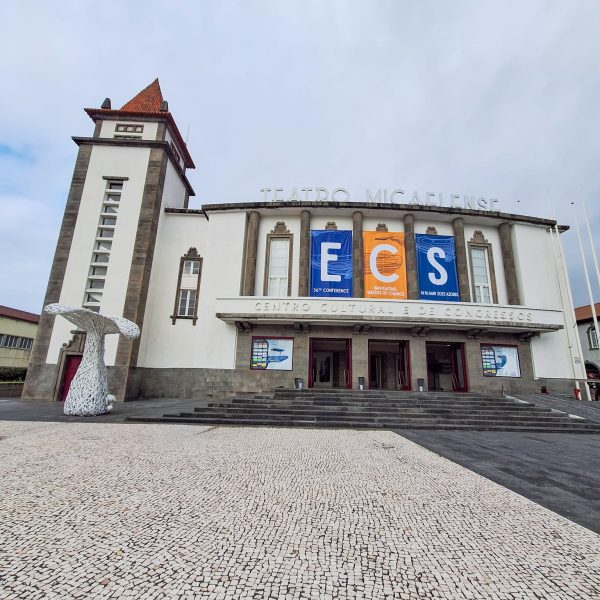
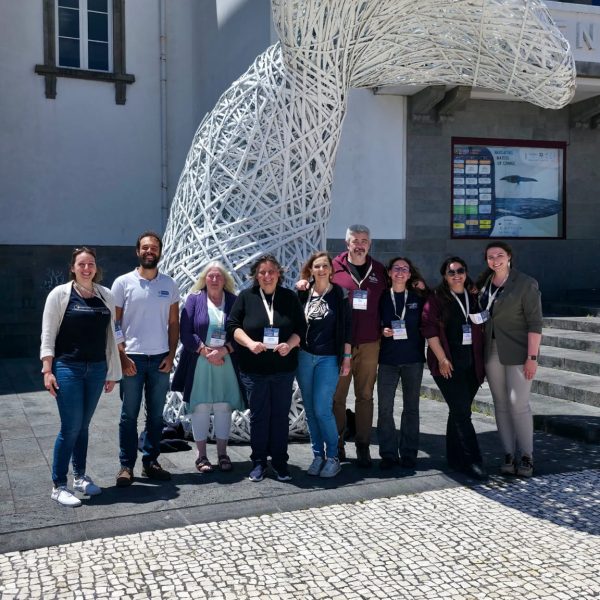
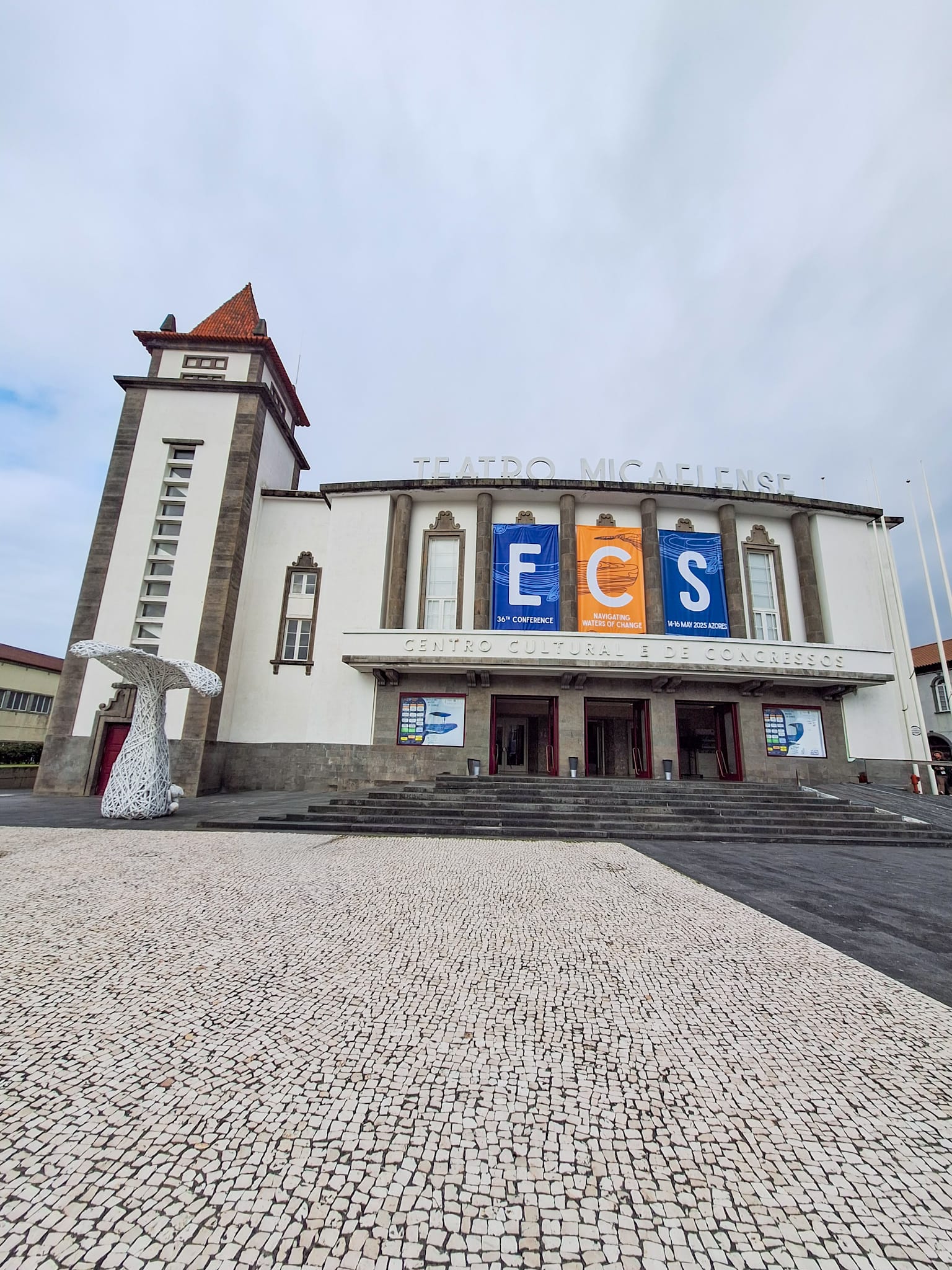
From 12 to 16 May 2025, the eWHALE team joined the 36th European Cetacean Society (ECS) "Navigating waters of change" in Ponta Delgada (Azores), presenting two posters and a 15-minute talk. Our contributions highlighted progress on eDNA sampling from whale-watching platforms, collaboration with operators and citizen scientists, and emerging insights into marine biodiversity of the Atlantic Ocean and the Mediterranean Sea.

The conference programme also included a pre-conference workshop titled “From Genes to Whales: the use of genetic tools for the study of cetaceans”, held on 13 May at Clube Naval de Ponta Delgada.

Our eWHALE team attended the session, which was led by Laura Miralles (Universidad de Oviedo) and explored how different genetic tools can be used to study whales and dolphins and support their conservation. Starting from basic genetic concepts and moving towards cutting-edge techniques, the workshop covered species and sex identification, population genetics, environmental DNA, massive sequencing approaches, qPCR, ddPCR and more. Designed to be accessible to both beginners and experienced researchers, it offered a very practical overview of which genetic methods are most suitable to answer specific biological questions about cetaceans.

It was a great opportunity to exchange ideas, strengthen partnerships and share our work with the cetacean research community.

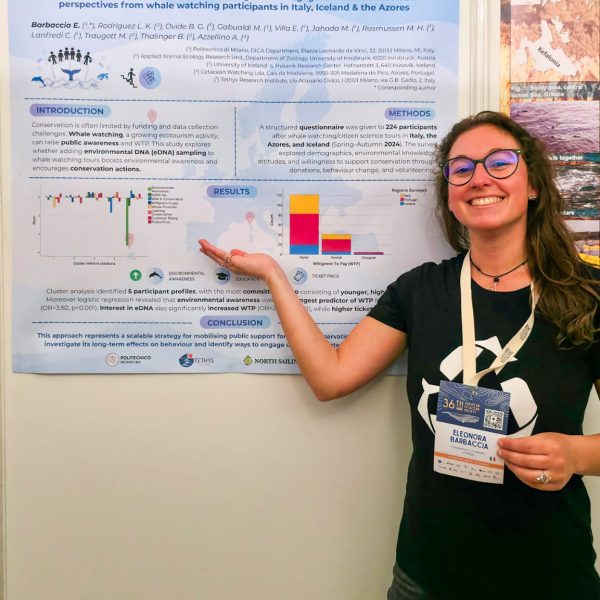
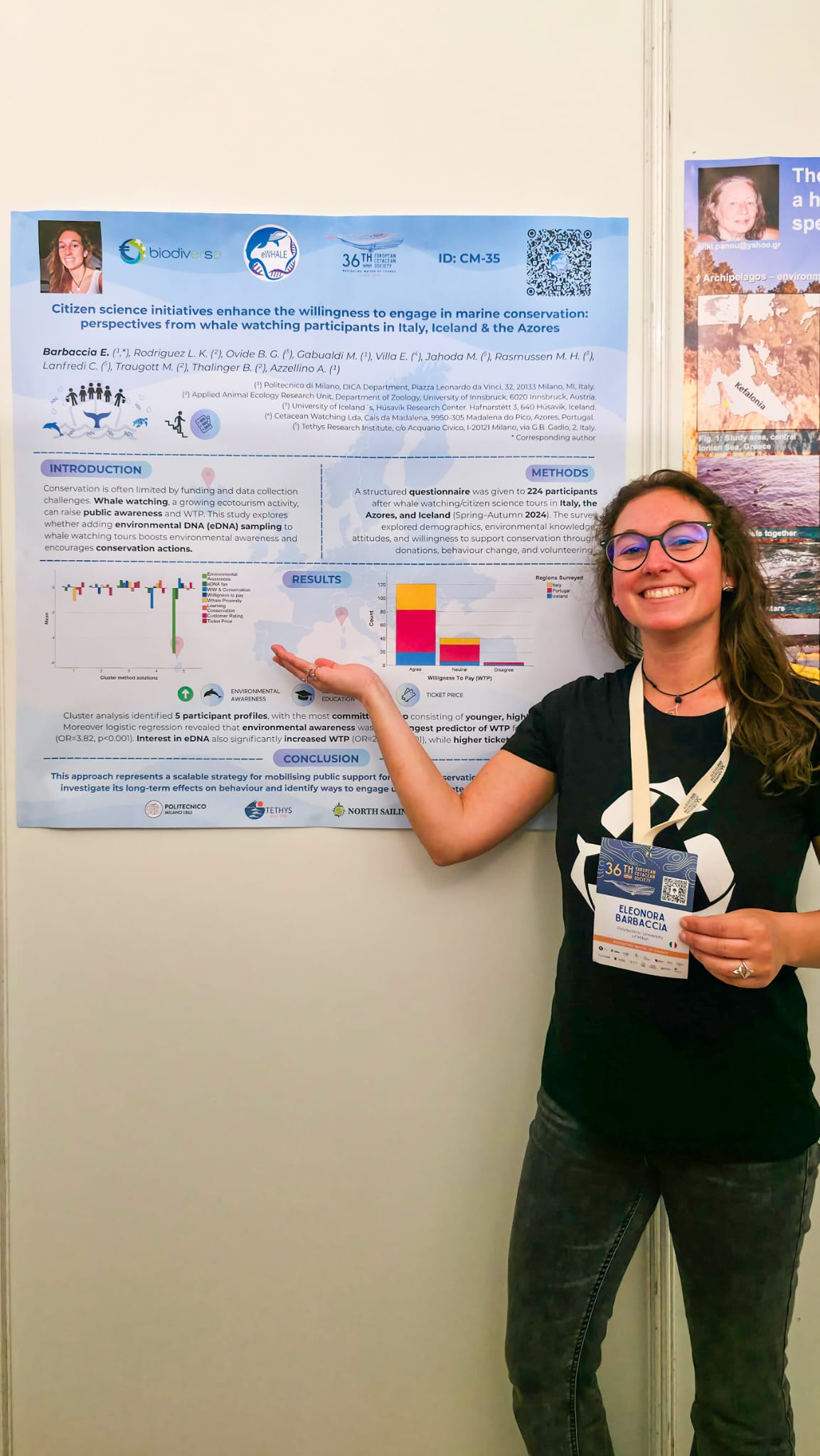
At ECS 2025, Eleonora Barbaccia presented the poster entitled “Citizen science initiatives enhance the willingness to engage in marine conservation: perspectives from whale-watching participants in Italy, Iceland and the Azores.

We surveyed 224 participants during 2024 eWHALE campaigns across the Pelagos Sanctuary, Pico Island and Skjálfandi Bay, combining eDNA sampling with structured questionnaires to assess willingness to participate for conservation.

Factor and cluster analyses identified five participant profiles, with the most committed group being younger and highly educated; overall, about 80% expressed a positive willingness to contribute. Logistic regression indicated that environmental awareness and education predicted higher willingness to pay, while ticket price had a negative effect.

The study highlights whale watching as a powerful platform to build knowledge, mobilise public support and guide targeted outreach, with next steps focusing on behaviour change and engaging under-represented groups.

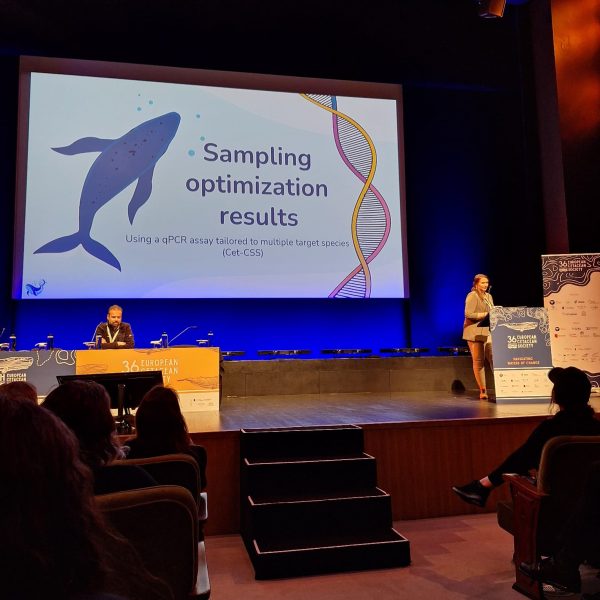
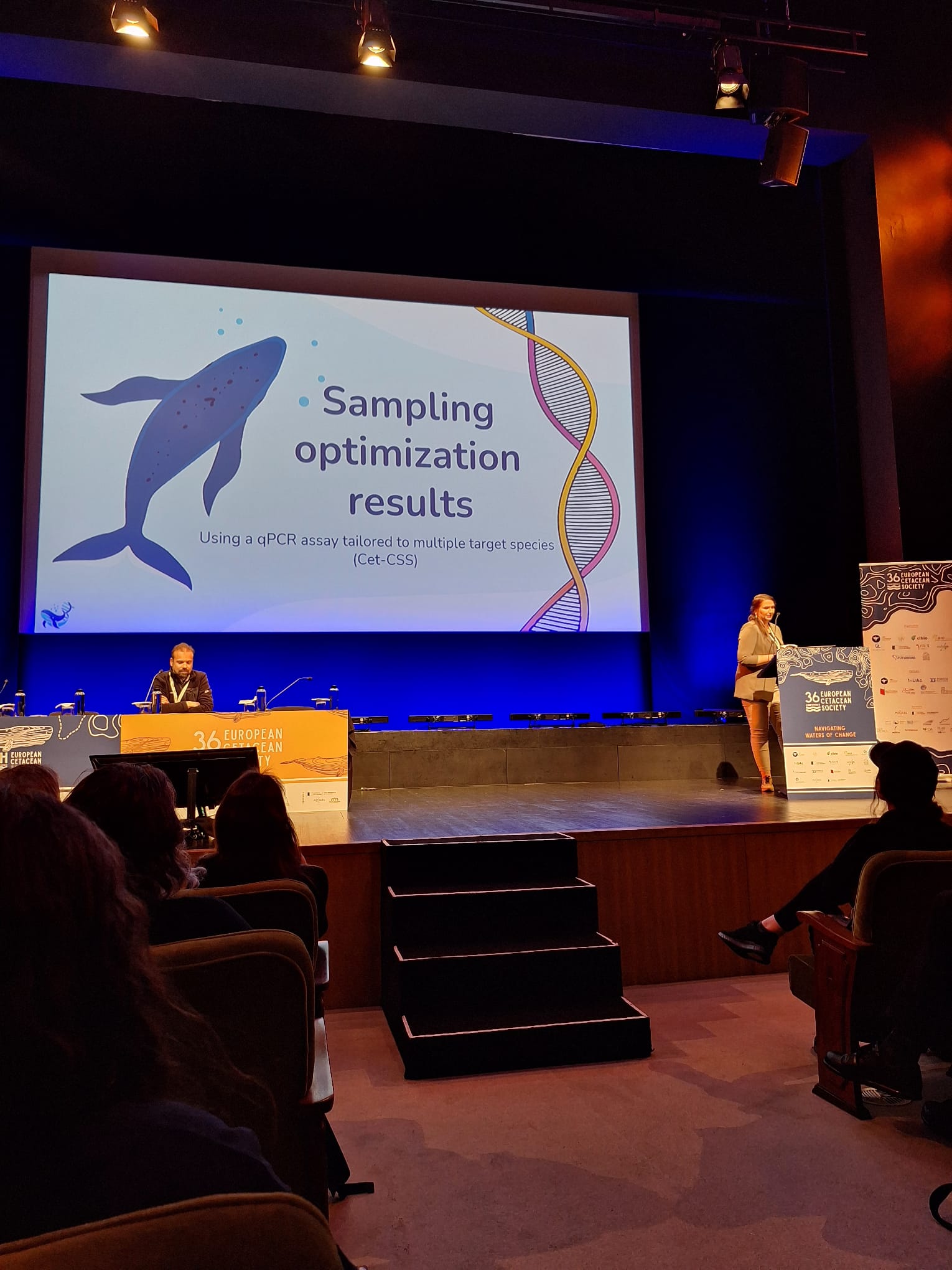
At ECS 2025, Lauren Rodriguez, the PhD student at University of Innsbruck (Asutria), delivered the talk “From fluke to food web: internationally optimised eDNA sampling protocol for whale-watching platforms reveals marine ecological networks in the Azores”.

She showed how harmonising protocols across three operators in the Atlantic and Mediterranean enables consistent, cost-effective monitoring: in 2023, 142 samples tested water volume (2–10 L), sampling timing (immediately to 20 min post-encounter) and filter pore size (three types).

Linear mixed models indicated that 10 L, immediate post-encounter sampling and 1.2 µm filters significantly improved detection probability and signal (p < 0.05). Applying the optimised protocol in 2024 (150 samples) around the Azores, metabarcoding captured cetaceans, their prey (e.g., small pelagic fish and krill), co-occurring vertebrates and key planktonic metazoans, revealing food-web structure and underscoring the potential of whale-watching operations for large-scale biodiversity monitoring to inform conservation.

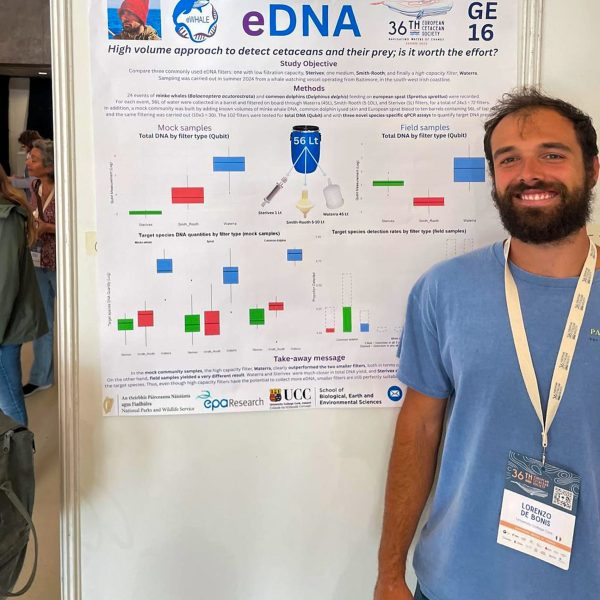
PhD student Lorenzo De Bonis (University College Cork, Ireland) joined the meeting with a poster asking a very practical question for anyone doing eDNA at sea: is it really worth going for high-volume filtration when sampling cetaceans and their prey from small and medium boats? To tackle this, Lorenzo compared three commonly used filter types – Sterivex (low volume), Smith-Rooth (medium volume) and Waterra (high volume) – during whale-watching cruises off Baltimore, on the south-west coast of Ireland. Across 24 feeding events of minke whales and common dolphins on European sprat, 56 litres of seawater were collected each time and split in parallel across the three filters, generating 72 field samples. An additional 30 filters came from controlled “mock community” barrels spiked with known amounts of DNA from the same species. All 102 filters are now being tested with species-specific qPCR assays, comparing not only detection rates and DNA yield, but also practical aspects such as filtration time, clogging, ease of use and inhibitor carry-over. The results will help the eDNA community understand when high-volume sampling really adds value, and when smaller, simpler filters may be just as effective.

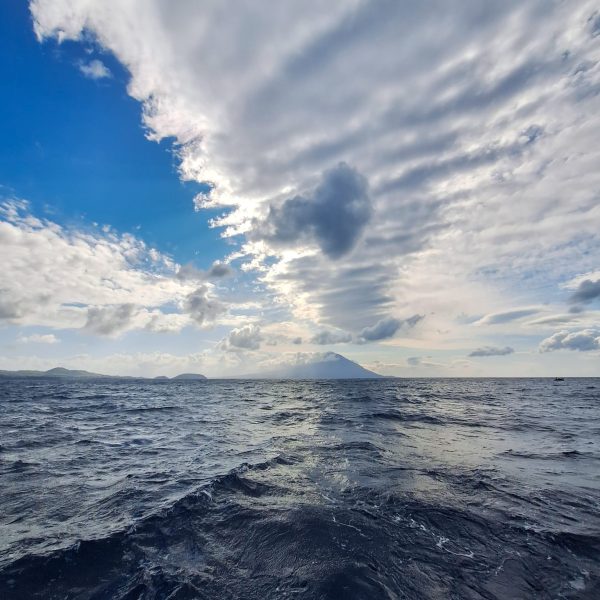
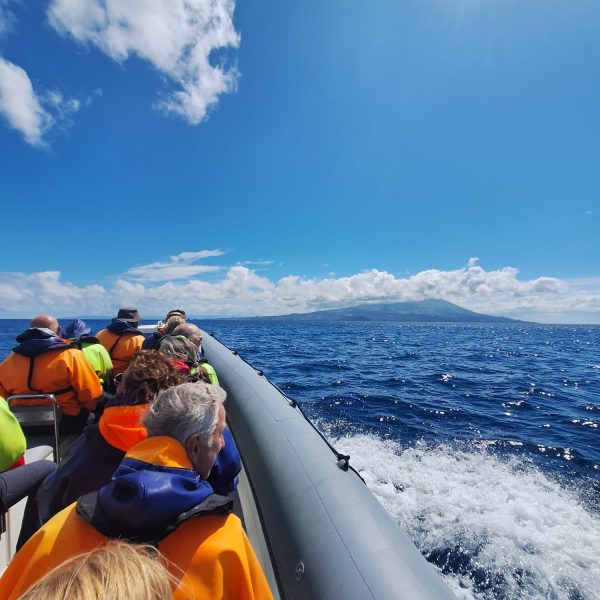
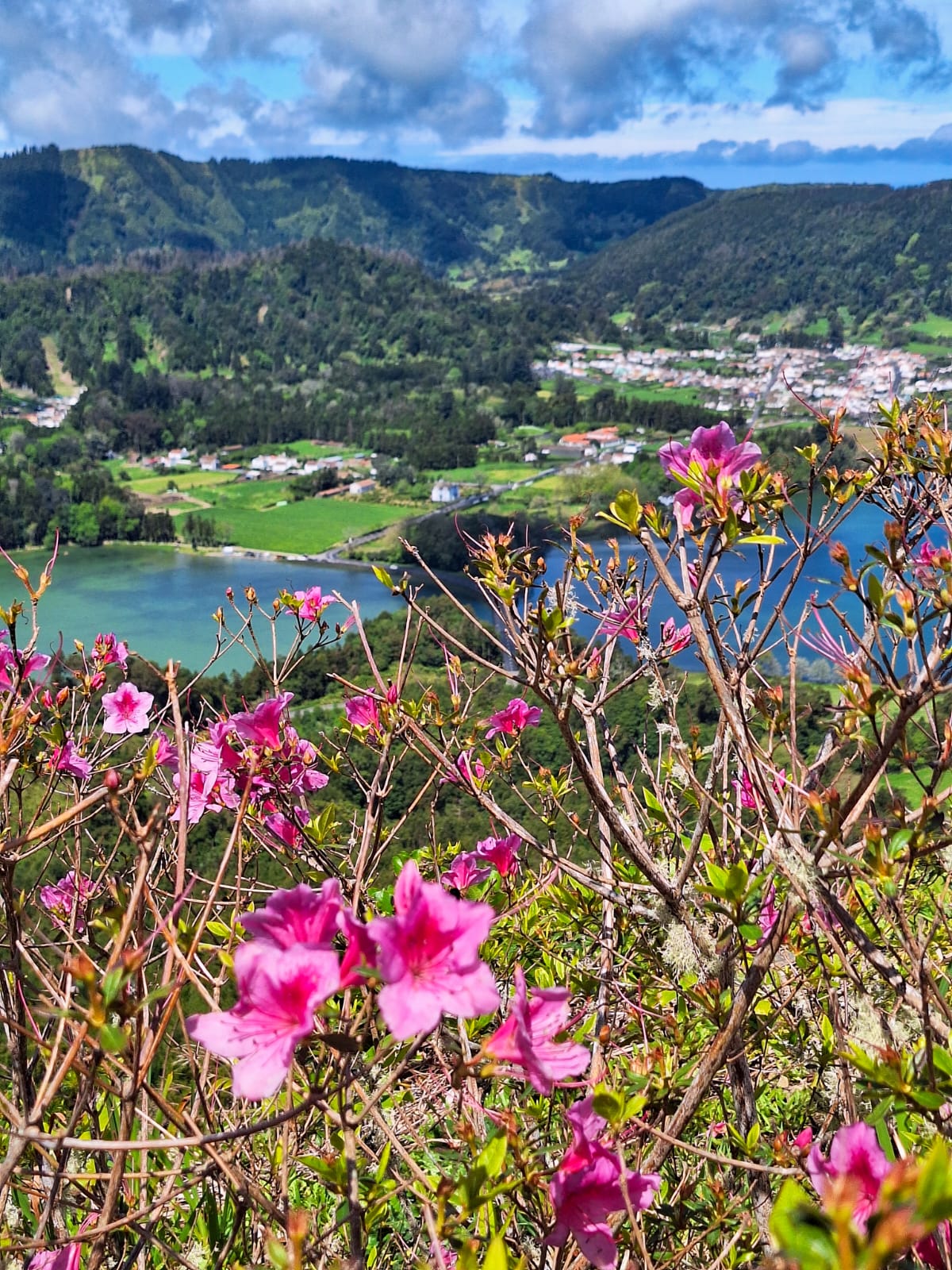
In the days before and after the conference, the eWHALE team took time to explore São Miguel and its waters and respectful, well-distanced encounters with cetaceans and seabirds. Among volcanic craters, lagoons and dramatic cliffs. A restorative pause that reminded us why these ecosystems deserve careful protection.

en_CAEnglish