Written by Eleonora Barbaccia, PhD Student at Politecnico di Milano
Which species were you targeting and why?
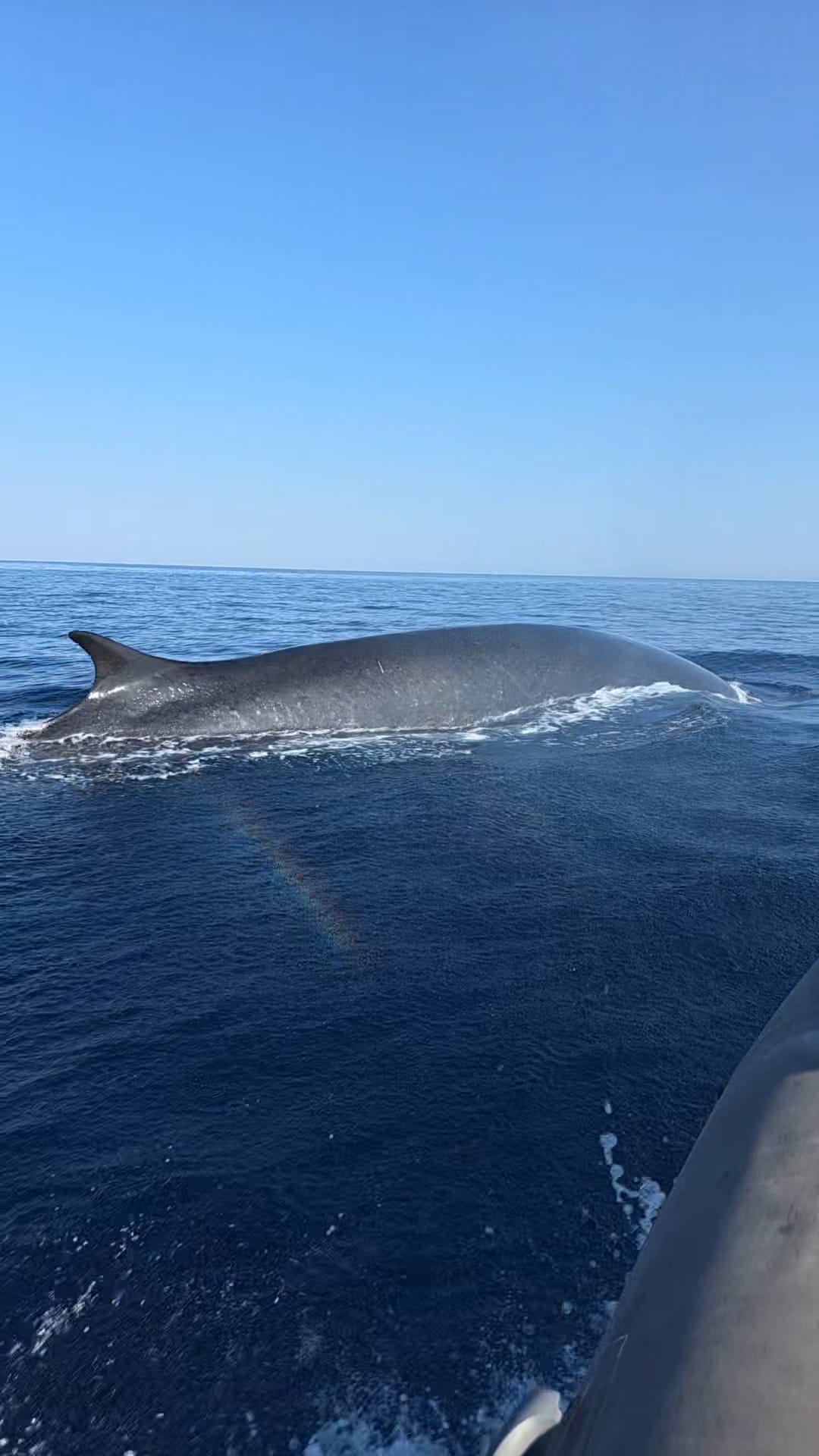
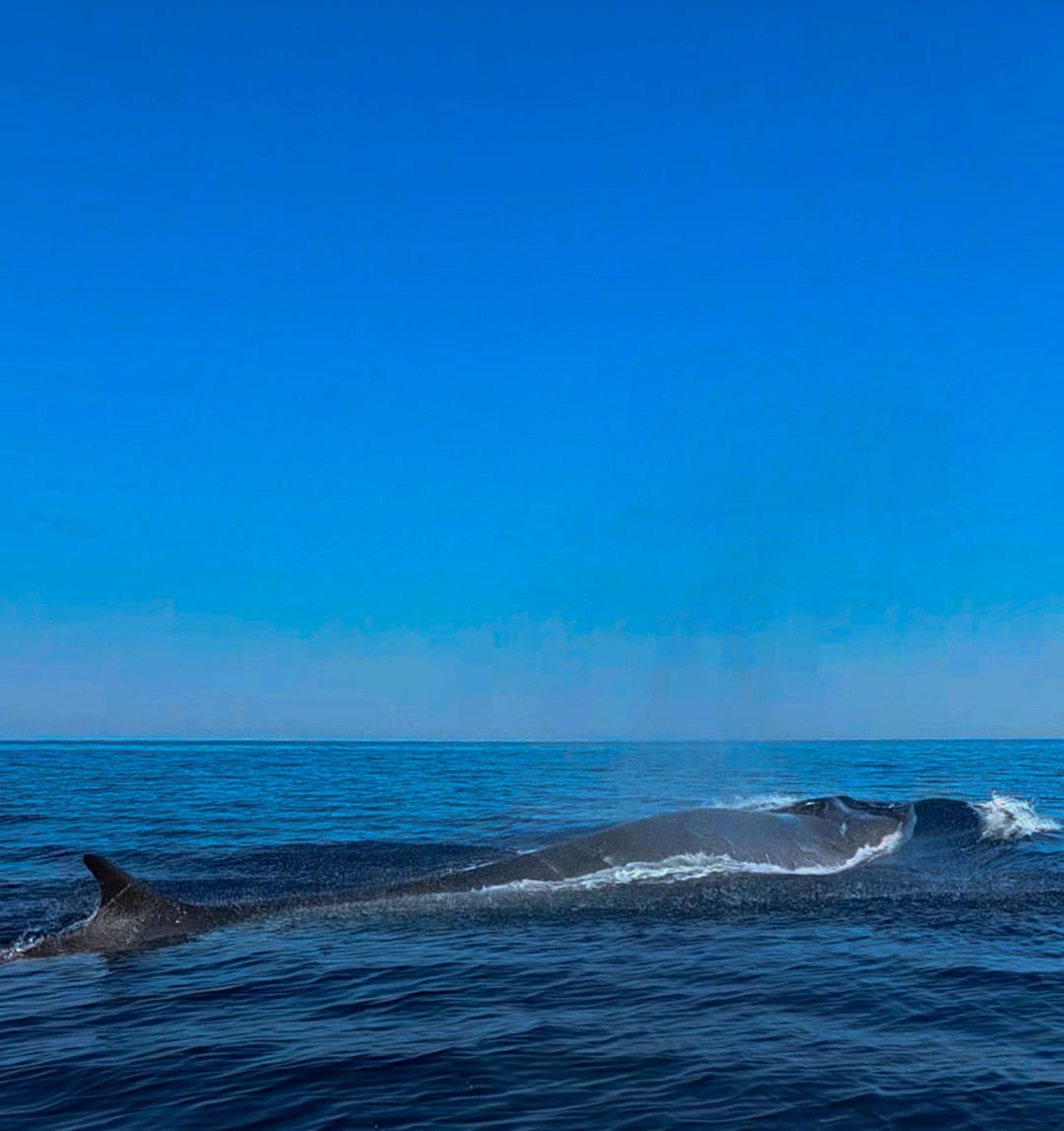
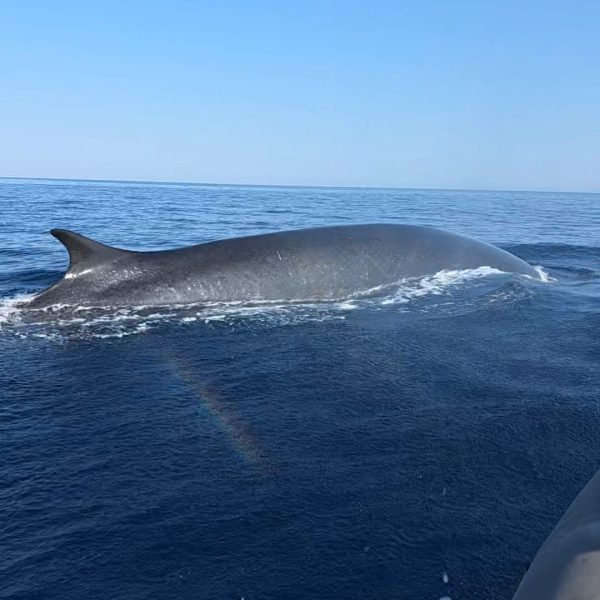
For the final eWHALE sampling campaign, the target species was the fin whale (Balaenoptera physalus), with the specific aim of investigating its population genetic structure in the Mediterranean Sea.
How many litres of water did you collect and which eDNA filters were used?
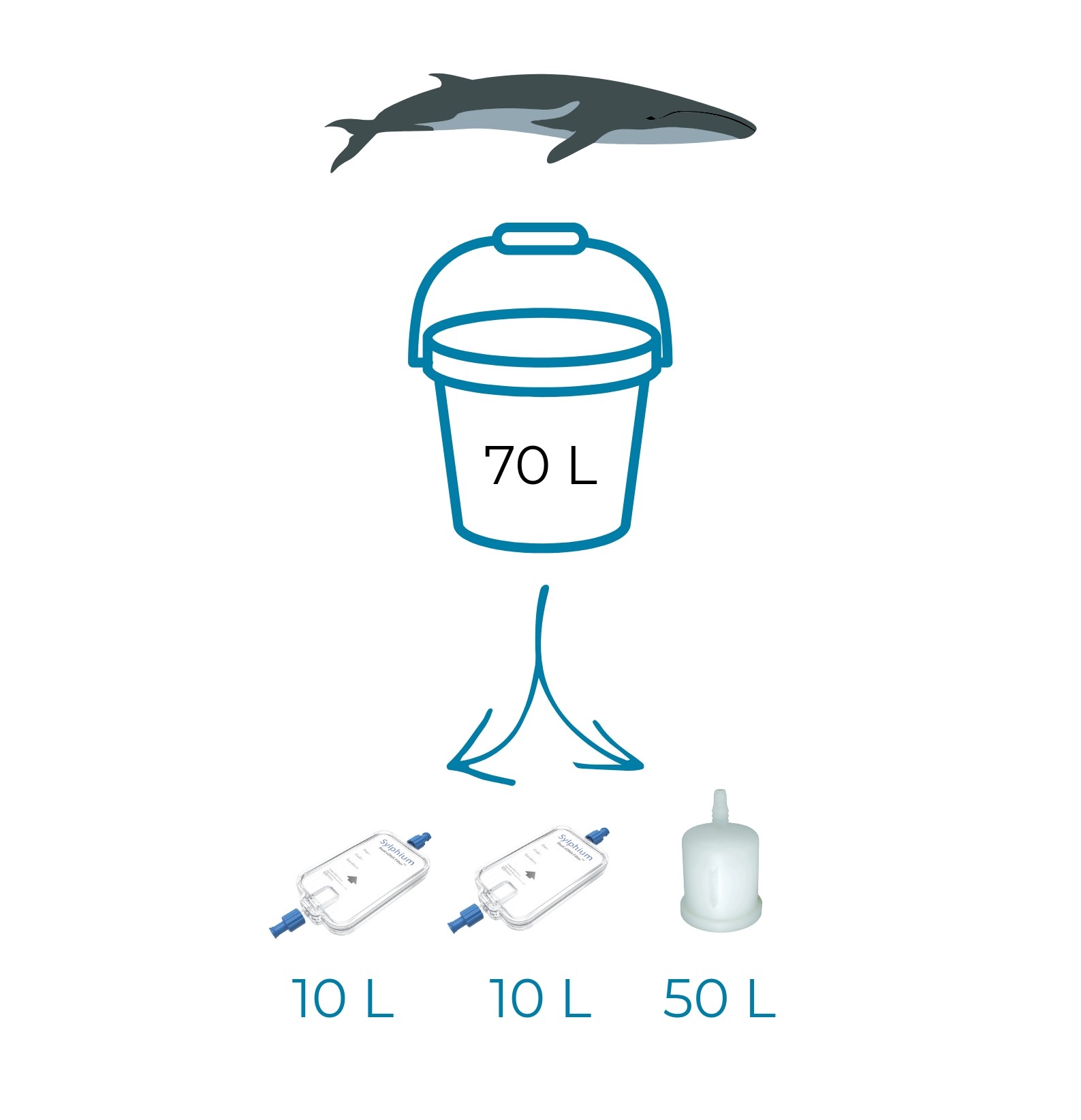
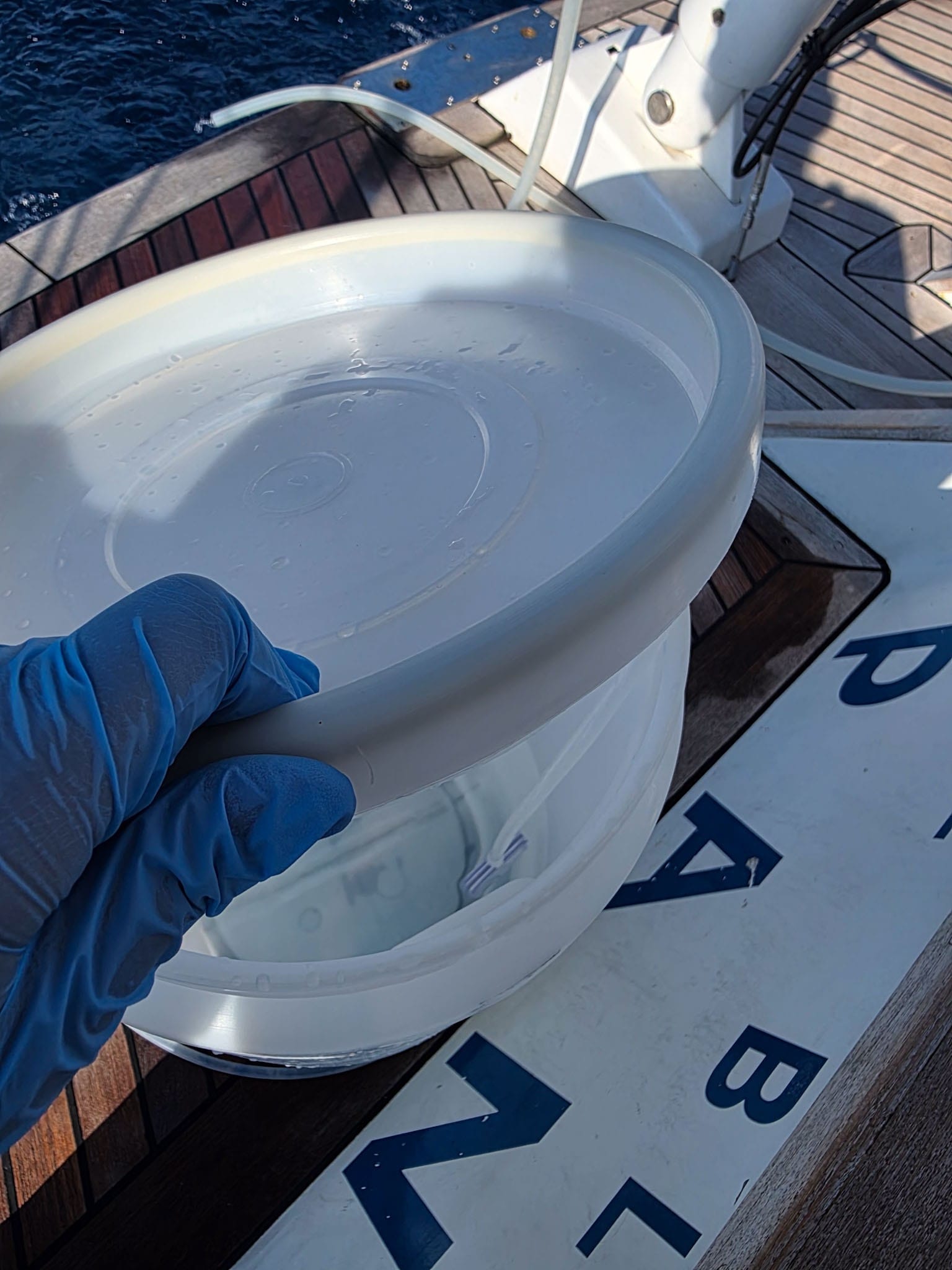
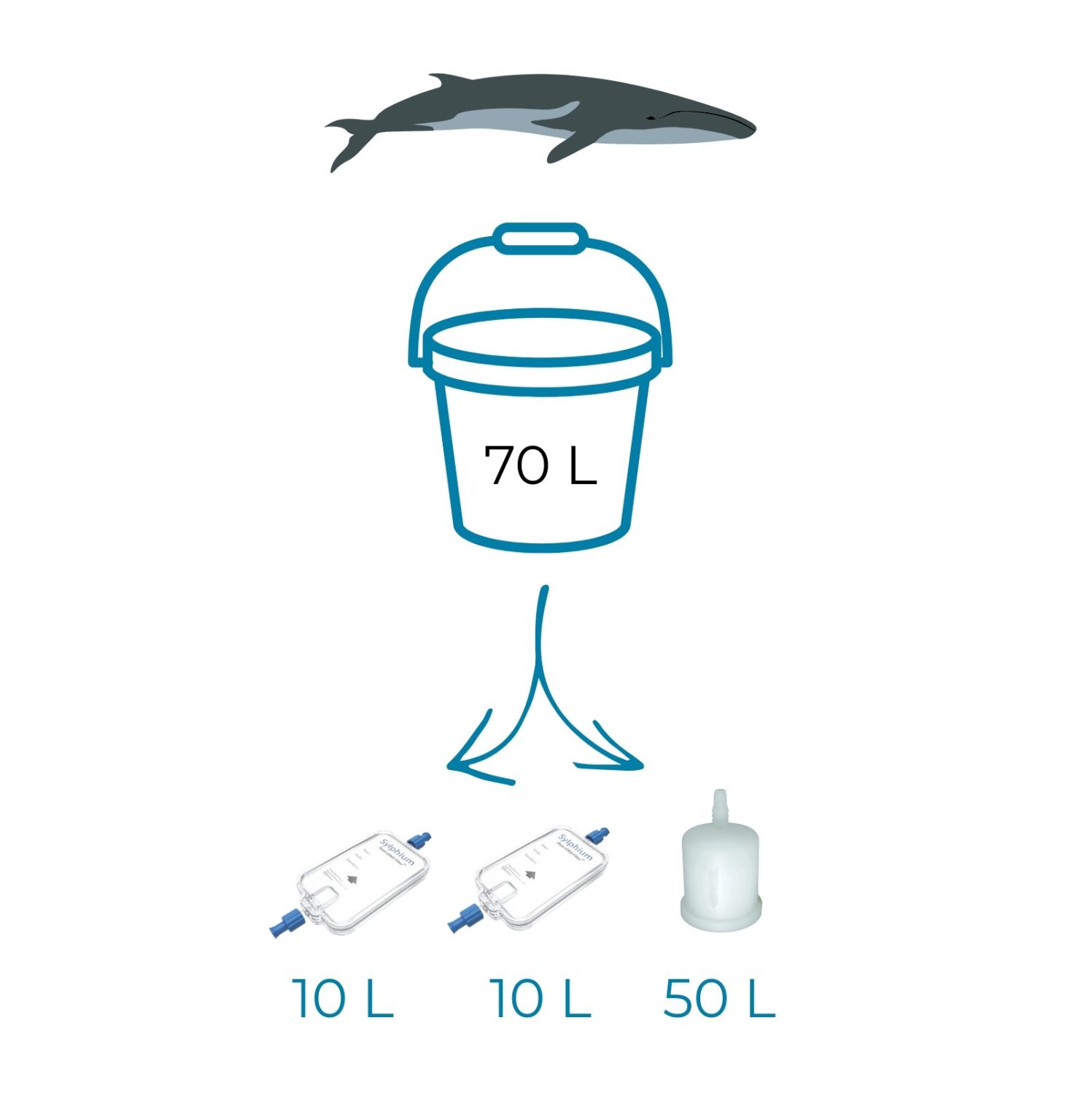
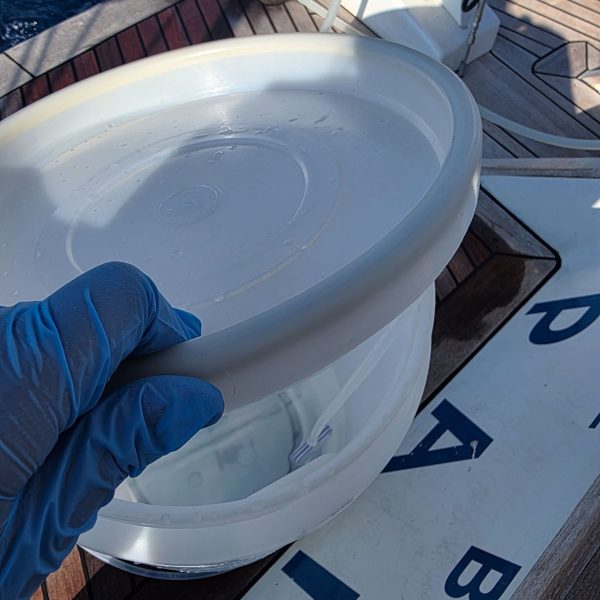
For each encounter, we collected 70 L of seawater using two 30 L buckets, of which 20 L were subsequently filtered with Sylphium (0.8 µm) filters (2 x 10 L) and the remaining 50 L with Waterra (0.45 µm) filters.
Where did you go sampling?
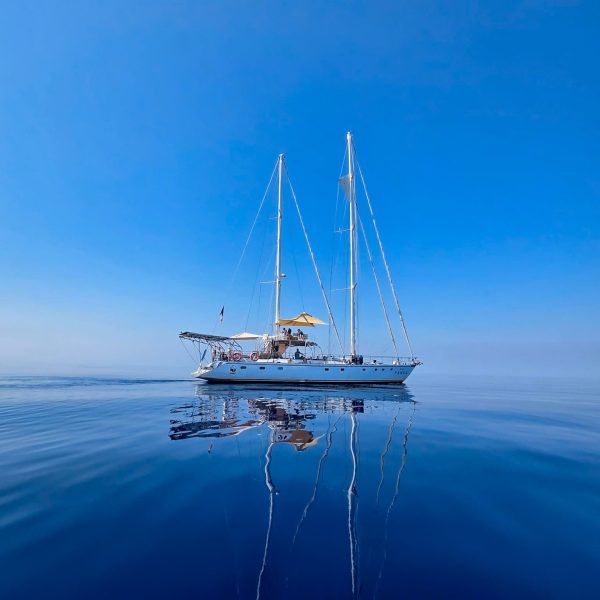
The 2025 sampling campaign was carried out in the Ligurian Sea off Toulon (France), with samples collected mainly in August on board the Blue Panda, the research vessel of WWF France.
Results
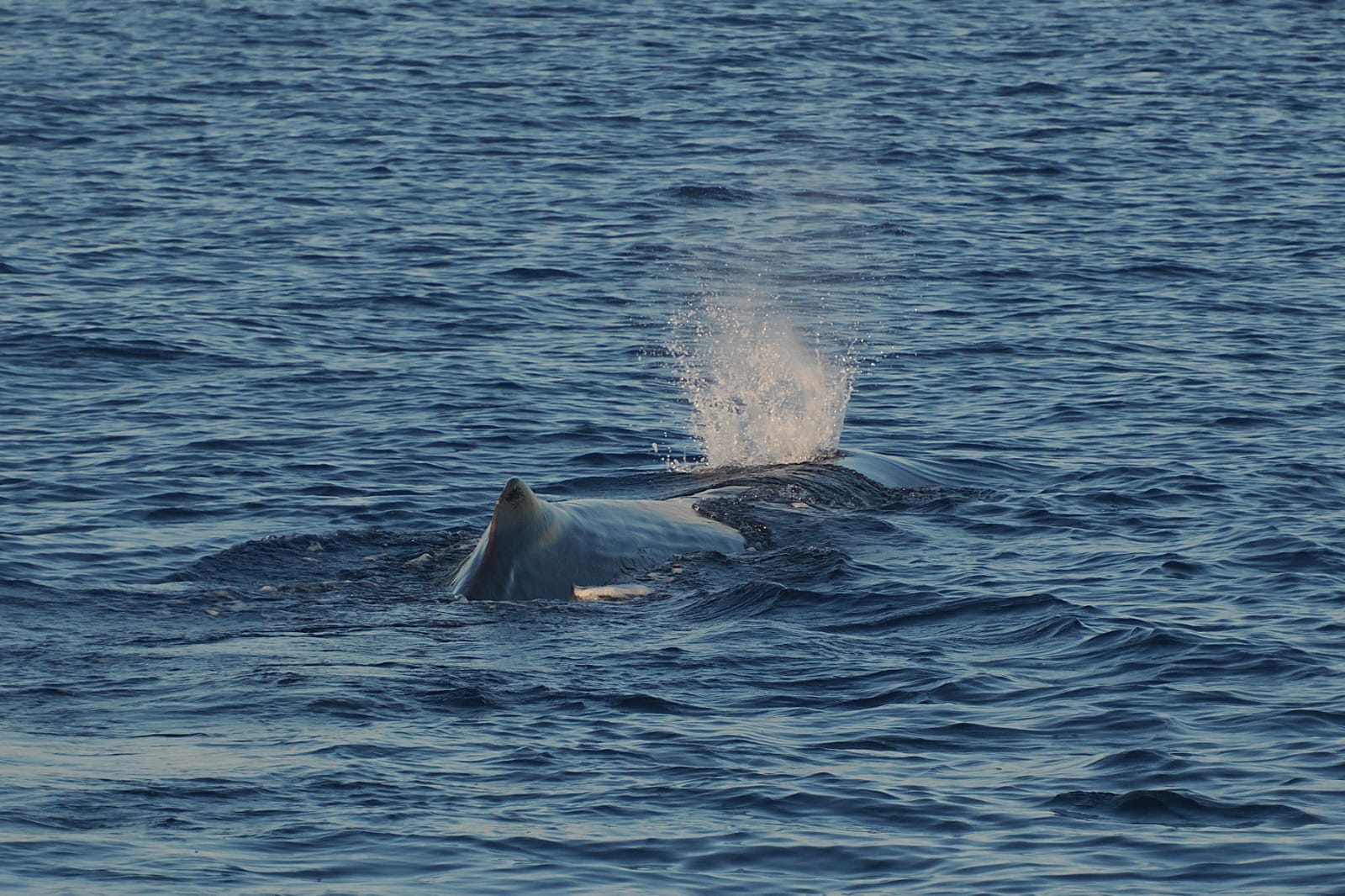
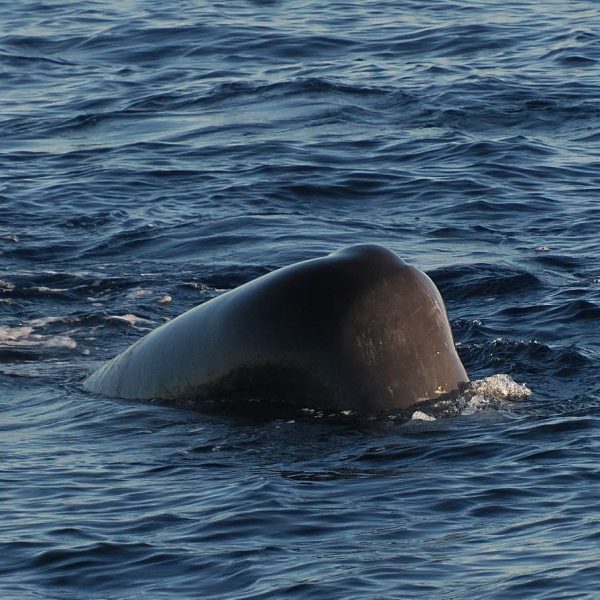
By the end of the four-day cruise (5–9 August 2025), a total of 26 filters (17 Sylphium and 9 Waterra) had been collected from 8 fin whales (Balaenoptera physalus) and 1 sperm whale (Physeter macrocephalus).



 English