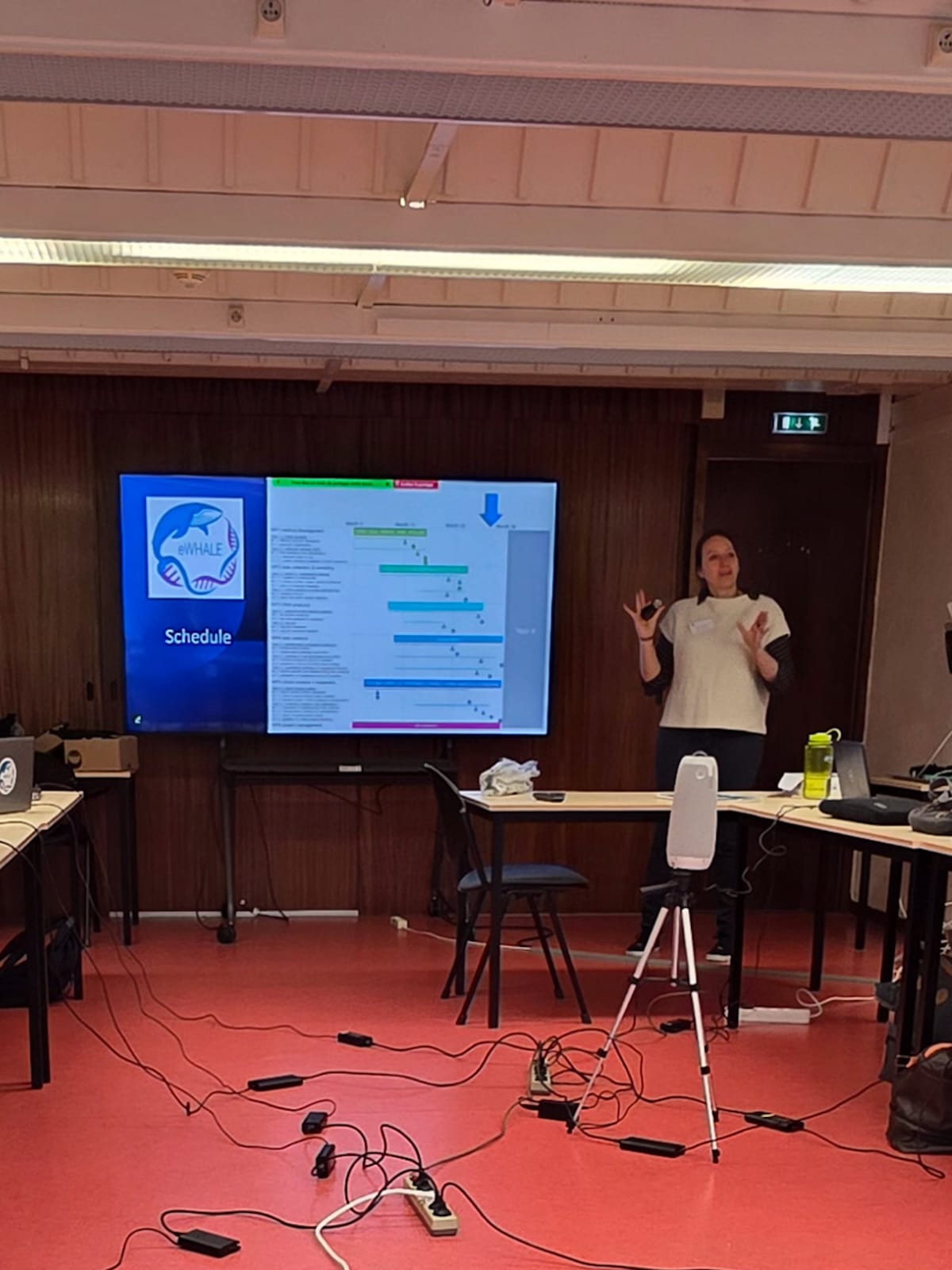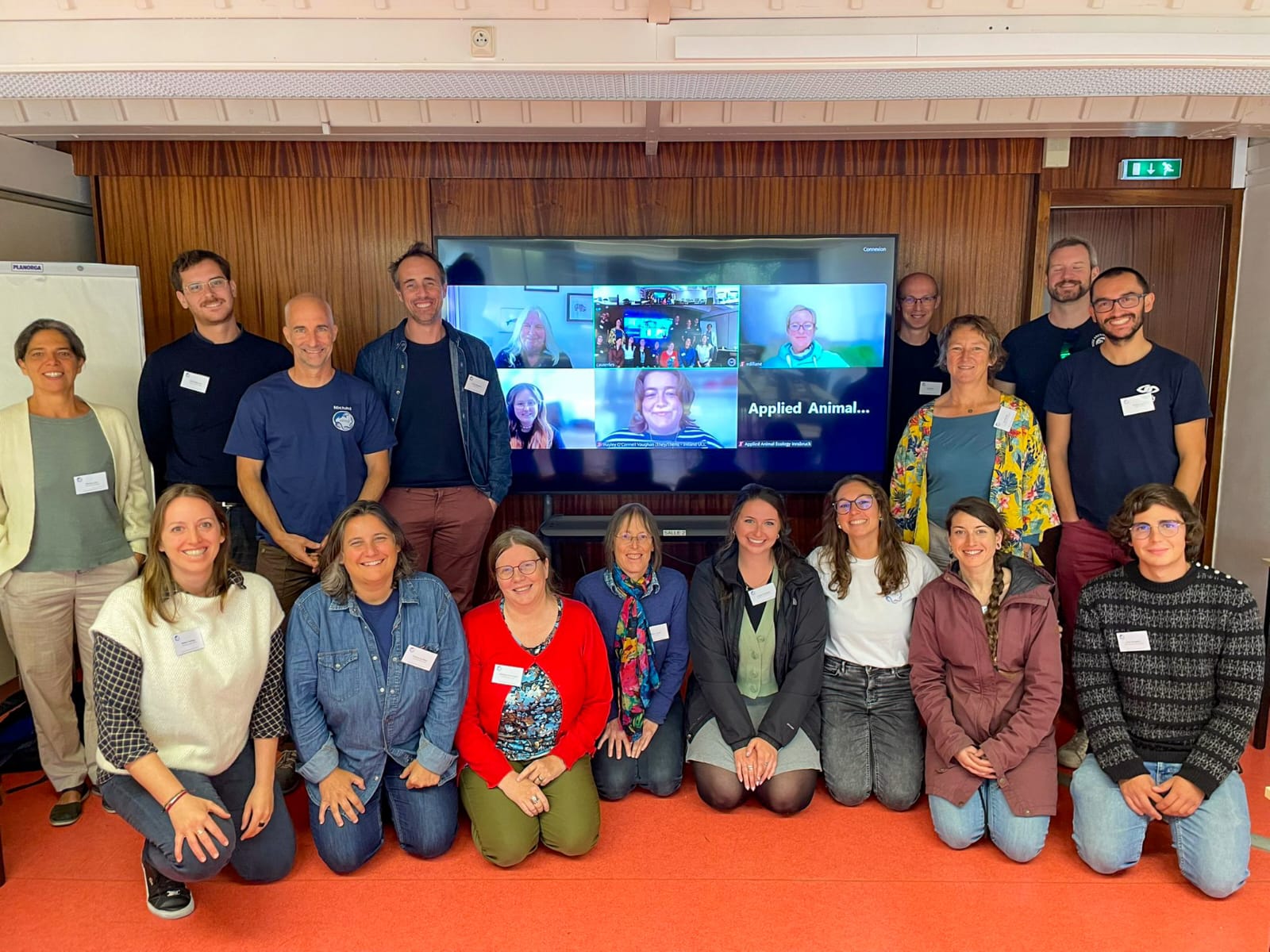
Bettina Thalinger, the project coordinator, opened the section by highlighting the 2023–2025 outcomes: optimised laboratory and field protocols for collecting and analysing eDNA from whale-watching platforms, and strengthened collaborations with operators and citizen scientists. She then outlined the next steps: updating online datasets to meet FAIR principles, convening a stakeholder meeting, consolidating publications, and scaling outreach through 2026.
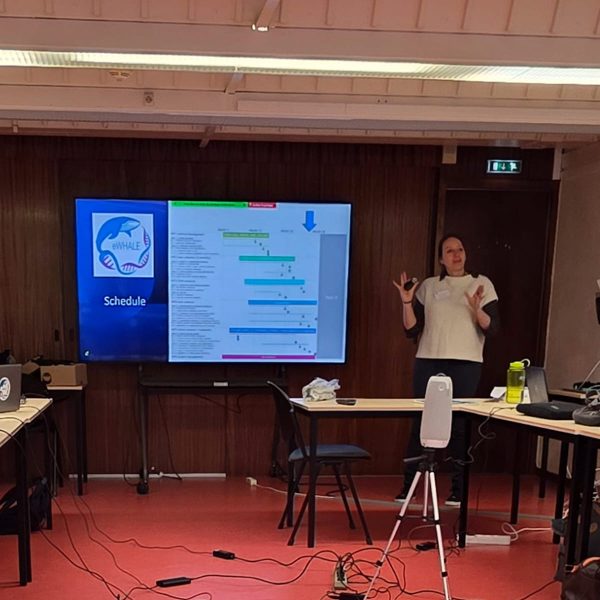
Then the PhD candidates and postdoctoral researchers delivered presentations, sharing field and laboratory outcomes from each country.
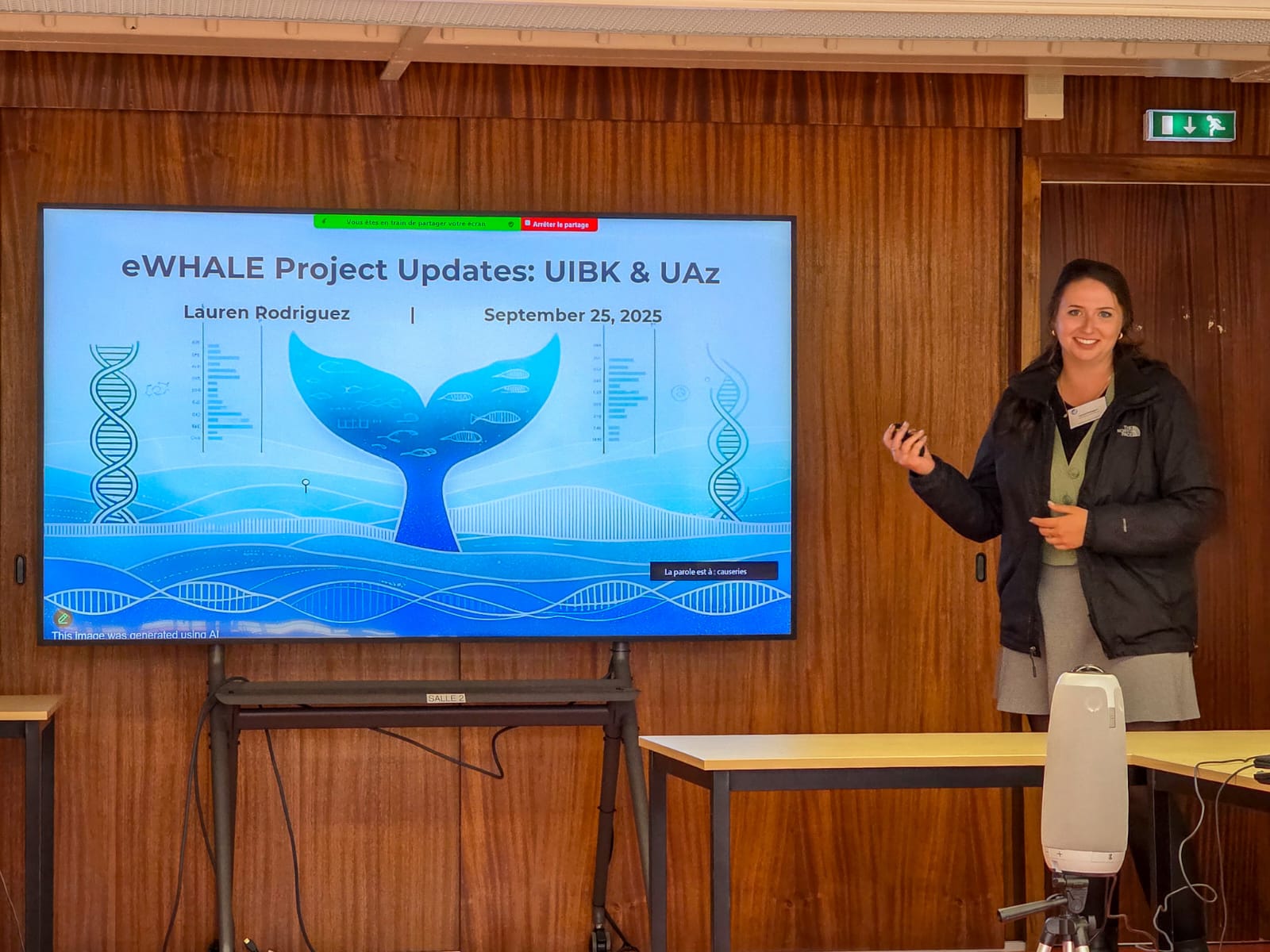
First up, Lauren Rodriguez, a PhD candidate at the University of Innsbruck (Austria), presented findings from the Azores samples, summarised the results achieved, and outlined the next steps.

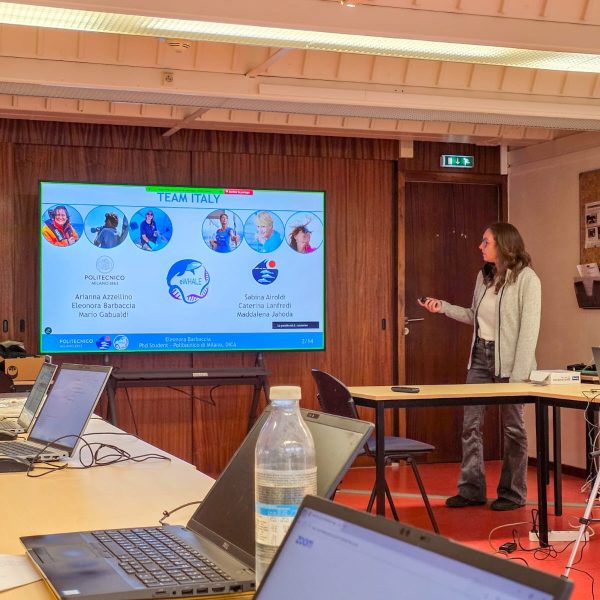
Next, Eleonora Barbaccia, a PhD candidate at Politecnico di Milano (Italy), presented three years of results from Team Italy. She summarised 2023–2025 fieldwork focused on optimising eDNA sampling protocols on whale-watching boats, including tests of different water volumes to maximise DNA detection efficiency. She also reported findings from questionnaire studies administered in 2023–2024 across three eWHALE partner sites, designed to assess and strengthen environmental awareness and citizen-science engagement.
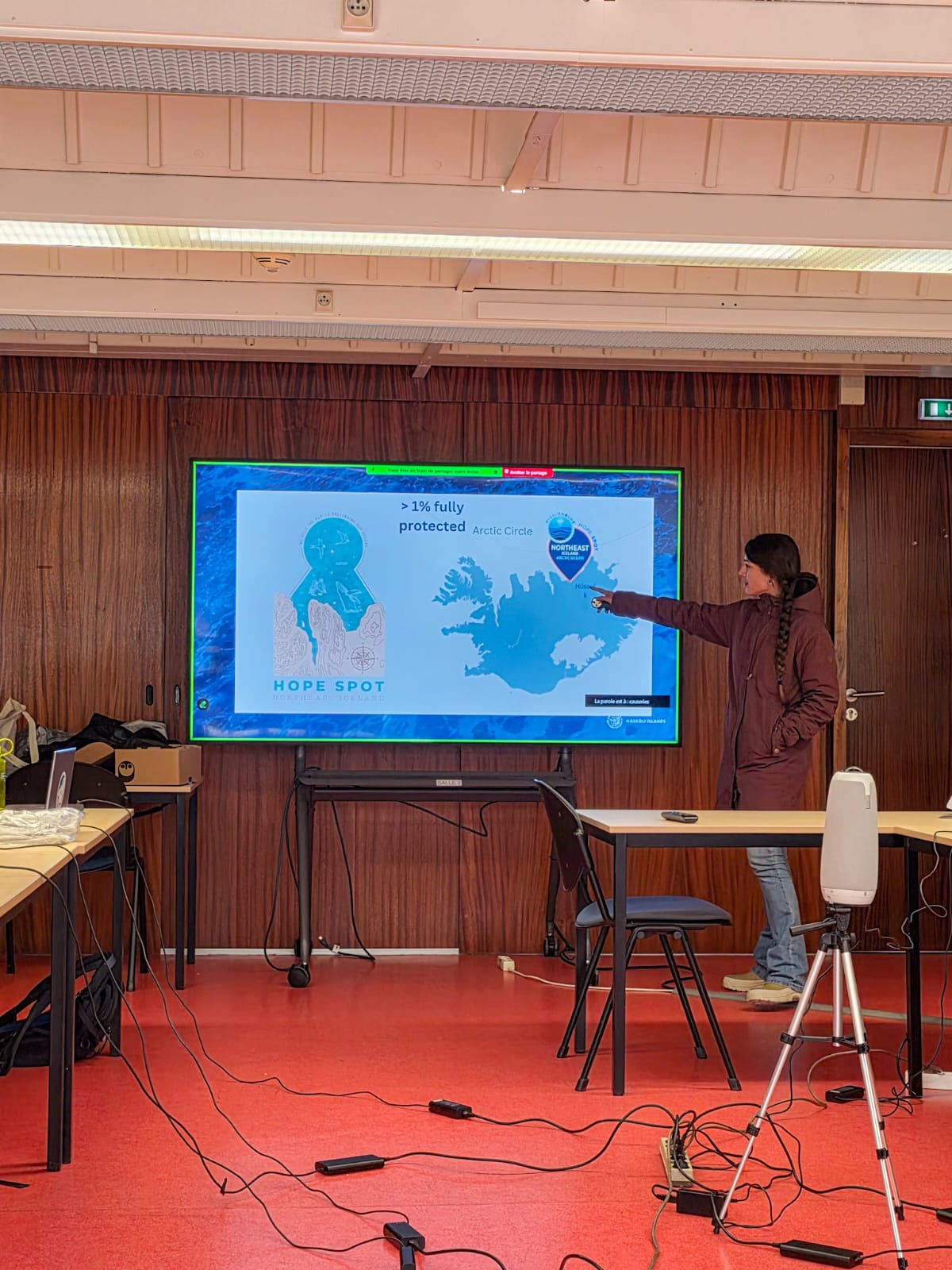
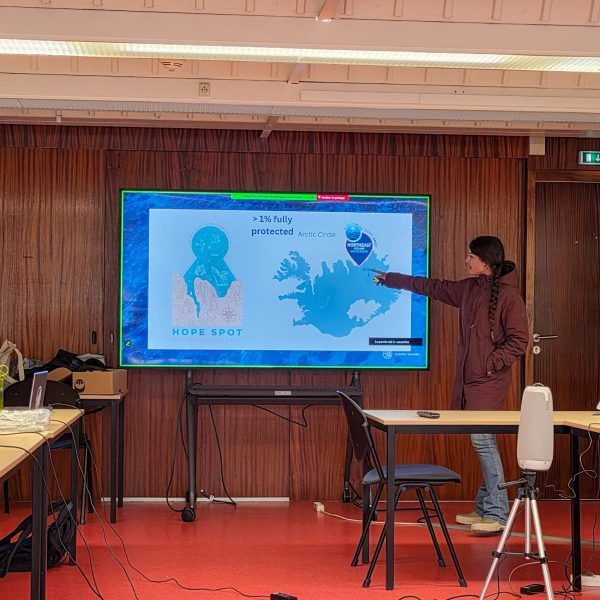
Next, Belén García Ovide, a PhD candidate at the University of Iceland, presented Team Iceland’s results, summarising 2023–2025 fieldwork in Skjálfandi Bay (Húsavík) conducted in partnership with North Sailing, and outlining priorities for 2026.
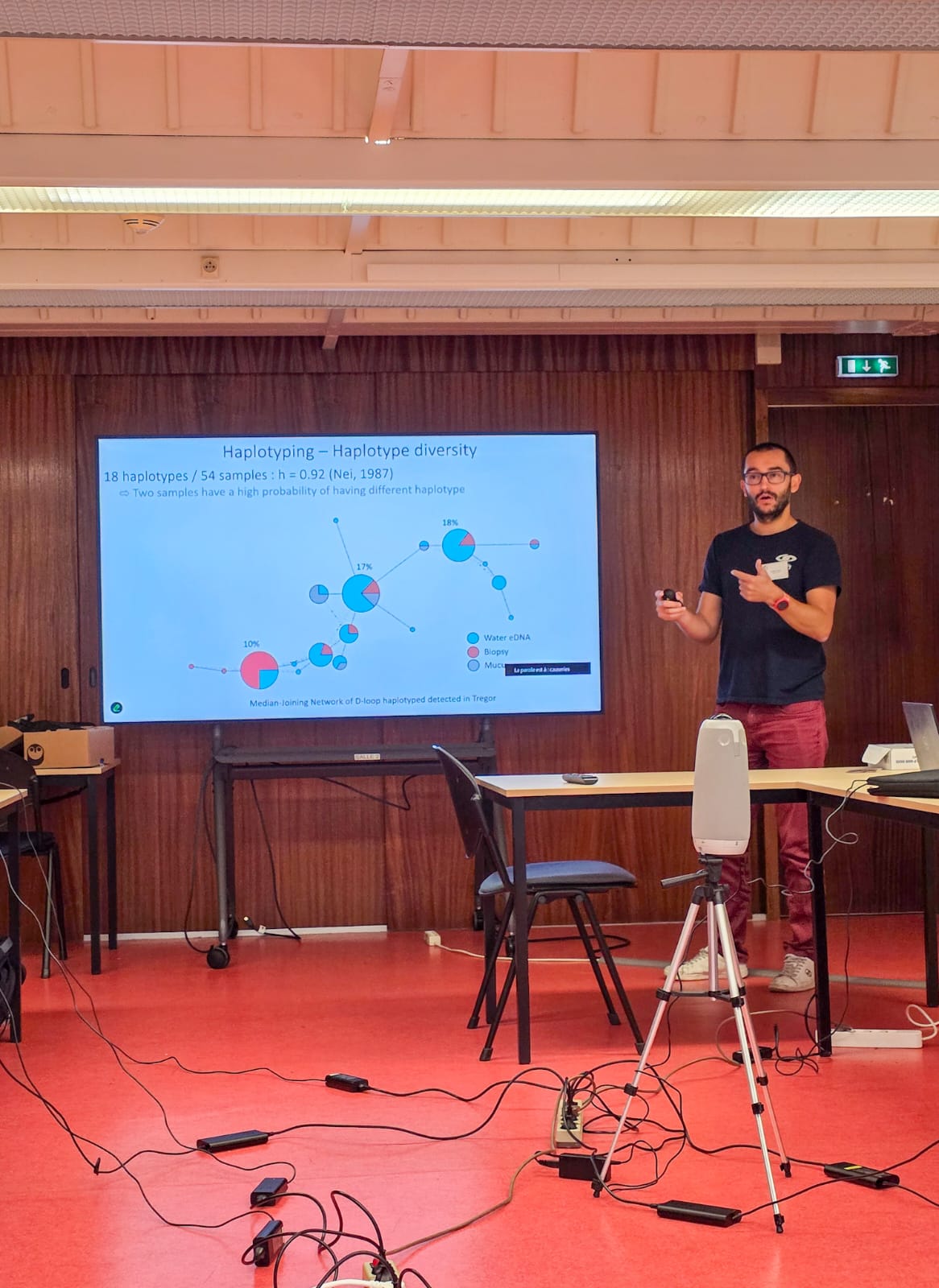
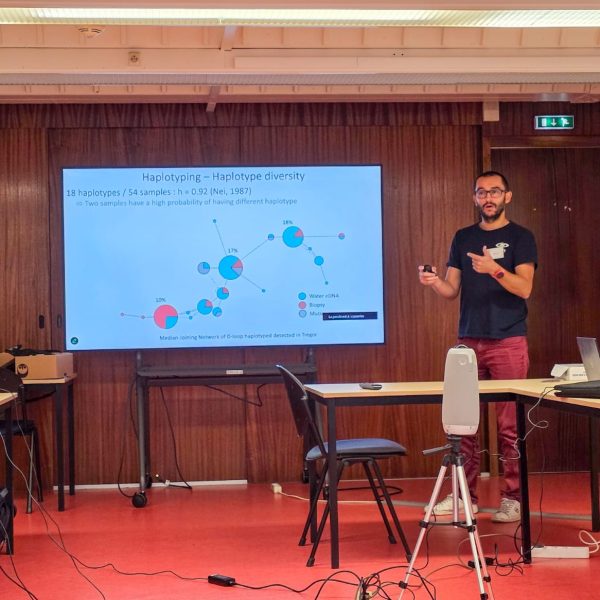
Teddy Urvois, the postdoctoral researcher at INRAE (Rennes, France), presented his latest findings on the population genetics and ecology of porbeagle sharks.
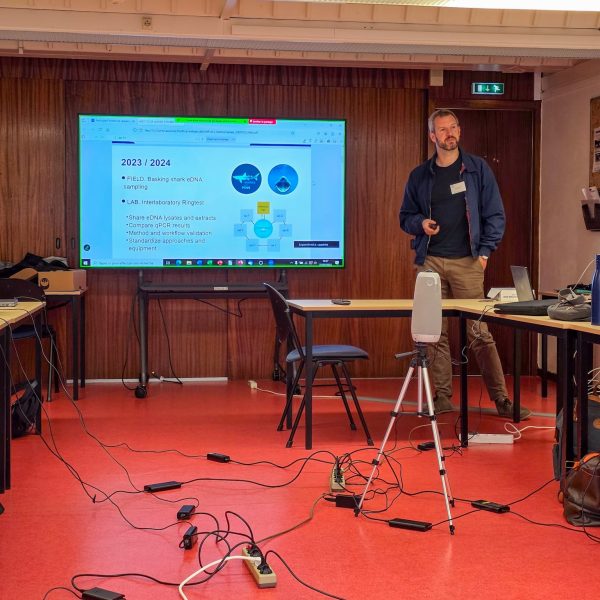
Then, James McKenna, a postdoctoral researcher at Norway’s Institute of Marine Research (IMR), shared three years of sampling updates and presented results from his analyses of whales, basking sharks and their prey, integrating advanced laboratory techniques with computational methods.
Last but not least, Hayley O’Connell (University College Cork), in partnership with Whale Watch West Cork, presented Team Ireland’s results. The team is utilising eDNA to detect basking sharks (Cetorhinus maximus) in Irish waters and applying DNA metabarcoding to characterise their prey, advancing knowledge to better protect this species along Ireland’s coast.

 English