Written by Eleonora Barbaccia, PhD Student at Politecnico di Milano
Which eDNA filters were used?
The results obtained from the previous field sampling campaign, identified 10 L water samples and Smith-Root filters as the most practical option for eDNA cetacean research (Rodriguez et al., 2025).
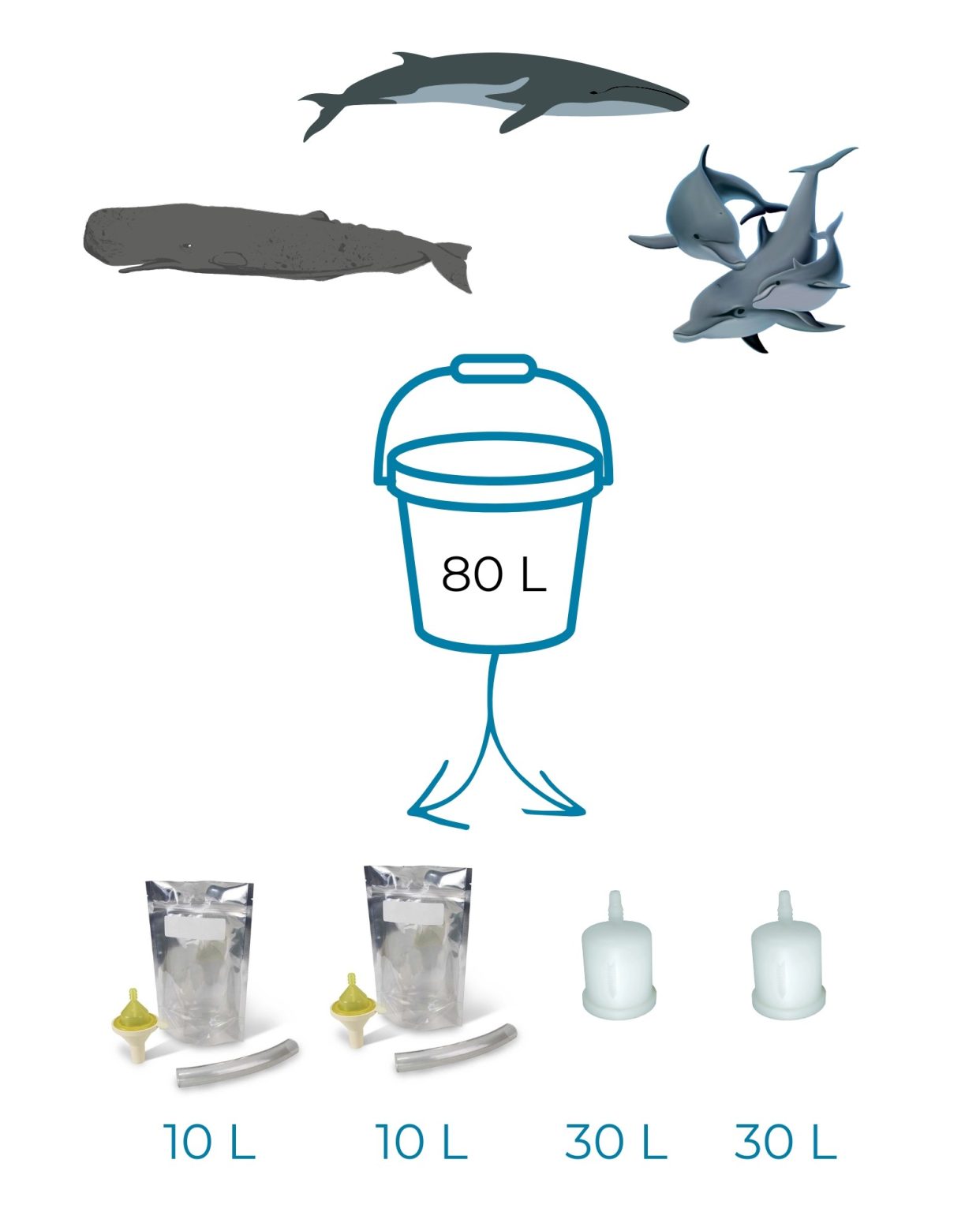
Therefore, the 2024 season aimed to collect two Smith-Root filters (1.2 µm) for each encounter (2 x 10 L) and Waterra filters (0.45 µm) for population genetic analysis (2 x 30 L).
How many litres of water did you have to collect?
For each encounter, we collected 80 L of seawater, of which 2 × 10 L were subsequently filtered with Smith-Root (SR) filters and 2 × 30 L with Waterra (WAT) filters.
Which species were you targeting and why?
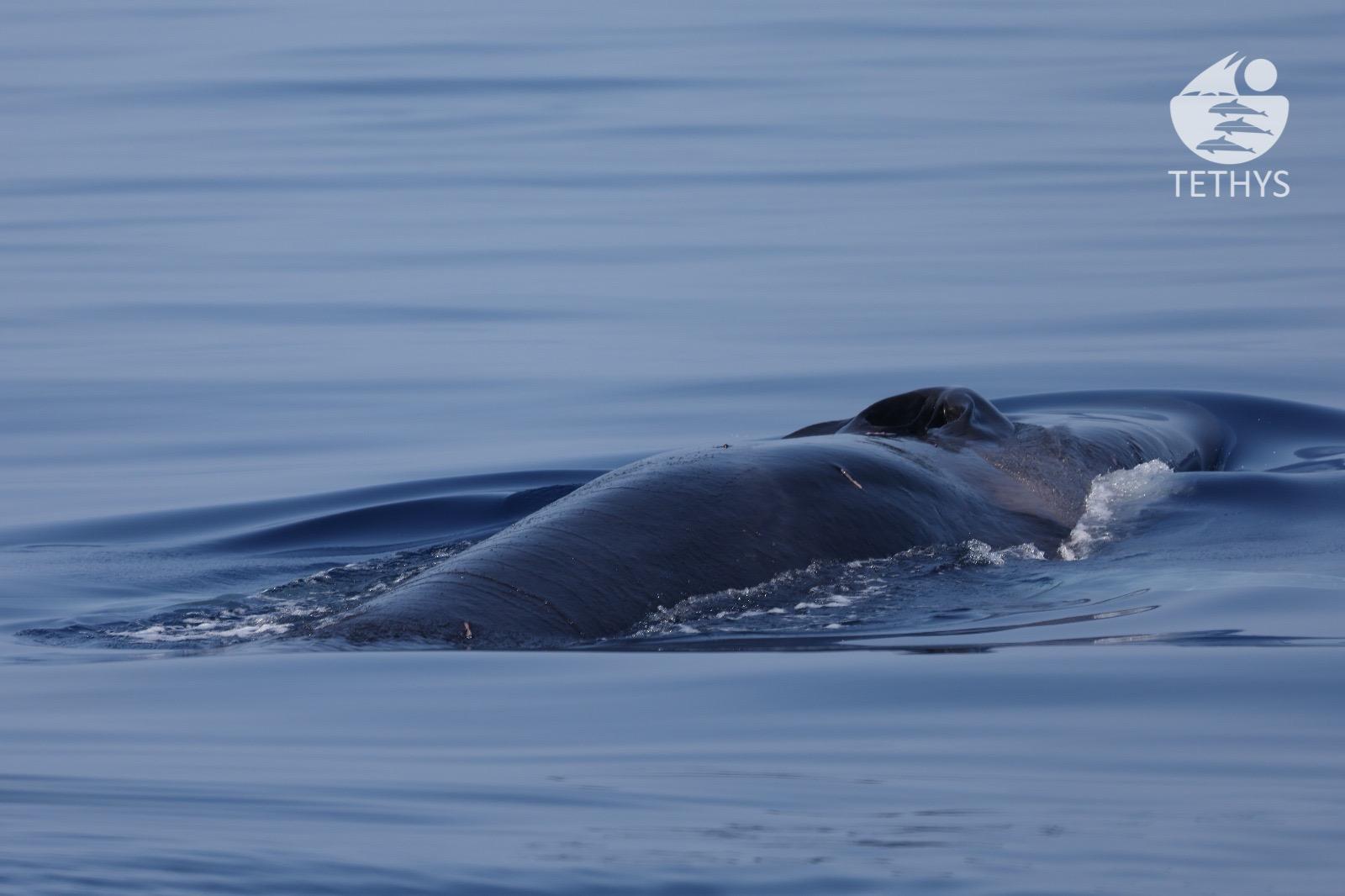
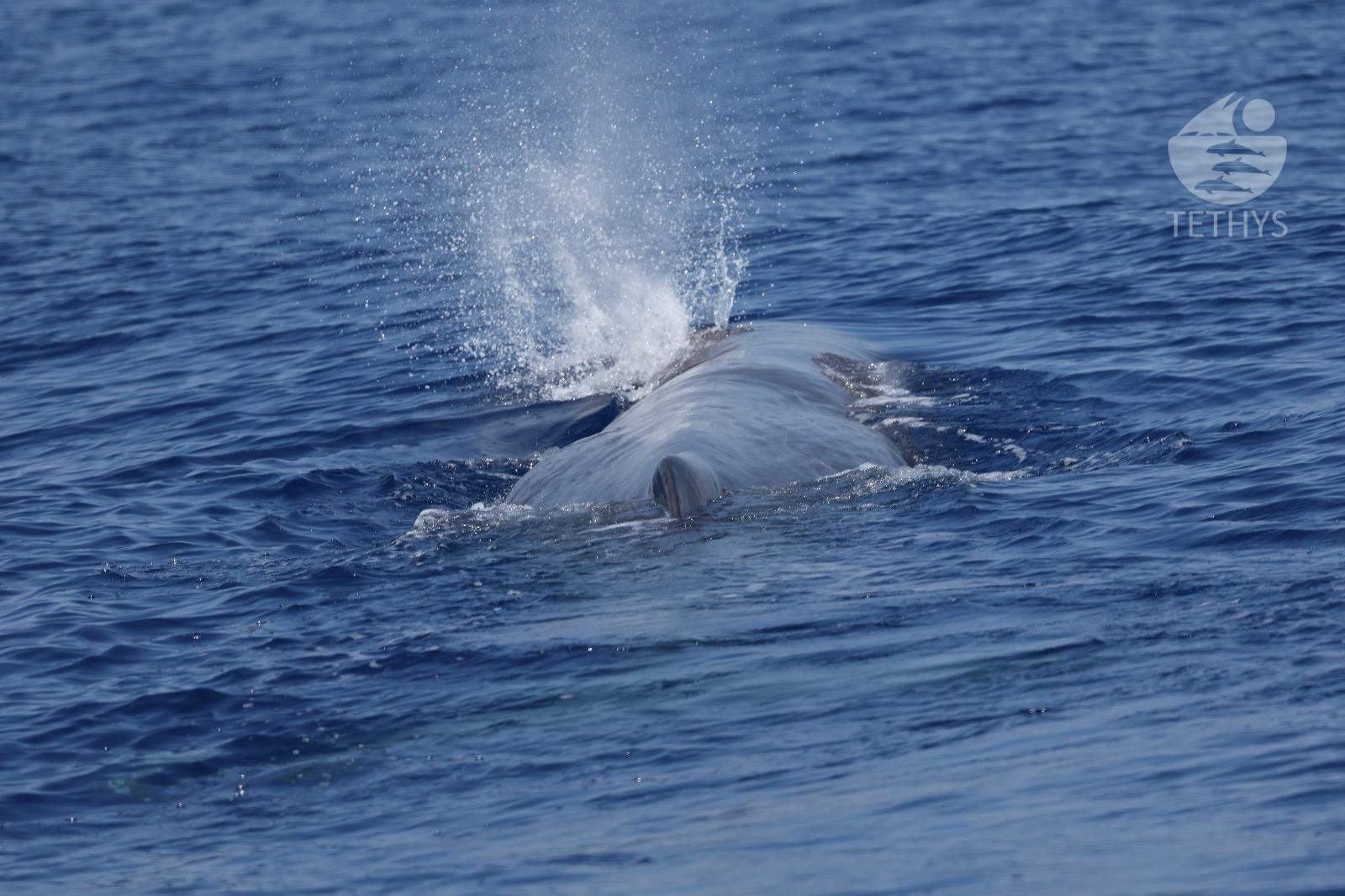
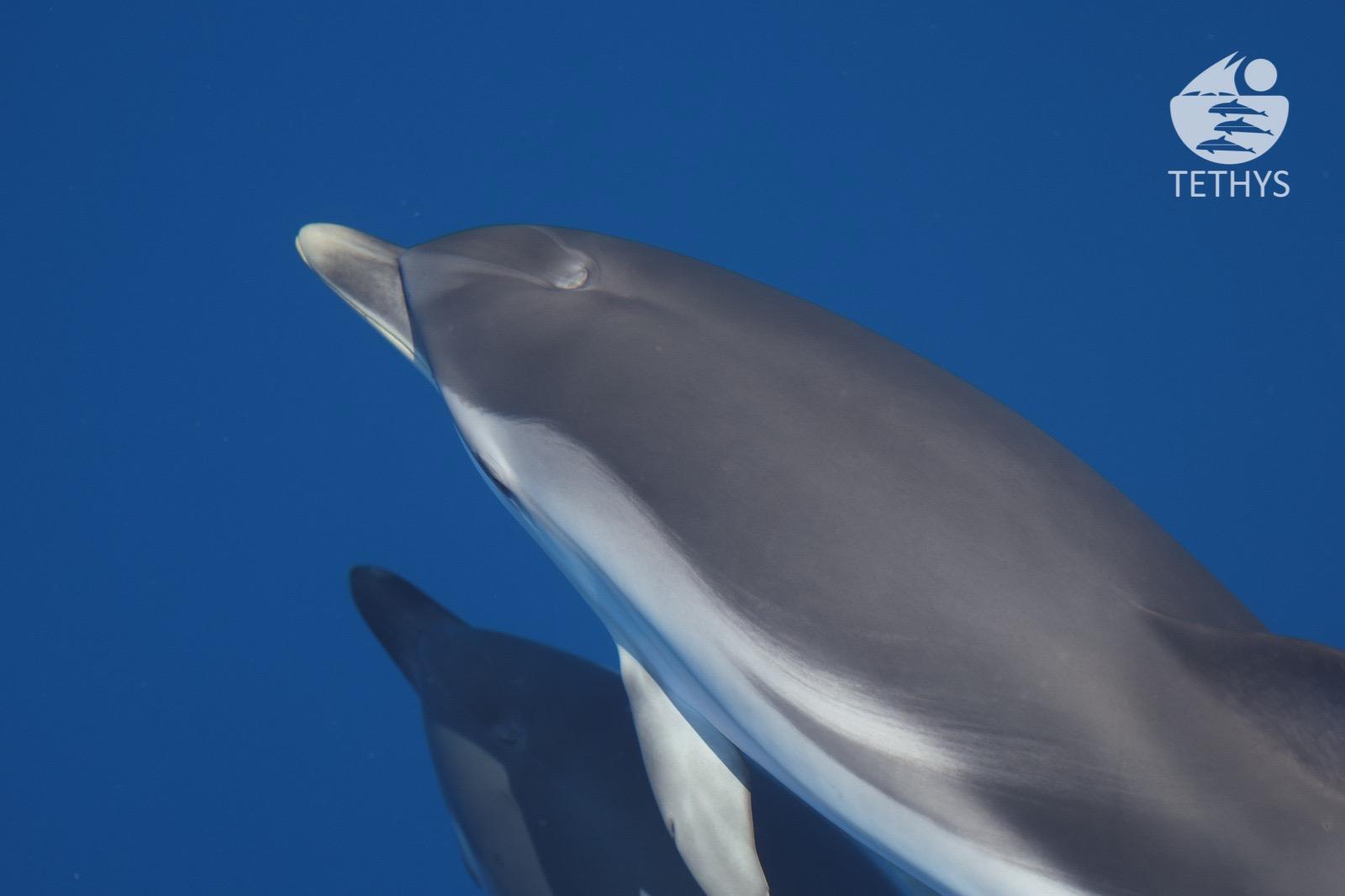
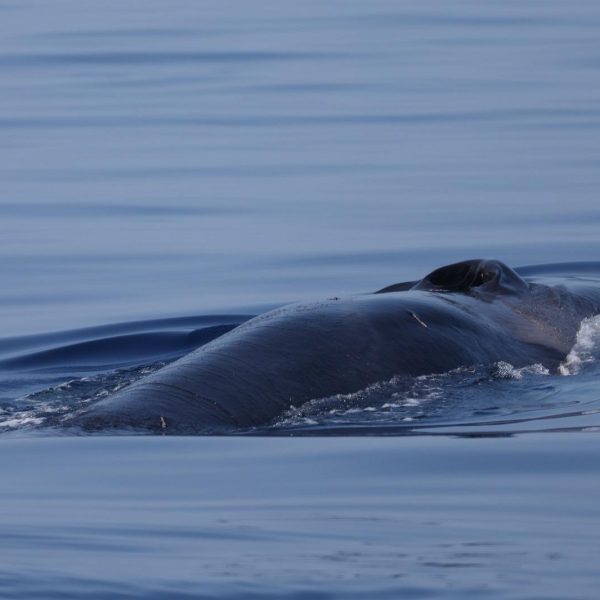
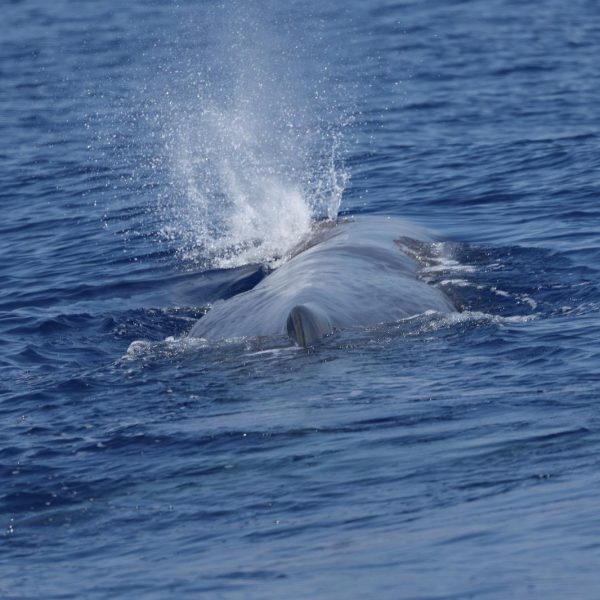
In 2024, the Italian fieldwork focused mainly on single individuals of large cetaceans, in particular sperm whales (Physeter macrocephalus) and fin whales (Balaenoptera physalus), as well as the most frequently sighted dolphin species.
Results
During the 2024 sampling campaign in the Ligurian Sea, a total of 61 SR (57 filters + 4 blank controls) and 22 WAT (20 filters + 2 blank controls) collected from 31 encounters (individuals and/or groups) belonging to 7 cetacean species, among which were elusive and rare ones:
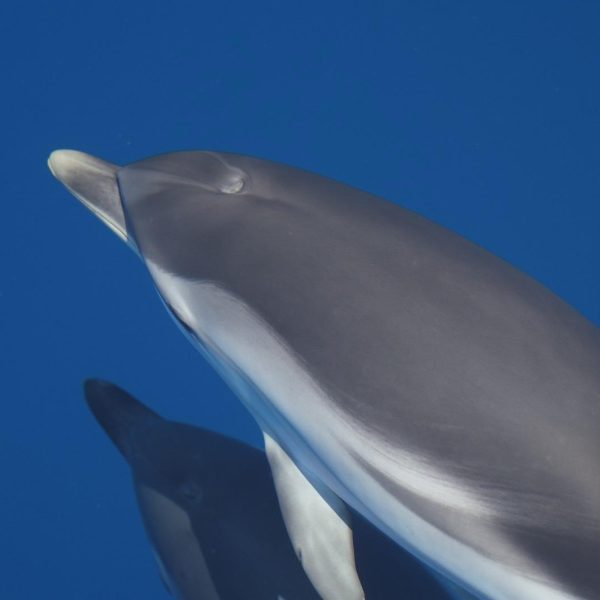
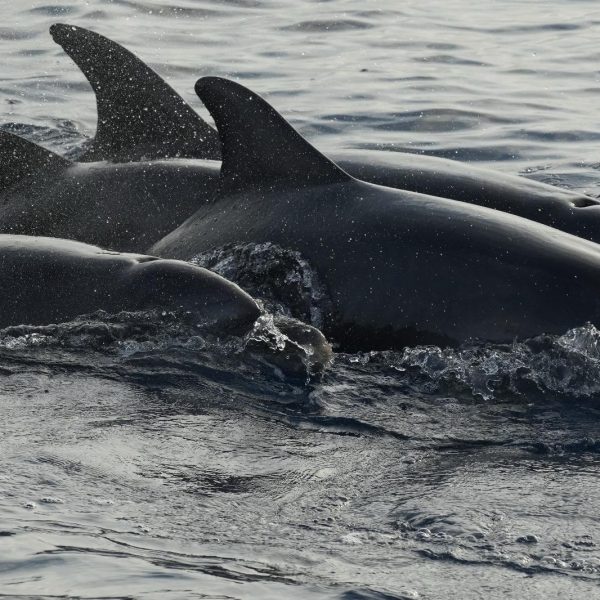
10 sperm whales (Physeter macrocephalus), 10 fin whales (Balaenoptera physalus), 5 striped dolphins (Stenella coeruleoalba), 1 bottlenose dolphin (Tursiops truncatus), 3 long-finned pilot whales (Globicephala melas), 1 Risso’s dolphin (Grampus griseus) and Cuvier's beaked whale (Ziphius cavirostris).
Were you working with citizen scientists? If so, were they interested in eWHALE?
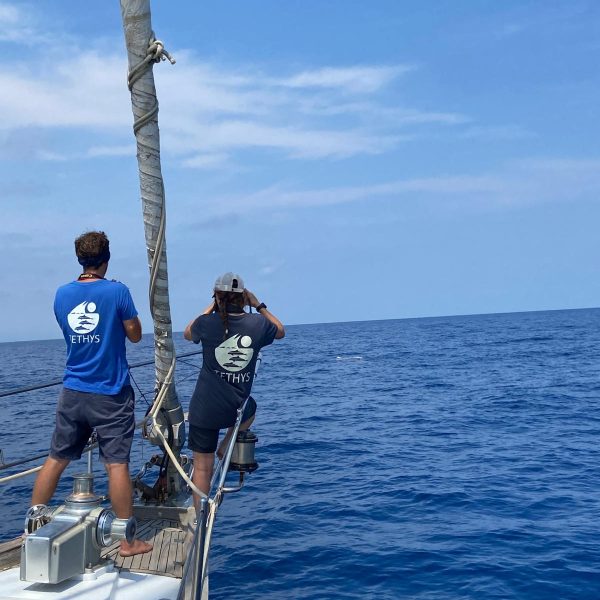
On board Pelagos, the Tethys Research Institute’s research vessel, most citizen scientists were very interested in learning about environmental DNA (eDNA) and the eWHALE project. While many participants were initially unfamiliar with eDNA, over the course of the week-long cruise, as they observed and discussed the sampling procedures and project goals, their knowledge and interest grew markedly, together with a stronger willingness to contribute to marine conservation.
What was the most interesting thing that happened in the field?
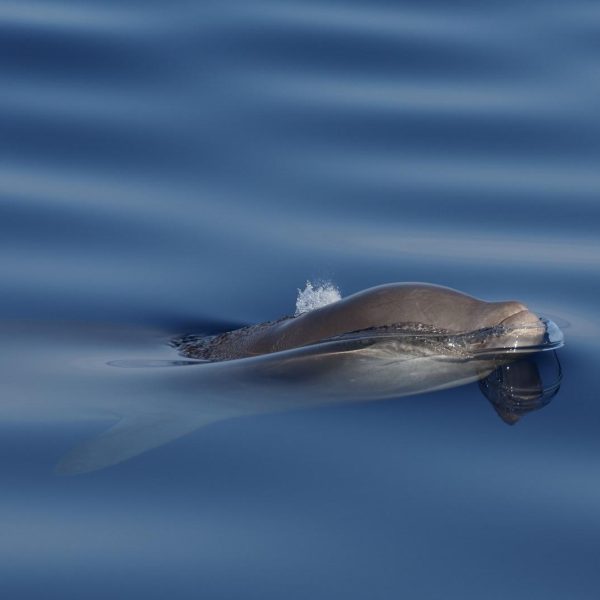
During the 2024 season, for two consecutive days we had the opportunity to sight and sample Cuvier’s beaked whales (Ziphius cavirostris), a species that is generally very rare to encounter in our study area as it usually occurs on the other side of the Pelagos Sanctuary. This group of three individuals made us extremely happy and, for most of us, it was our first ever encounter with this species.
 English