Written by Belen Garcia Ovide, PhD Student at University of Iceland
Which eDNA filters were used?
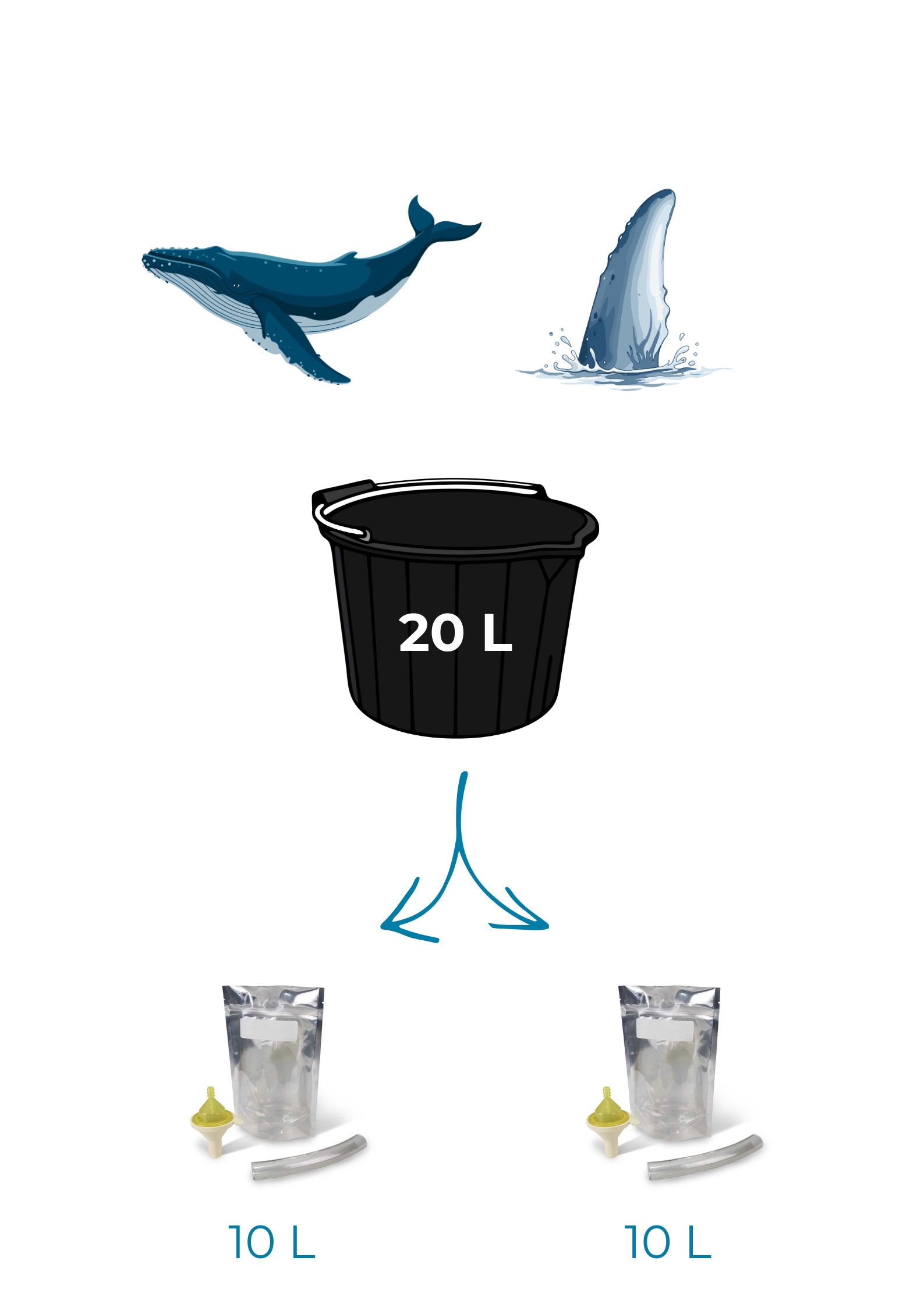
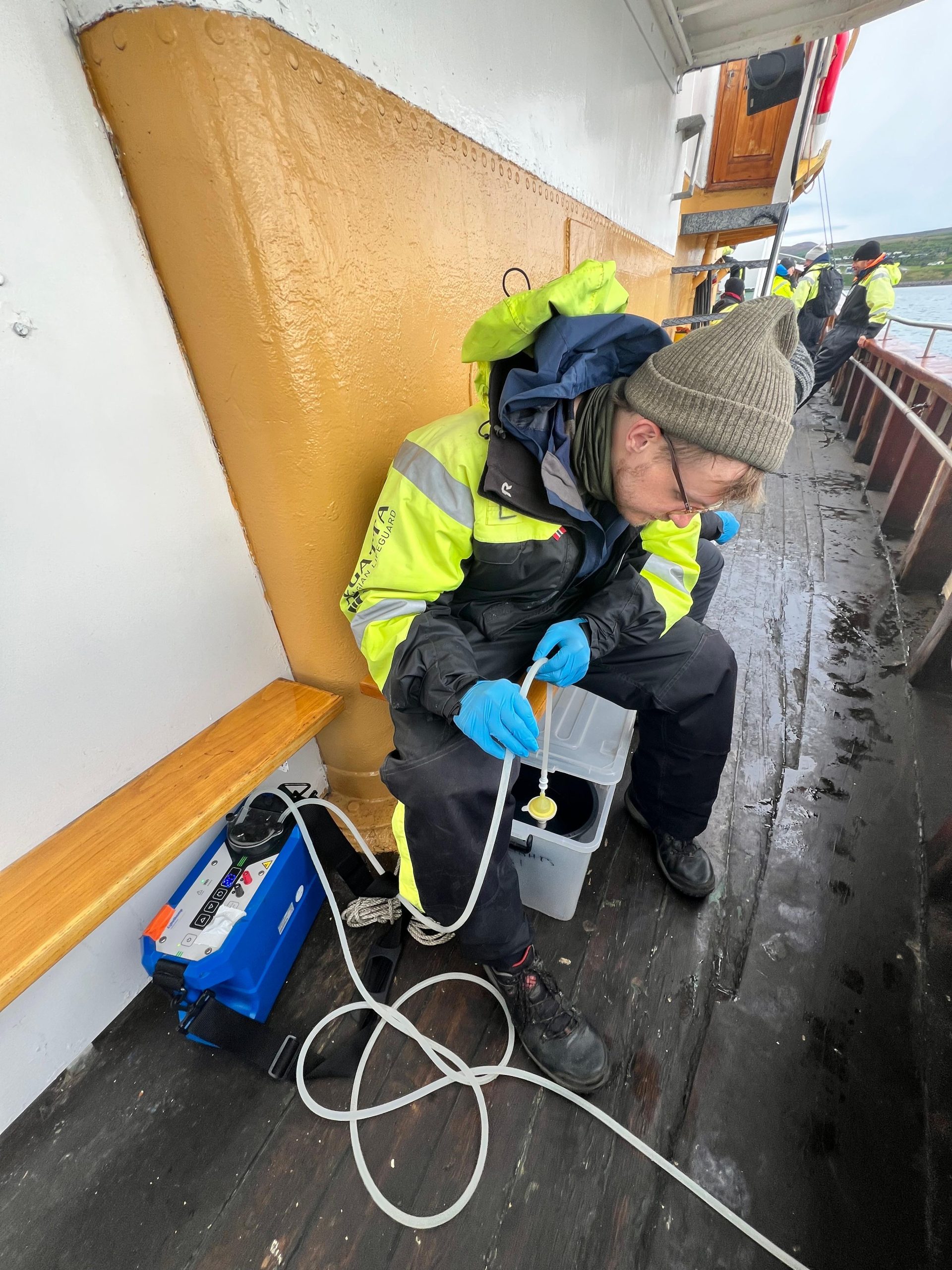
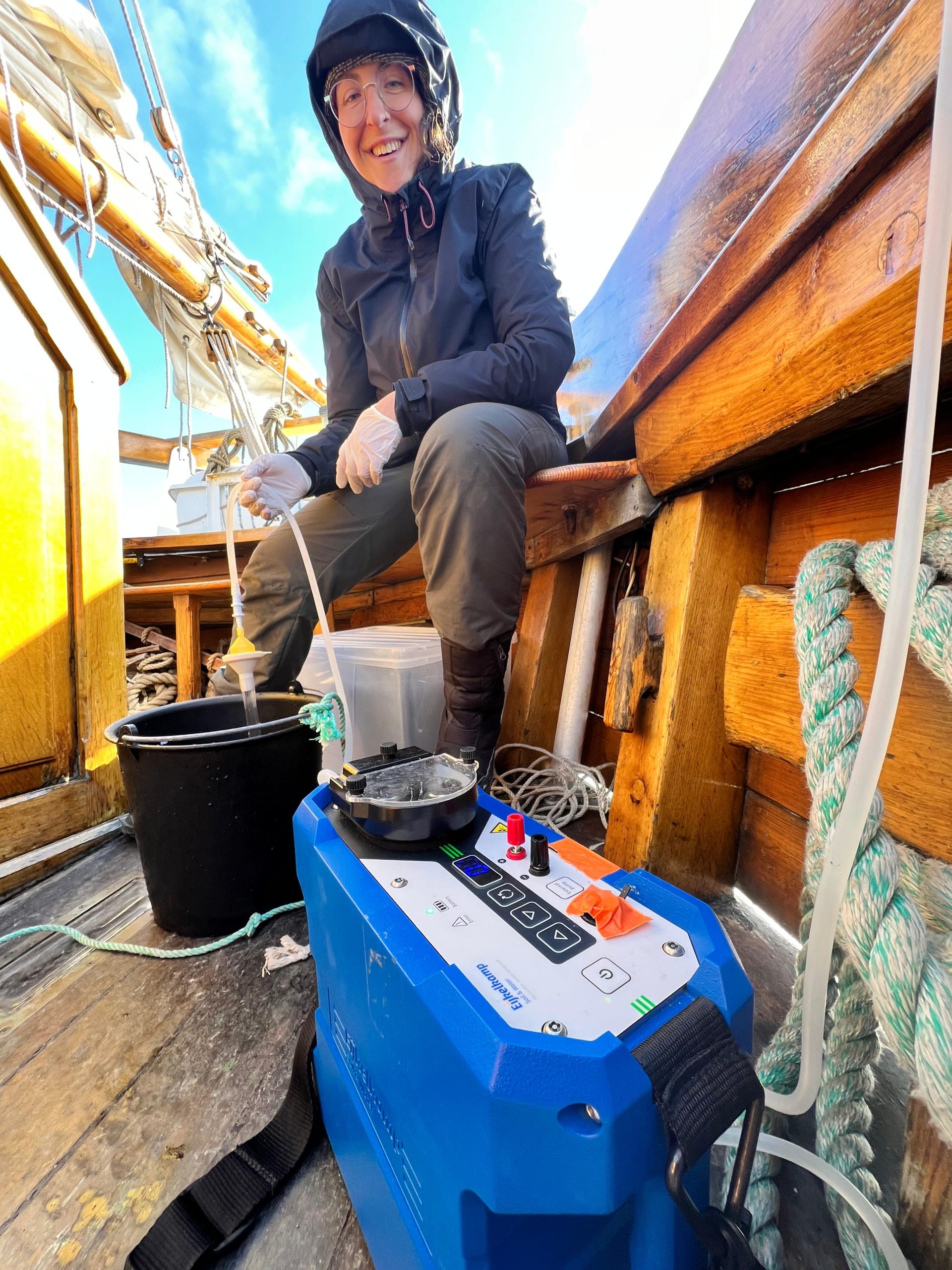
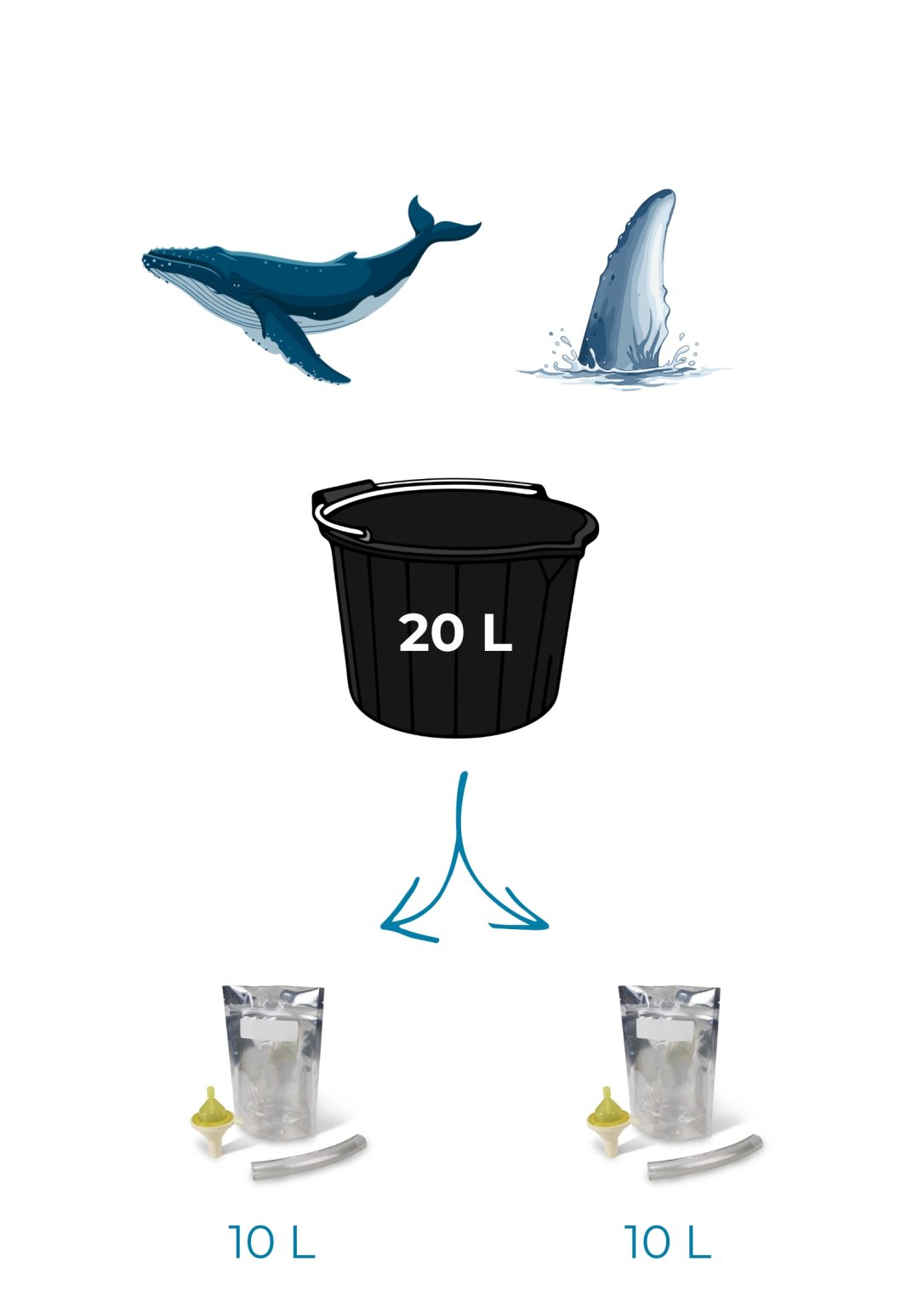
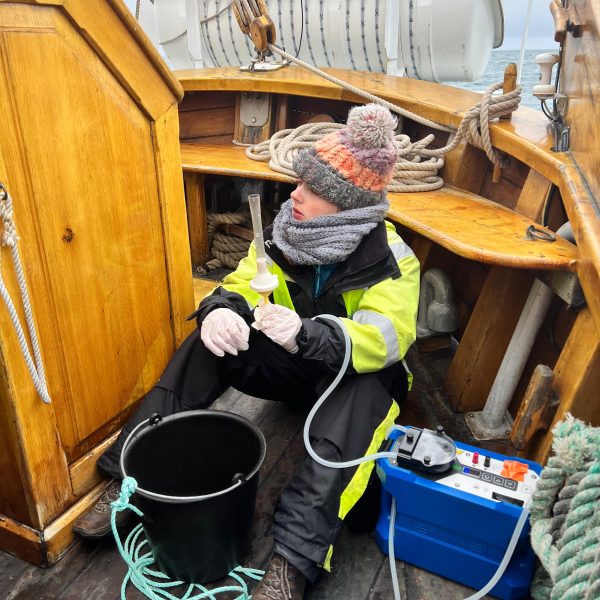
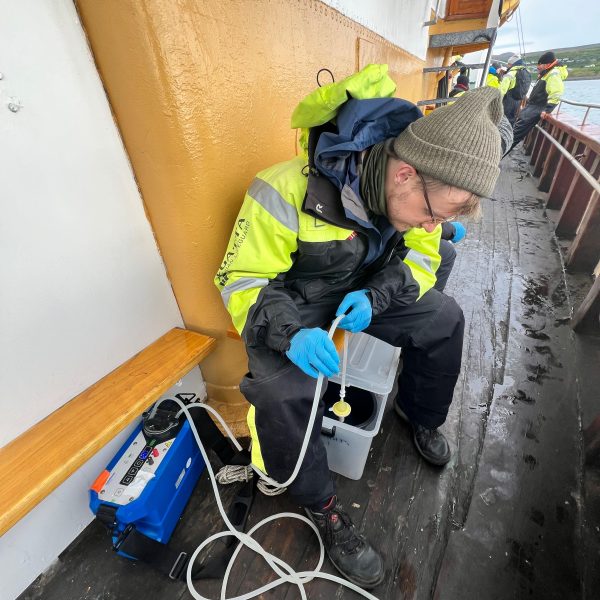
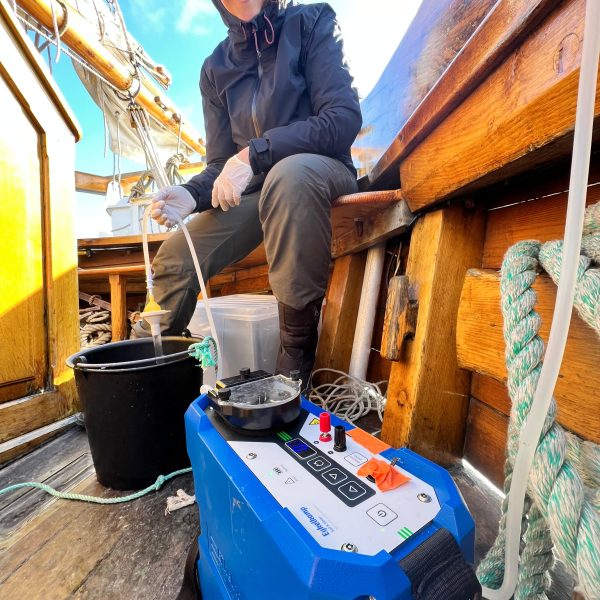
During the 2024 field season, we used Smith-Root eDNA filter cartridges with a pore size of 1.2 µm. For each whale encounter, we aimed to collect two replicate samples, filtering up to 10 L of seawater per replicate (2 × 10 L) with a maximum filtration time of 45 minutes for each. The sampling strategy was designed to obtain at least one eDNA sample per week throughout the season.
Which species were you targeting and why?
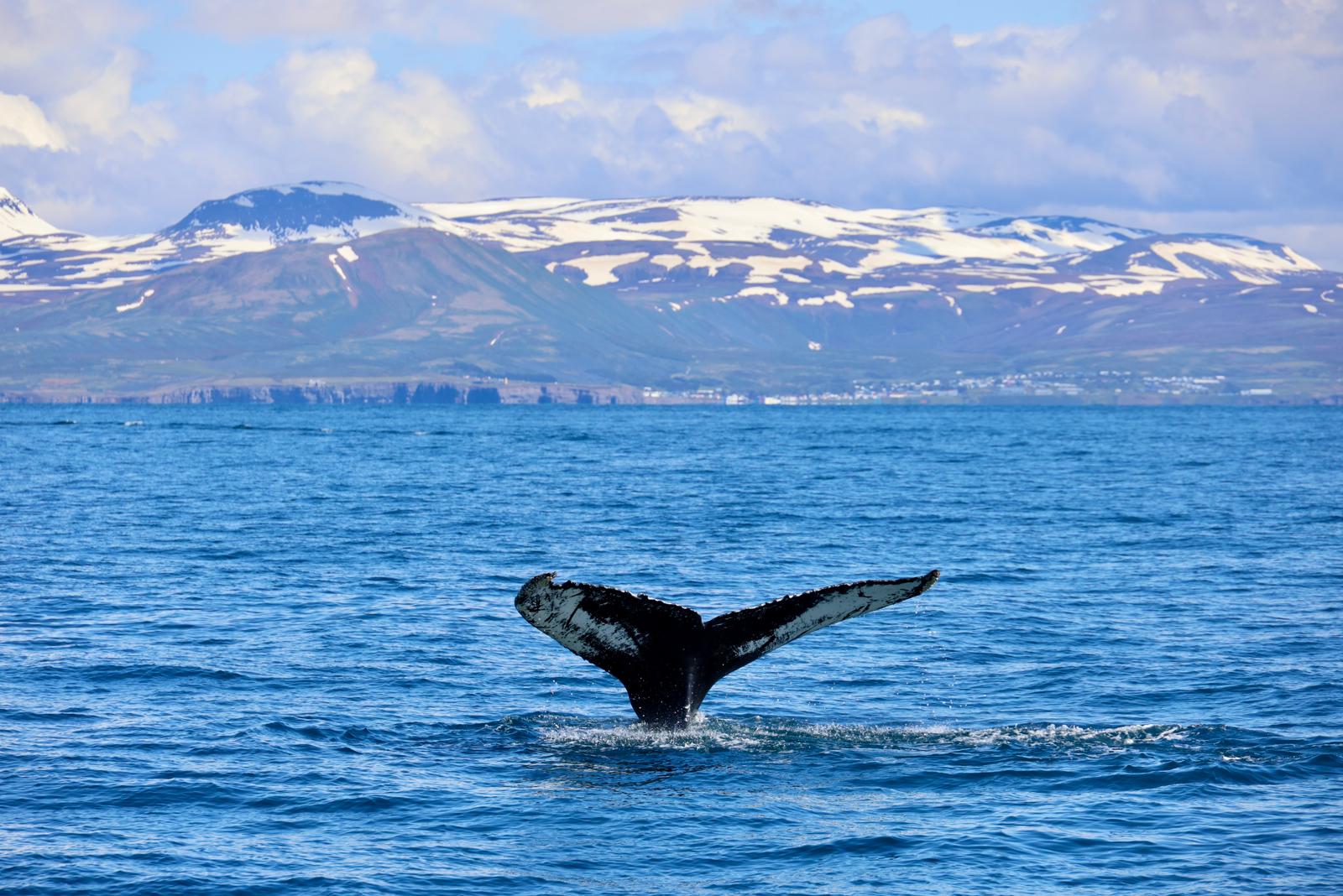
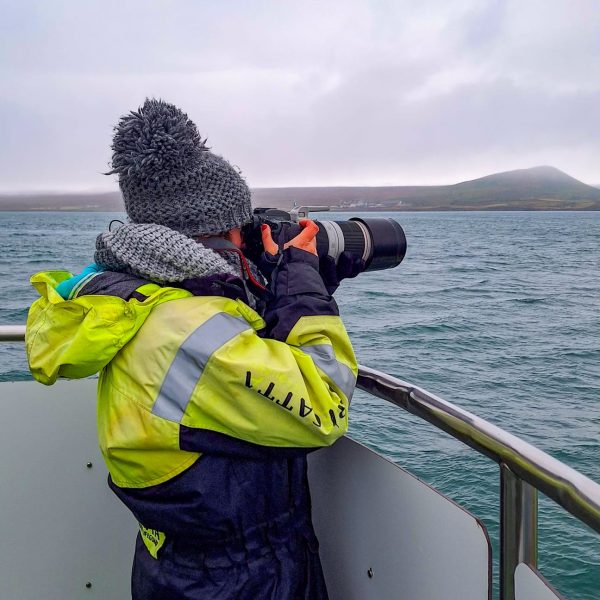
In 2024, fieldwork in Skjálfandi Bay (Iceland) focused mainly on humpback whales (Megaptera novaeangliae), the most frequently observed baleen whale in the area, which are regularly present in the bay from early spring to late autumn (approximately March–November). Sampling also opportunistically included blue whales (Balaenoptera musculus), which migrate through Skjálfandi Bay in spring and early summer, with most sightings typically occurring between April and June.
Results
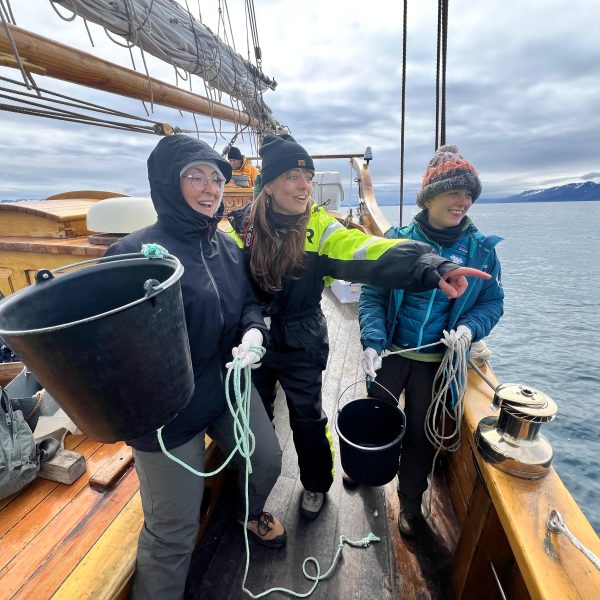
A total of 98 samples were collected from fluke prints using Smith-Root filters in Iceland, onboard North Sailing whale watching boats and citizen science weekly tours. These included 9 field controls, 85 samples from humpback whales, and 4 from blue whales, collected between April and November. Two replicates were collected for each sample, with filtration volumes per replicate ranging from 4.5 to 10 L, limited by a maximum filtration time of 45 minutes.


 English