Written by Eleonora Barbaccia, PhD Candidate at the Politecnico di Milano
Which was the research focus?
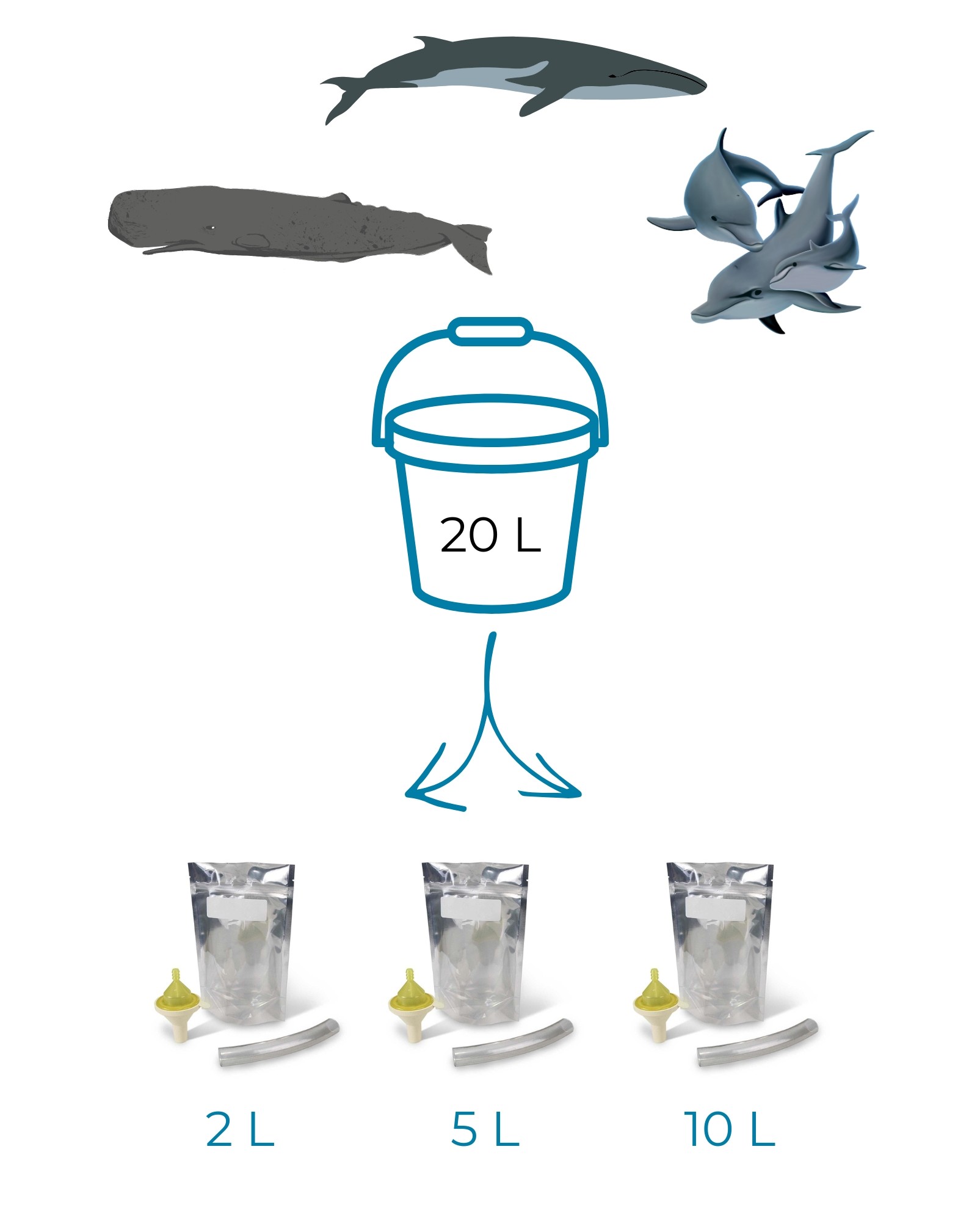
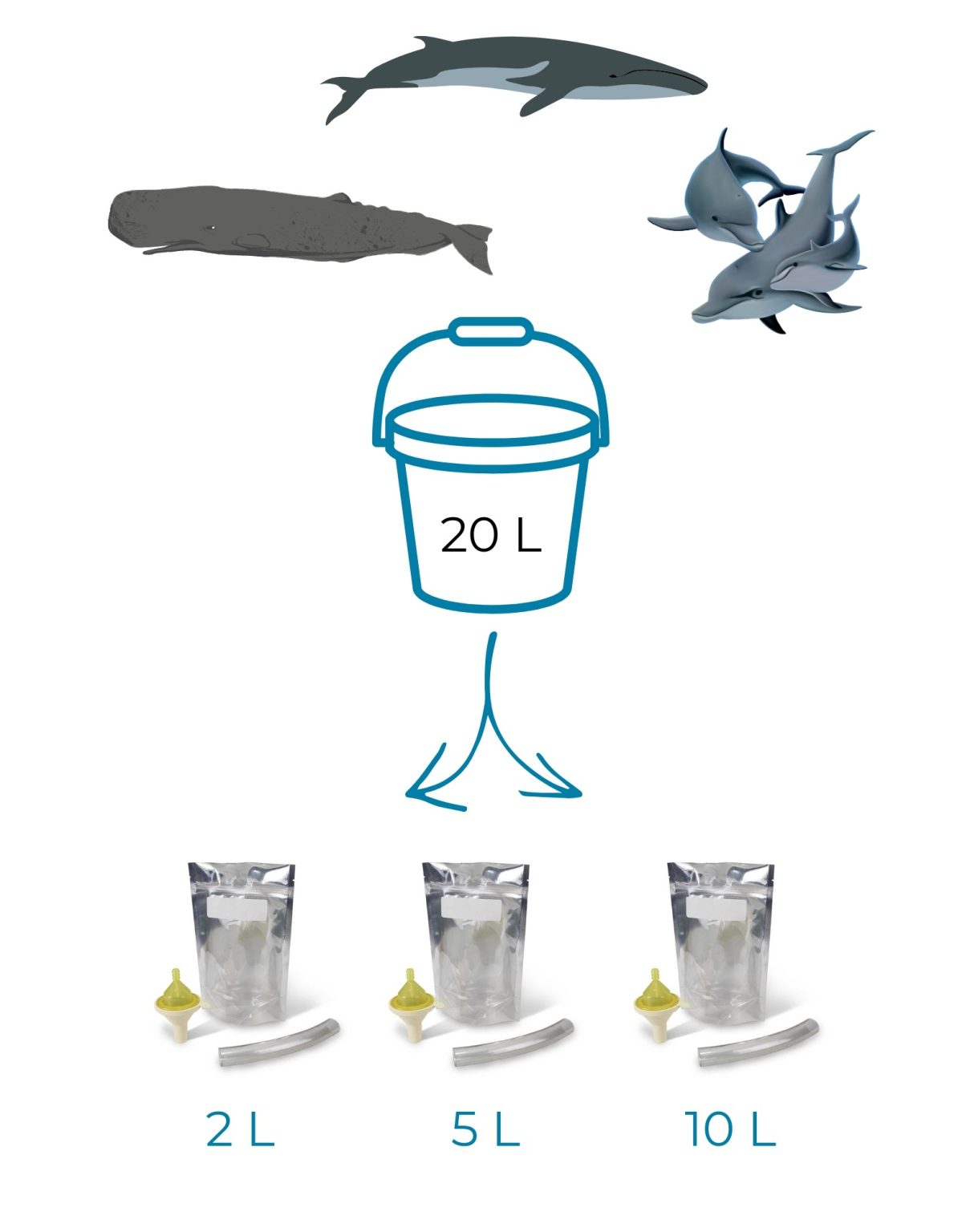
The objective of the Italian team during the 2023 field data collection period (19/07/2023 - 05/10/2023) was to collect varying water volumes (2, 5, 10 litres) for the purpose of investigating the minimum quantity of water required to locate eDNA traces inside.
Which eDNA filters were used?
The eDNA filters which were used during the first sampling campaign of eWHALE project in the Med Sea were: Sylphium (0.8 µm) and Smith-Root (1.2 µm).
How many litres of water did you have to collect?
For each encounter 20 L of water were collected, from which 2 litres, 5 litres and 10 litres were subsequently filtered with SR or SYL.
Which other species are possible to encounter in the study area?
In addition to cetacean’s species, other megafauna are also likely to be found in the Pelagos, including sea turtles (Caretta caretta), sunfish (Mola mola), mobula (Mobula mobular), and seabirds.
Where did you go sampling?
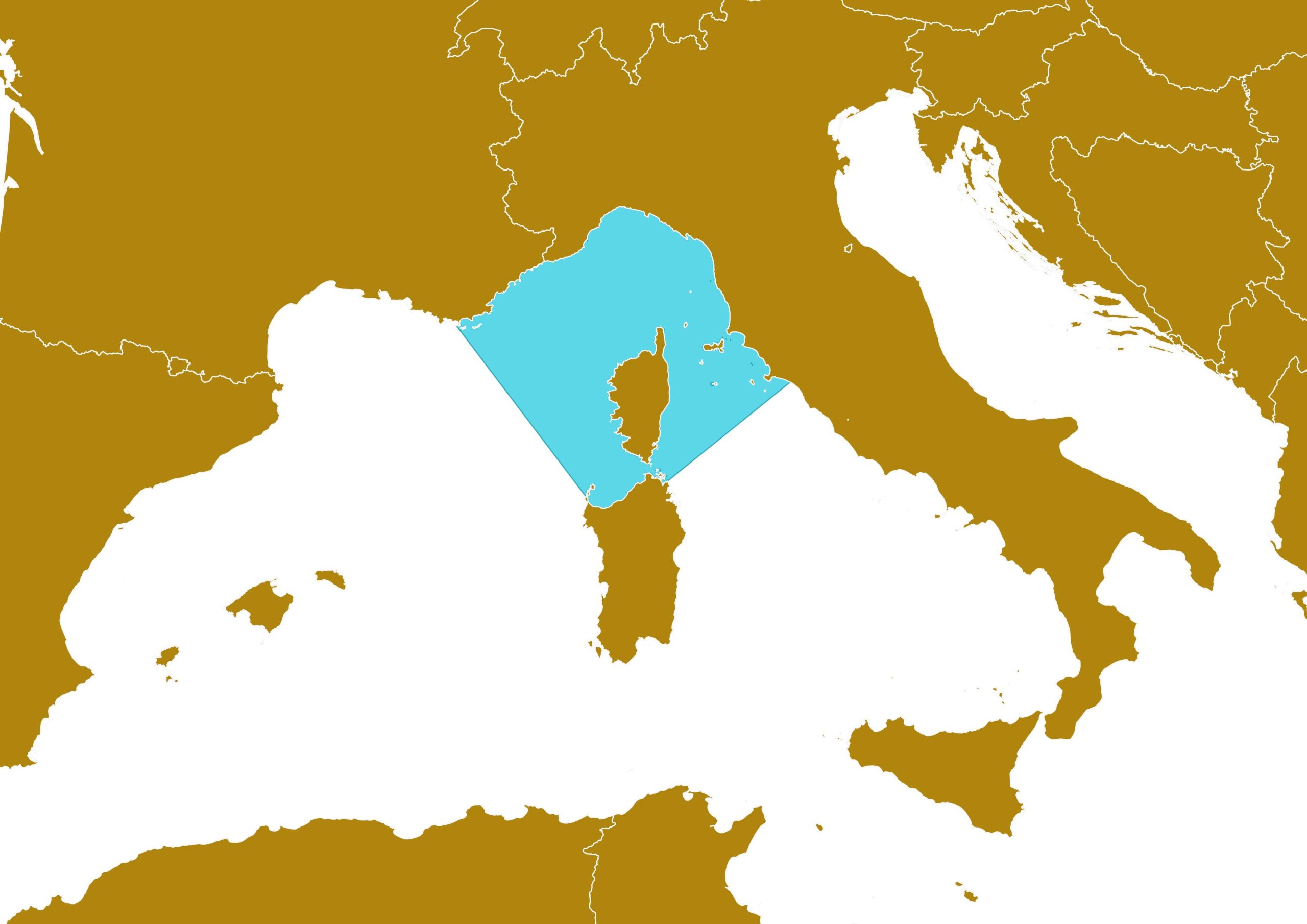
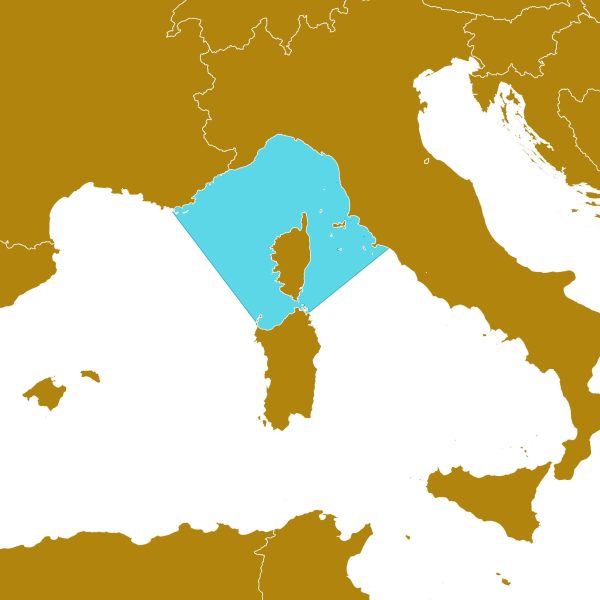
The sampling campaign was carried out in the Pelagos Marine Protected Area, a Special Marine Protected Area established on 25 November 1999 for the protection of marine mammals in the Mediterranean Sea, covering some 90,000 km2 in the north-west Mediterranean between Italy, France and the island of Sardinia, including Corsica and the Tuscan archipelago.
How were the weather/sea conditions?
During the summer in the Pelagos Sanctuary, the weather is usually ideal for research cruises and data collection. Only on a few occasions during the course of the season can rough seas and storms occur, and on these occasions, the daily sea trip must be cancelled.
Results
At the end of the first sampling campaign, we totalized 27 Sylphium + 3 of controls and 27 Smith-Root + 3 of controls, resulting in 60 filters.
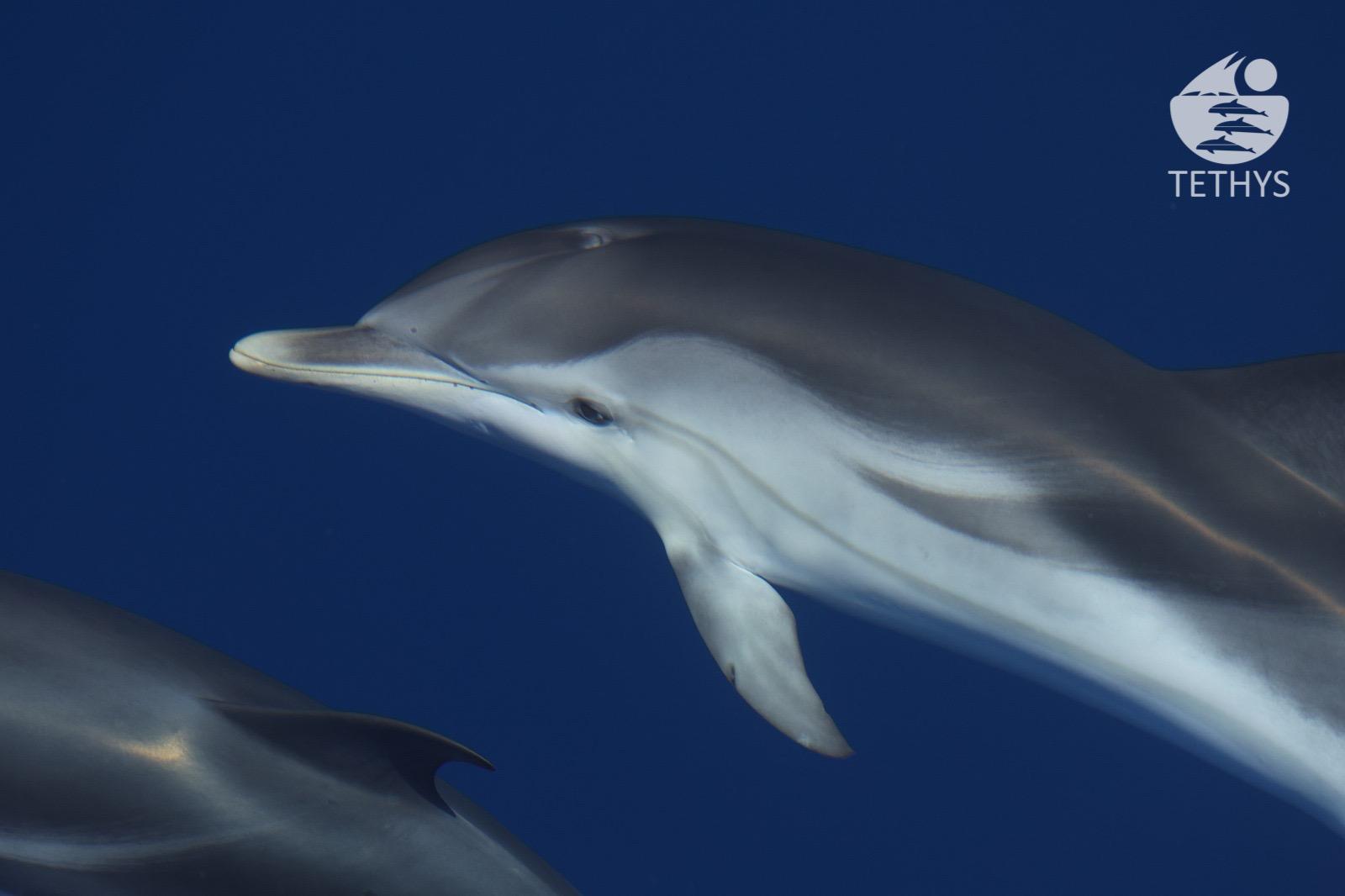
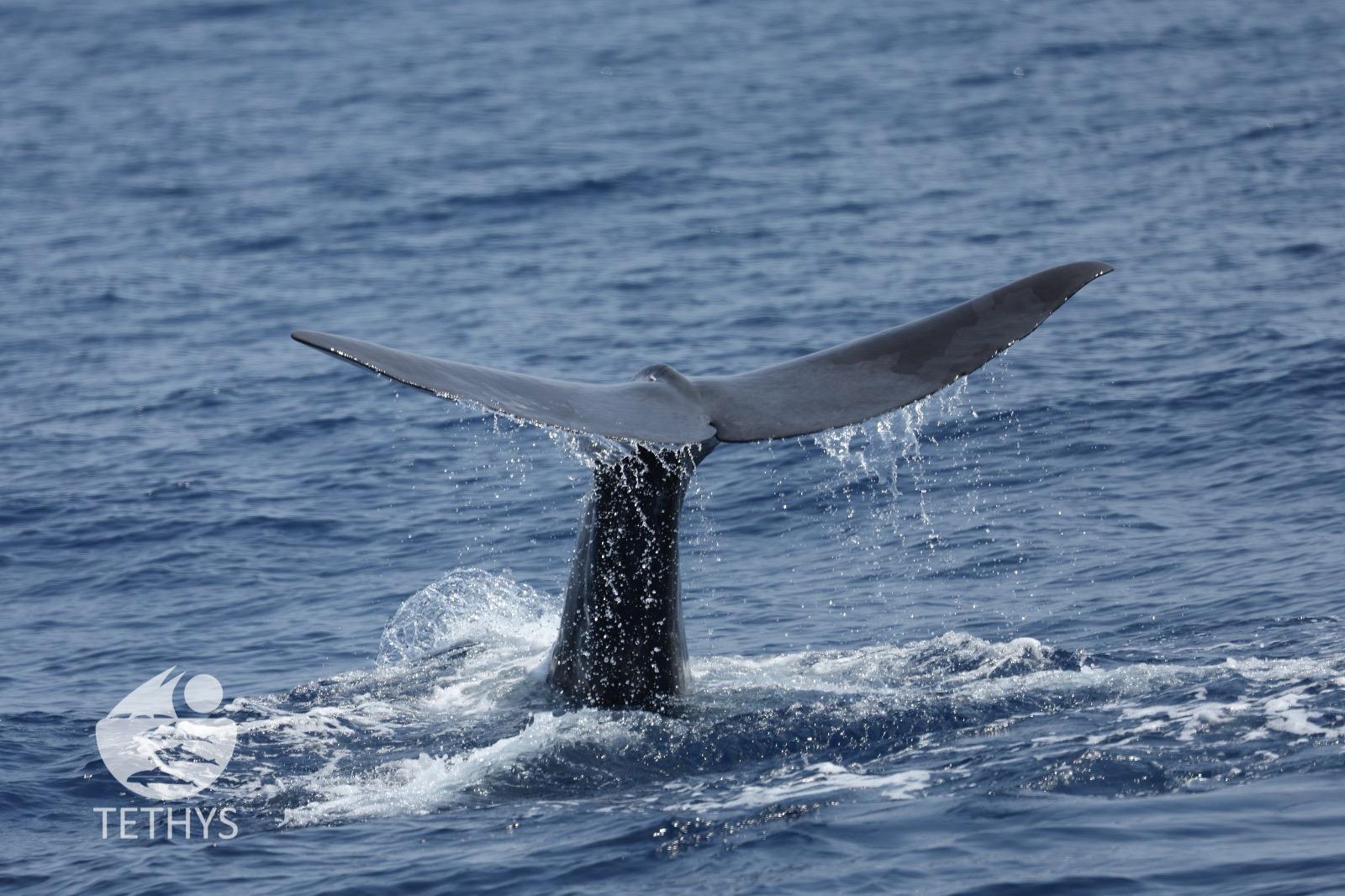
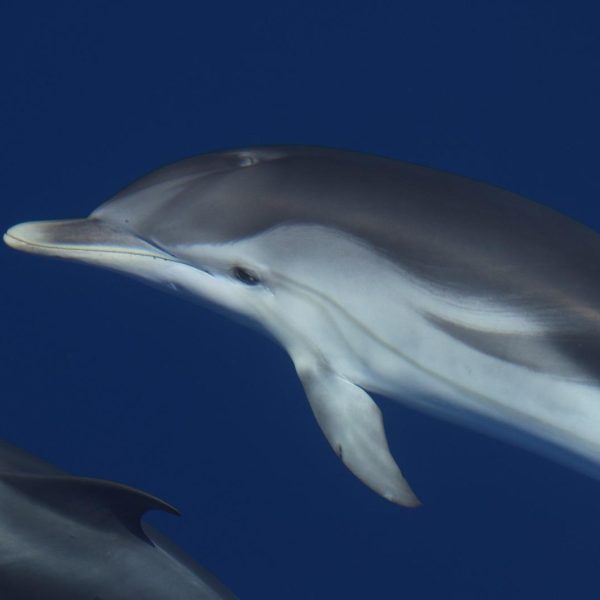
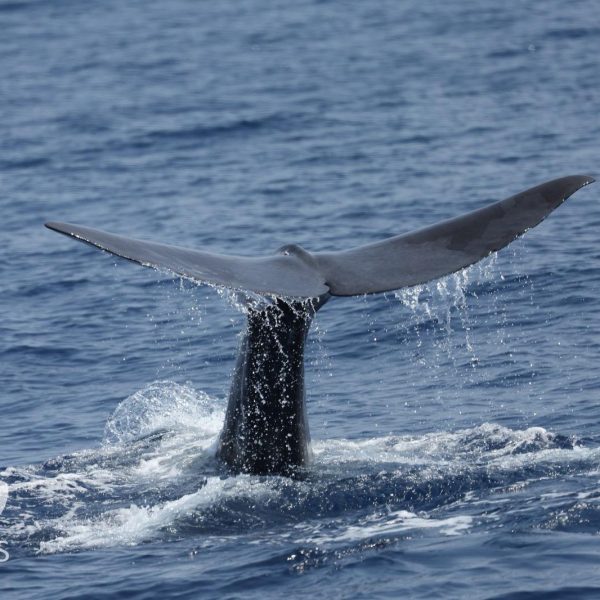
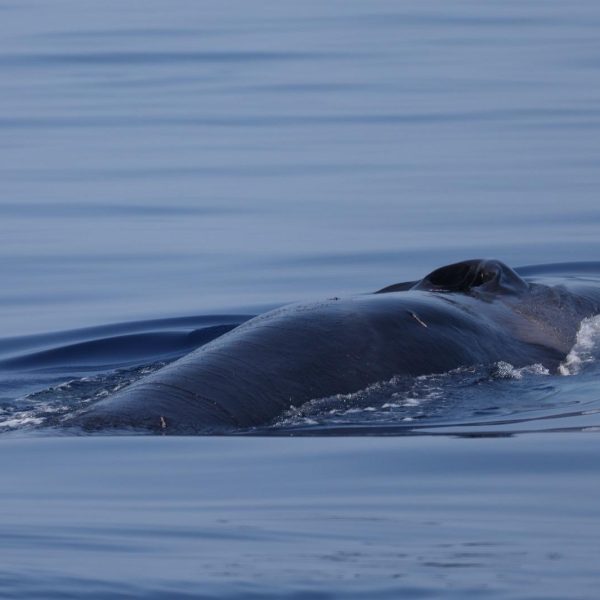
The target species of Italy in 2023 was the sperm whale, but we also managed to sample the most common ones, obtaining sampled from 22 encounters (individuals and/or groups of individuals) of 6 different cetacean species, including: 7 sperm whales, 6 fin whales, 2 striped dolphins, 2 bottlenose dolphins, 3 long-finned pilot whales and 2 Risso's dolphins.
Were you working with citizen scientists? If so, were they interested in eWHALE?
On board Pelagos (the Tethys Research Institute research vessel), most of the citizen scientists were very interested in learning about the ecology of Mediterranean marine mammals and the eWHALE project. As in the other two locations, most of the whale watching customers were unfamiliar with environmental DNA, but by the end of the week-long cruise, they had significantly increased their knowledge by being able to observe and learn about the whole process.
What was the best part of fieldwork?
Apart from meeting marine mammals, which is always an unforgettable experience, the best part of this job is being in contact with people who are passionate and willing to learn more about the ecology and conservation of these magnificent species.
What was the most interesting thing that happened in the field?
During one of the sightings, a very curious sperm whale approached the bow of the boat, stuck its head out of the water, and looked at us intently. It was a wonderful feeling and an unforgettable experience.

 English