Category: field work

Fieldwork in the Med Sea 2024

Written by Eleonora Barbaccia, PhD Student at Politecnico di Milano

Which eDNA filters were used?

The results obtained from the previous field sampling campaign, identified 10 L water samples and Smith-Root filters as the most practical option for eDNA cetacean research (Rodriguez et al., 2025).

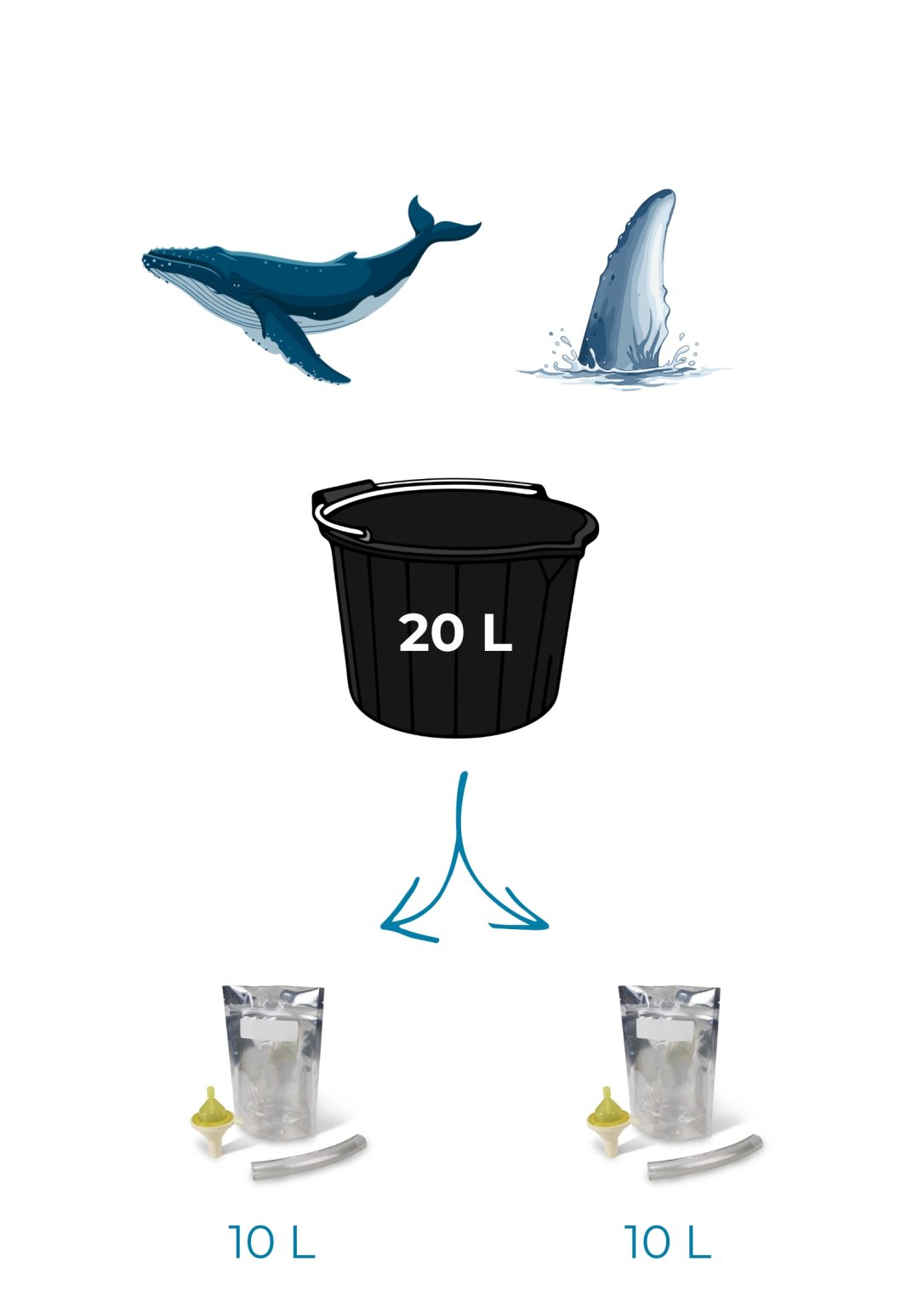
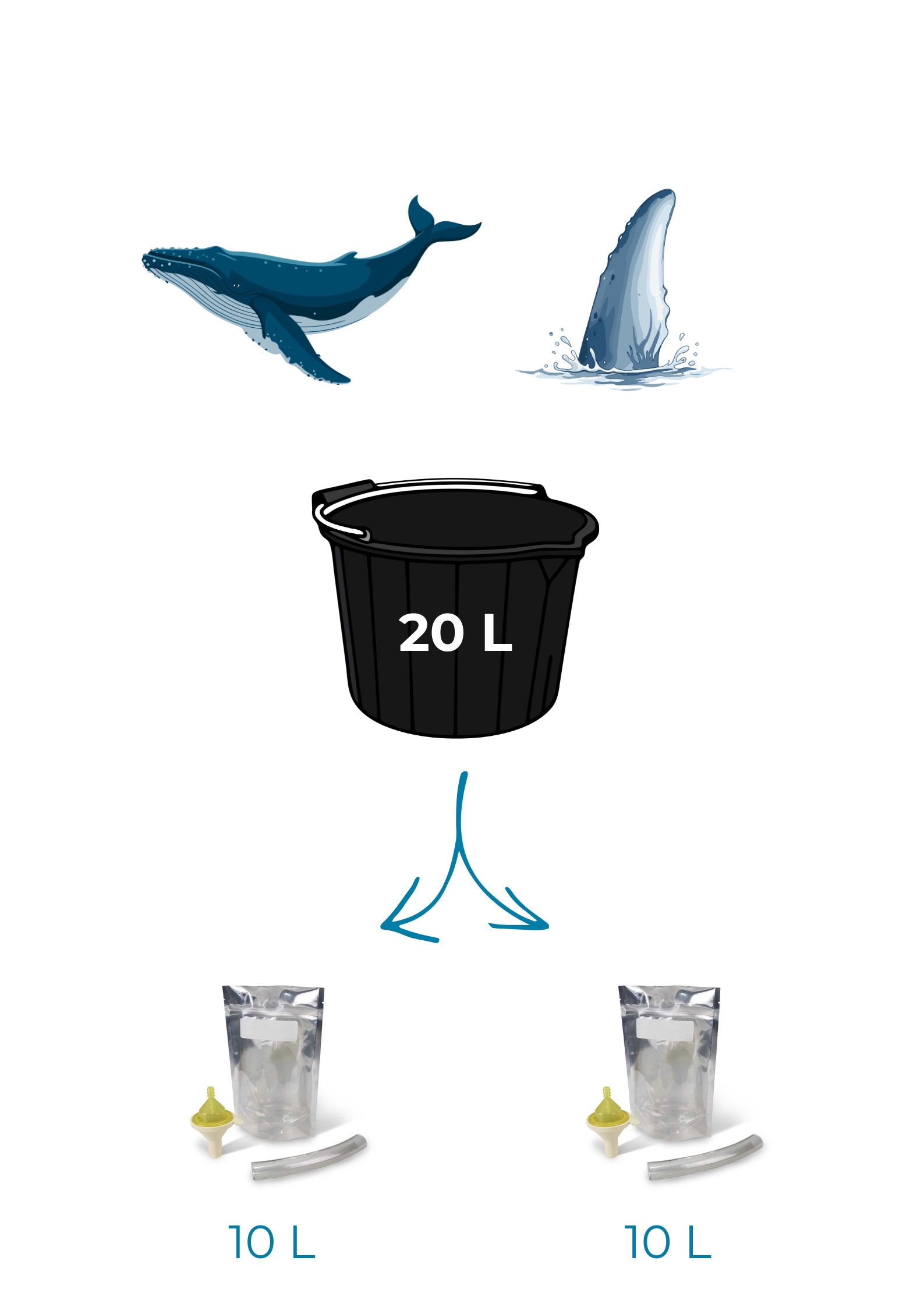
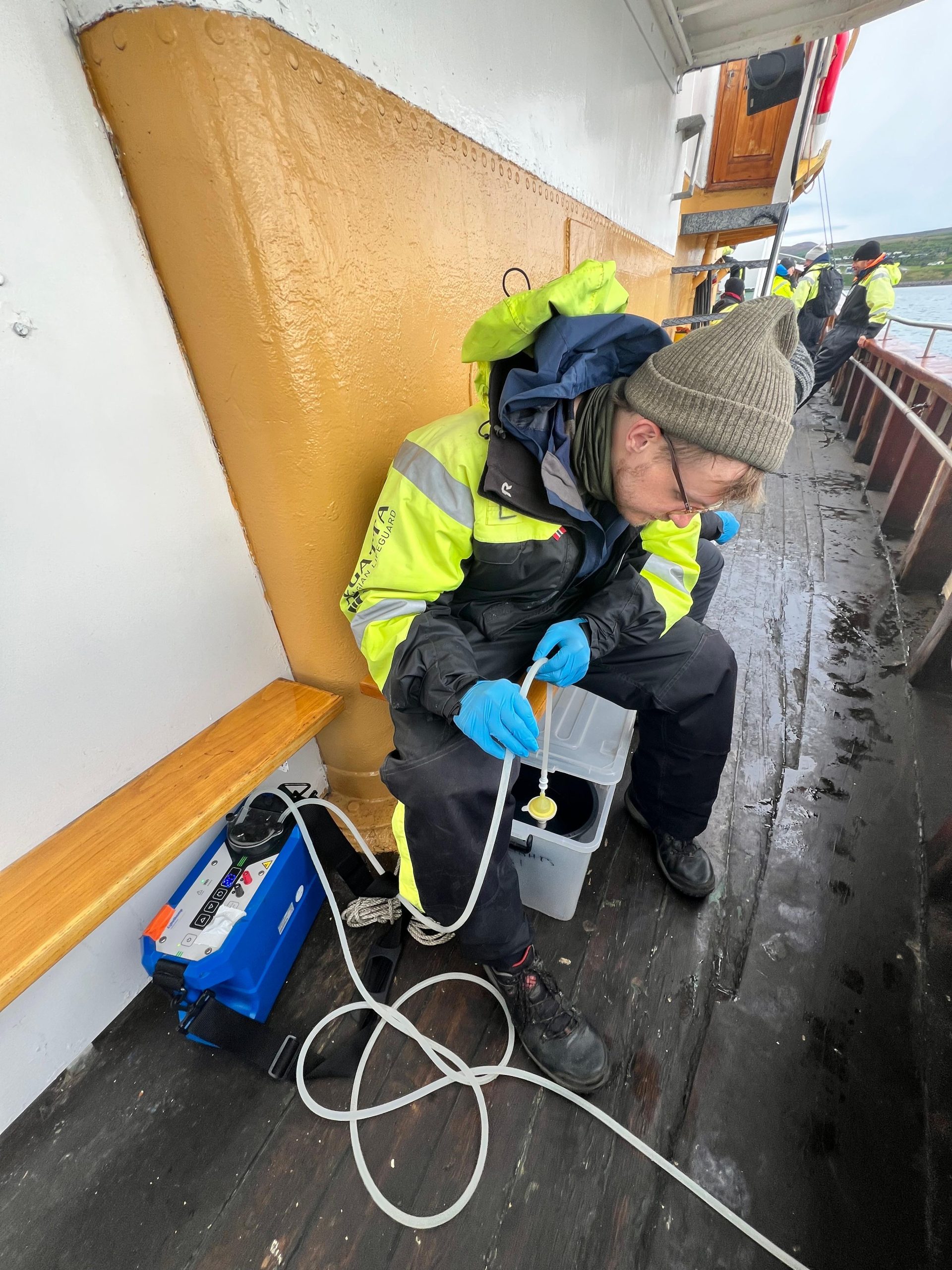
Therefore, the 2024 season aimed to collect two Smith-Root filters (1.2 µm) for each encounter (2 x 10 L) and Waterra filters (0.45 µm) for population genetic analysis (2 x 30 L).
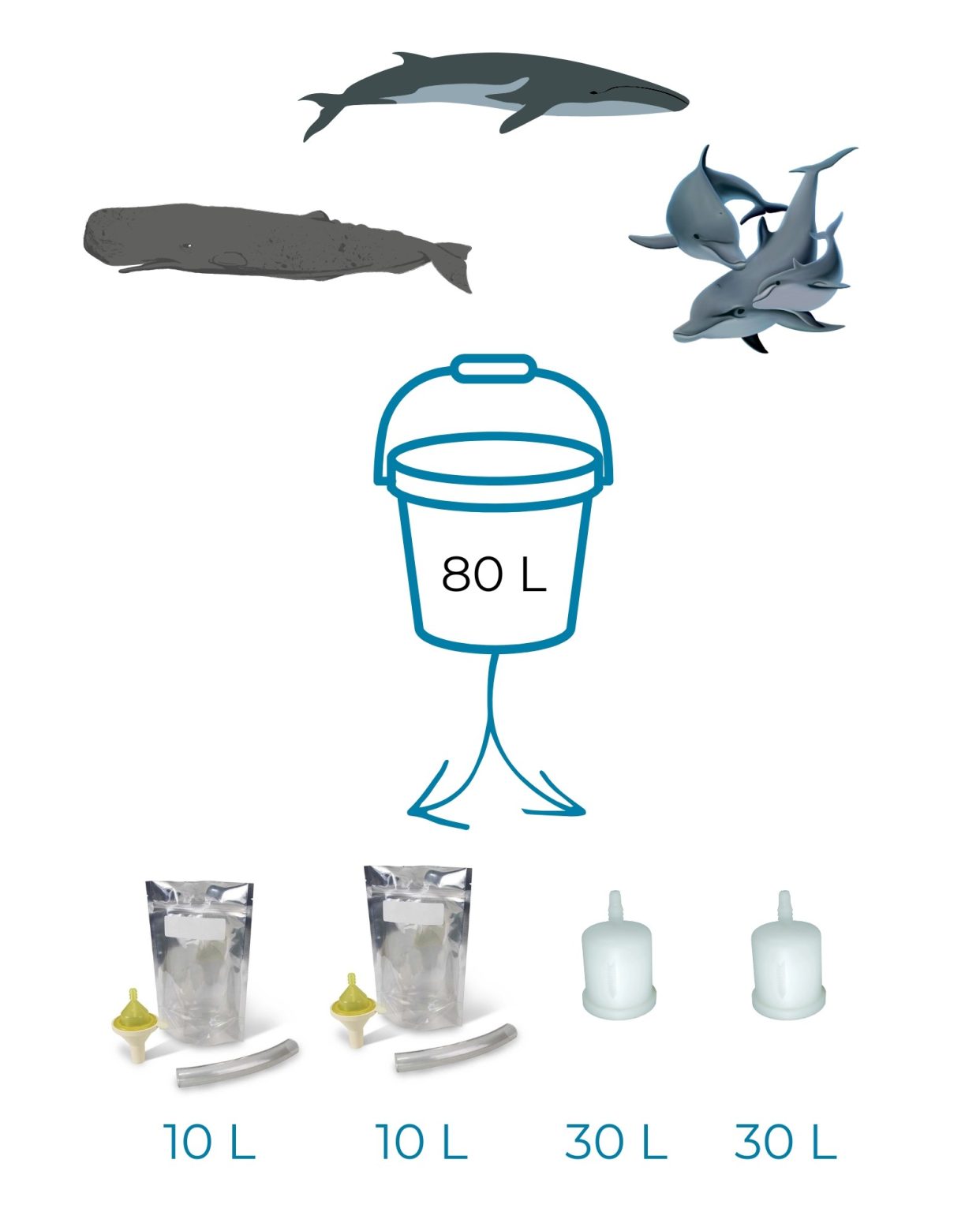
Italy Sampling Protocol 2024


How many litres of water did you have to collect?

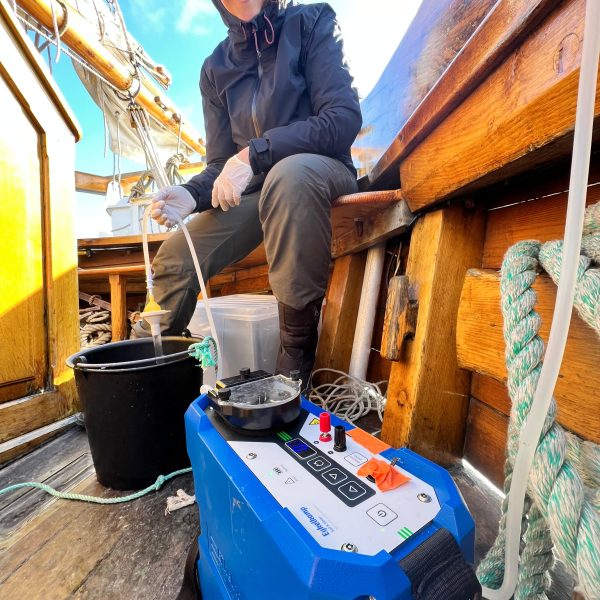
For each encounter, we collected 80 L of seawater, of which 2 × 10 L were subsequently filtered with Smith-Root (SR) filters and 2 × 30 L with Waterra (WAT) filters.

Which species were you targeting and why?

In 2024, the Italian fieldwork focused mainly on single individuals of large cetaceans, in particular sperm whales (Physeter macrocephalus) and fin whales (Balaenoptera physalus), as well as the most frequently sighted dolphin species.


Results

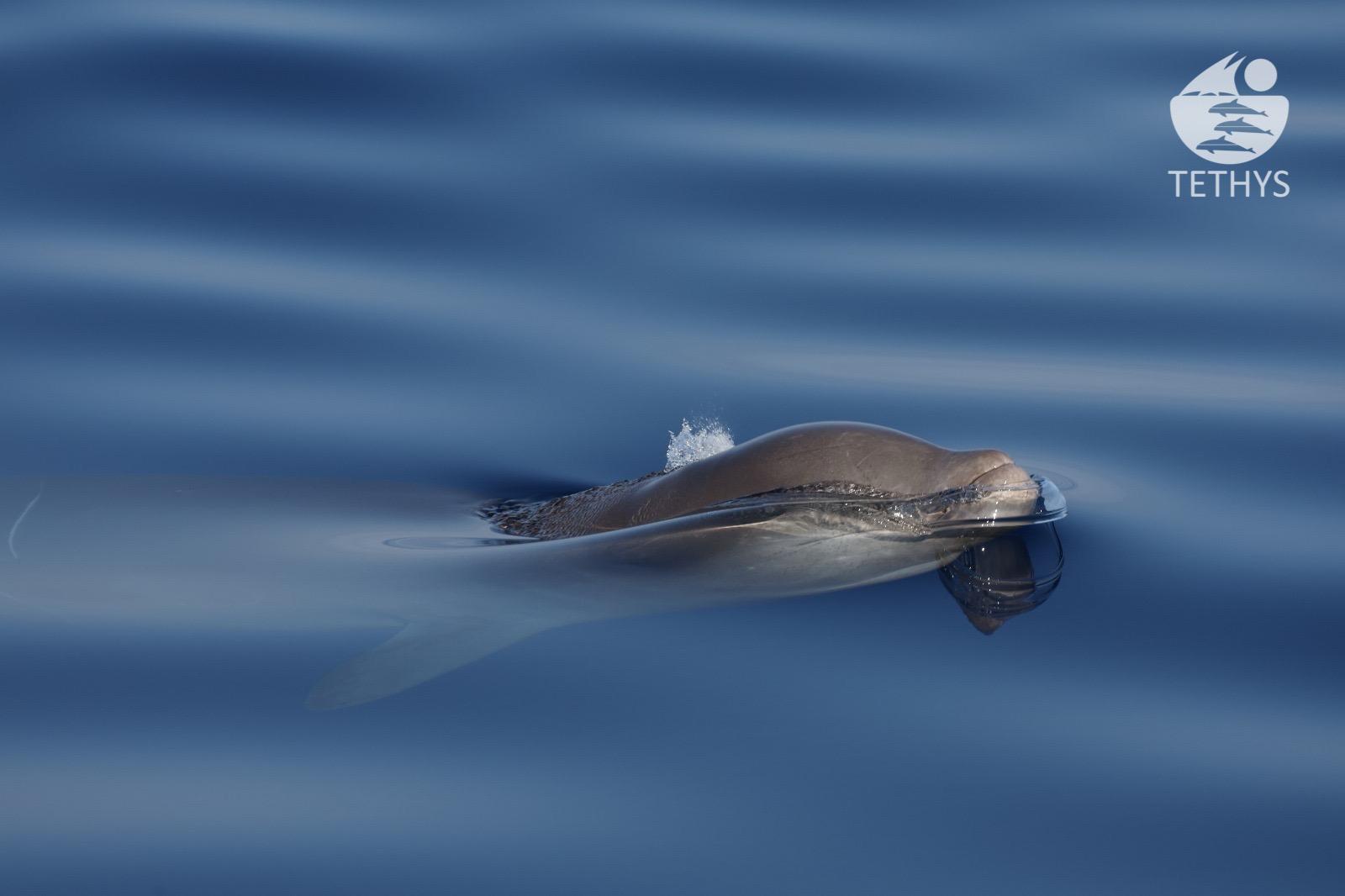
During the 2024 sampling campaign in the Ligurian Sea, a  total of 61 SR (57 filters + 4 blank controls) and 22 WAT (20 filters + 2 blank controls) collected from 31 encounters (individuals and/or groups) belonging to 7 cetacean species, among which were elusive and rare ones:

10 sperm whales (Physeter macrocephalus), 10 fin whales (Balaenoptera physalus), 5 striped dolphins (Stenella coeruleoalba), 1 bottlenose dolphin (Tursiops truncatus), 3 long-finned pilot whales (Globicephala melas), 1 Risso’s dolphin (Grampus griseus) and Cuvier's beaked whale (Ziphius cavirostris).
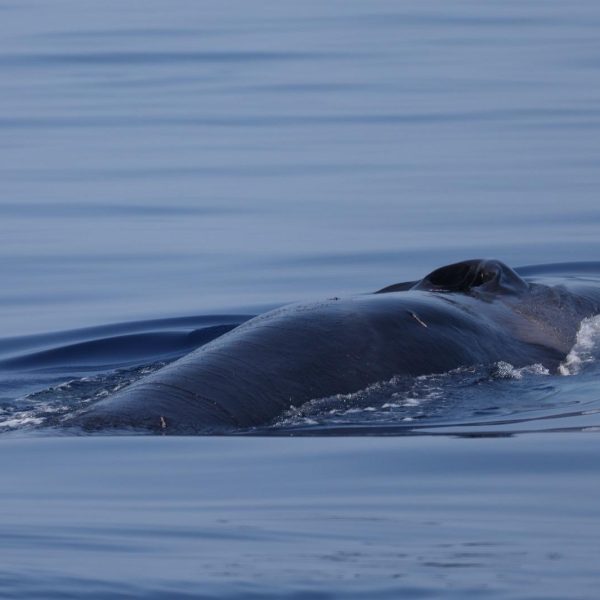
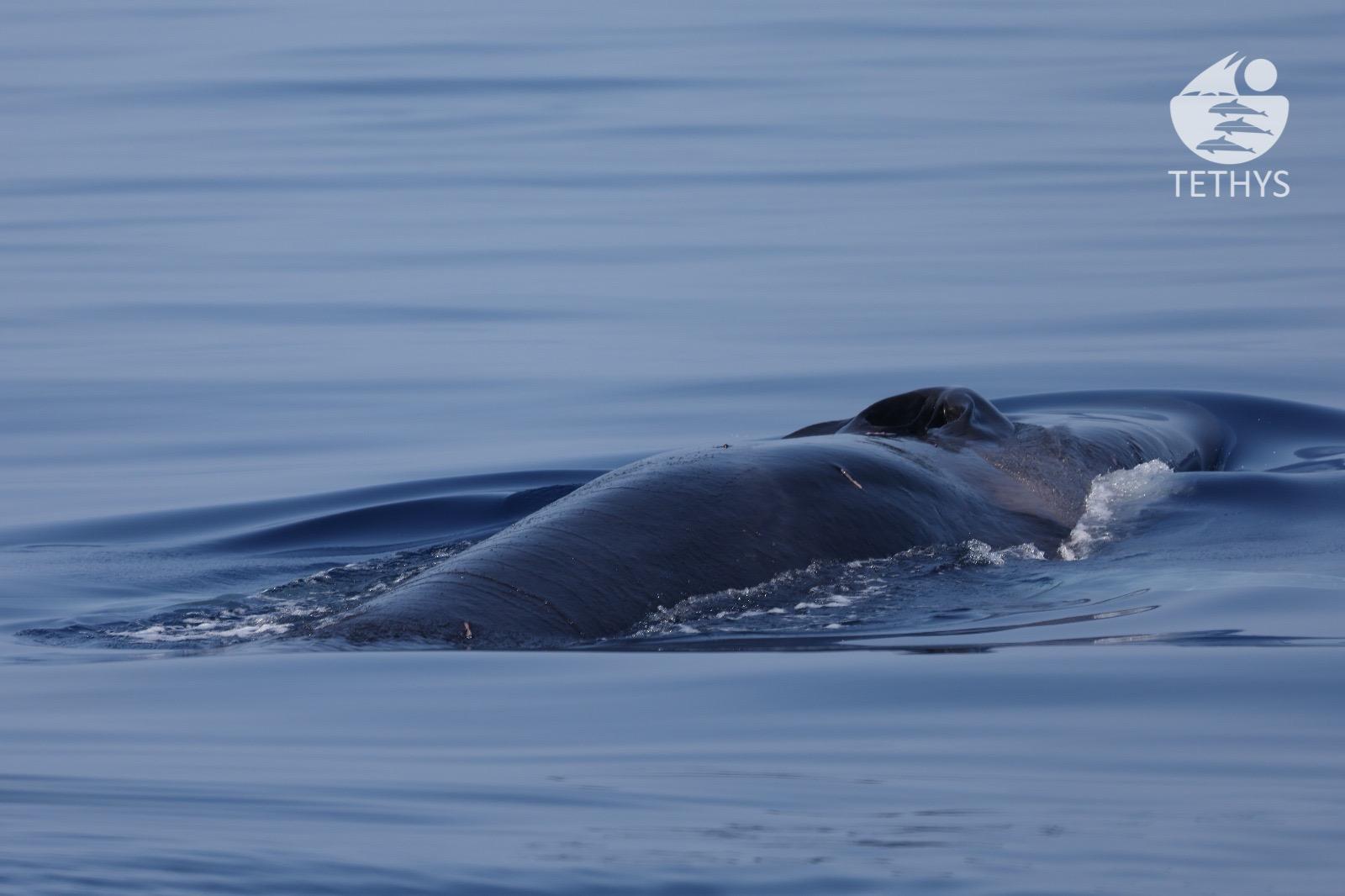
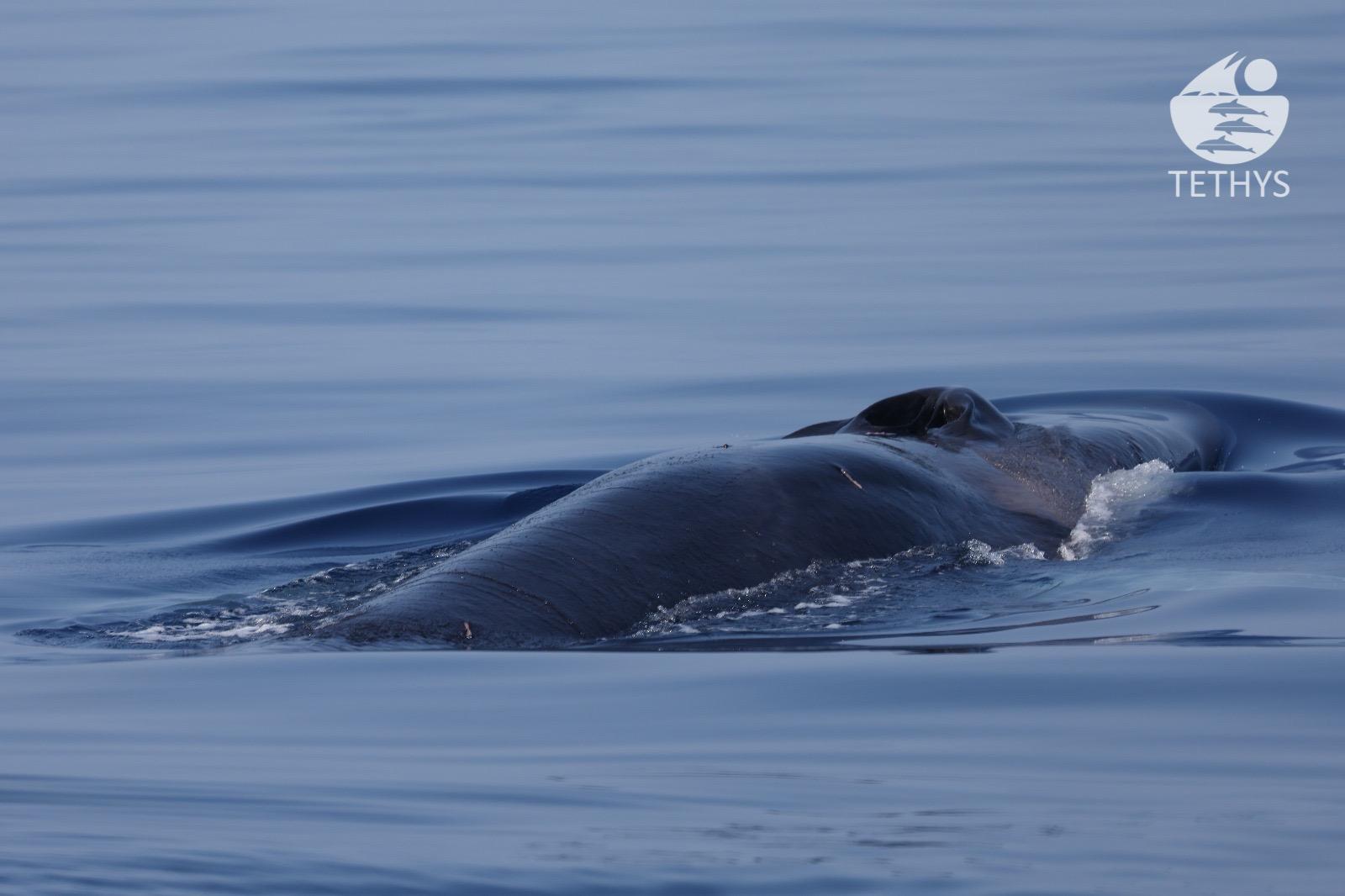
Fin whale (Balaenoptera physalus)

Were you working with citizen scientists? If so, were they interested in eWHALE?

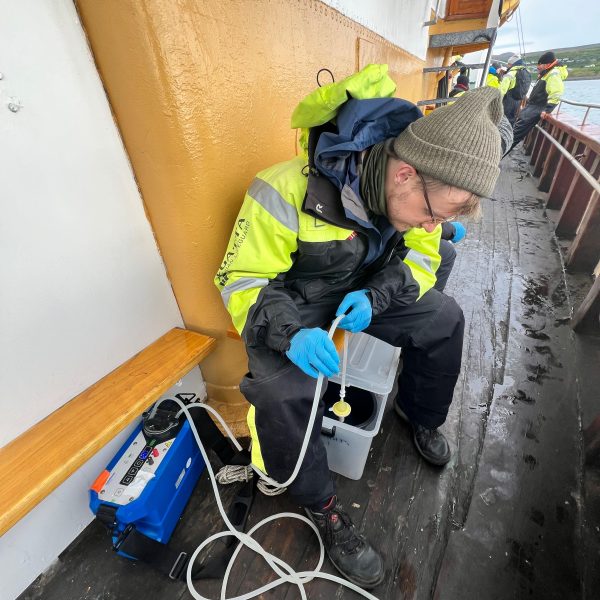
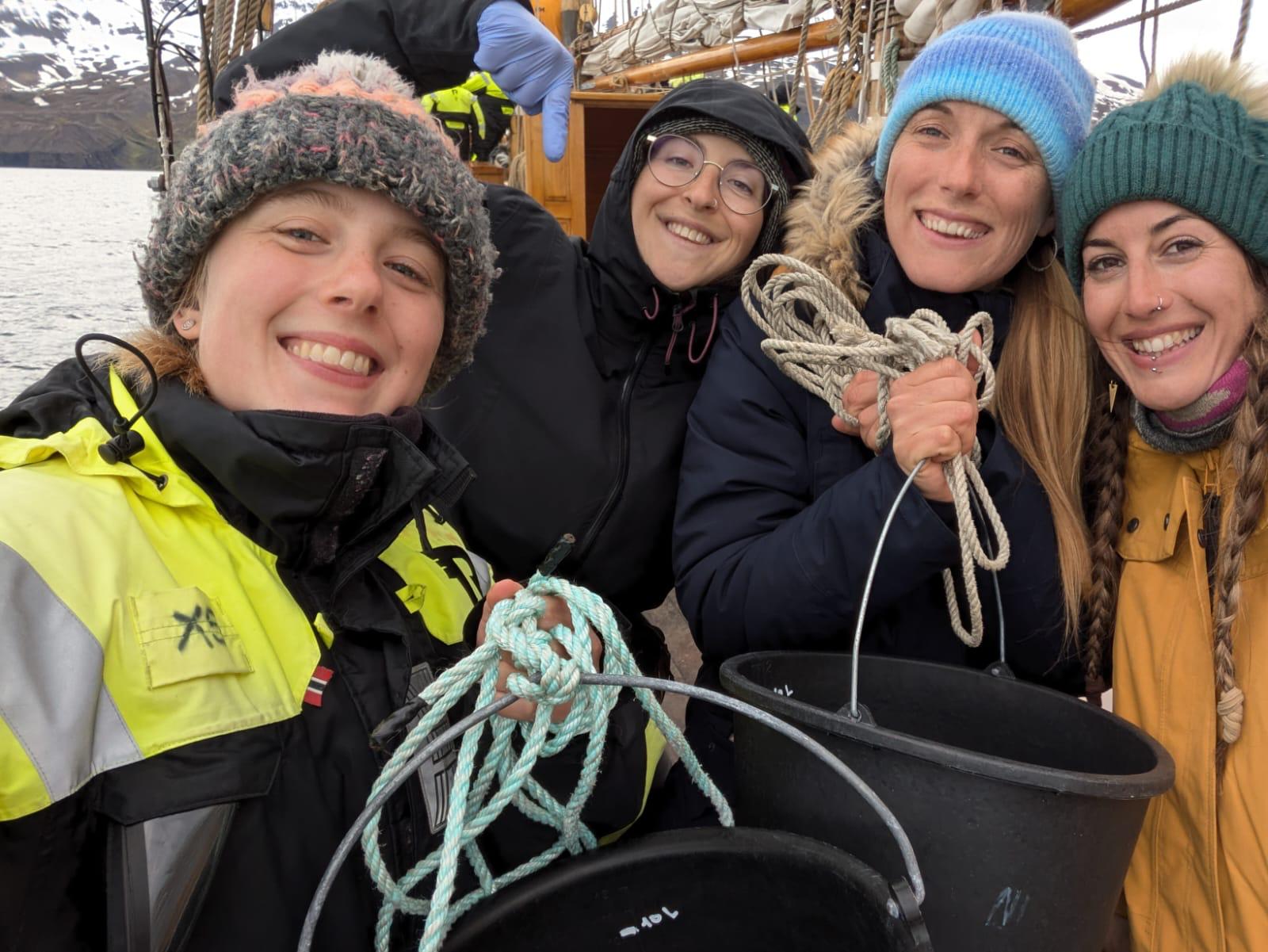
On board Pelagos, the Tethys Research Institute’s research vessel, most citizen scientists were very interested in learning about environmental DNA (eDNA) and the eWHALE project. While many participants were initially unfamiliar with eDNA, over the course of the week-long cruise, as they observed and discussed the sampling procedures and project goals, their knowledge and interest grew markedly, together with a stronger willingness to contribute to marine conservation.
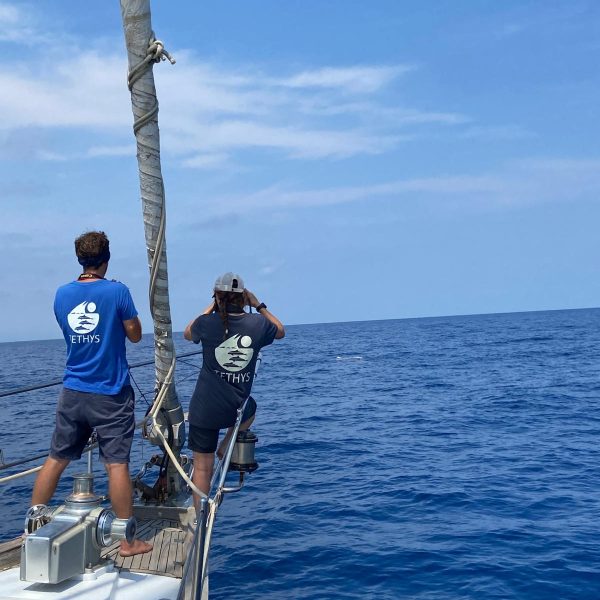
Mario Gabualdi & Eleonora Barbaccia


What was the most interesting thing that happened in the field?

During the 2024 season, for two consecutive days we had the opportunity to sight and sample Cuvier’s beaked whales (Ziphius cavirostris), a species that is generally very rare to encounter in our study area as it usually occurs on the other side of the Pelagos Sanctuary. This group of three individuals made us extremely happy and, for most of us, it was our first ever encounter with this species.
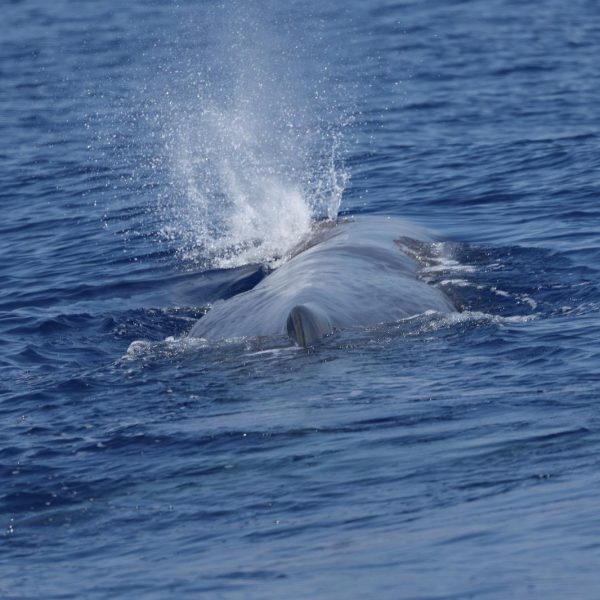
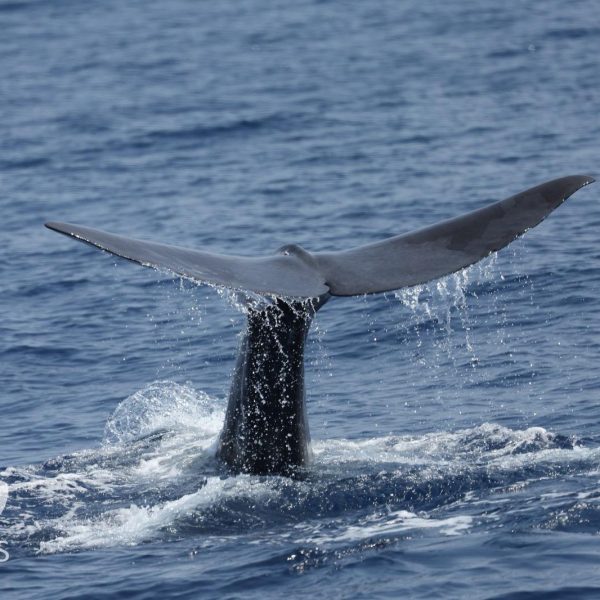
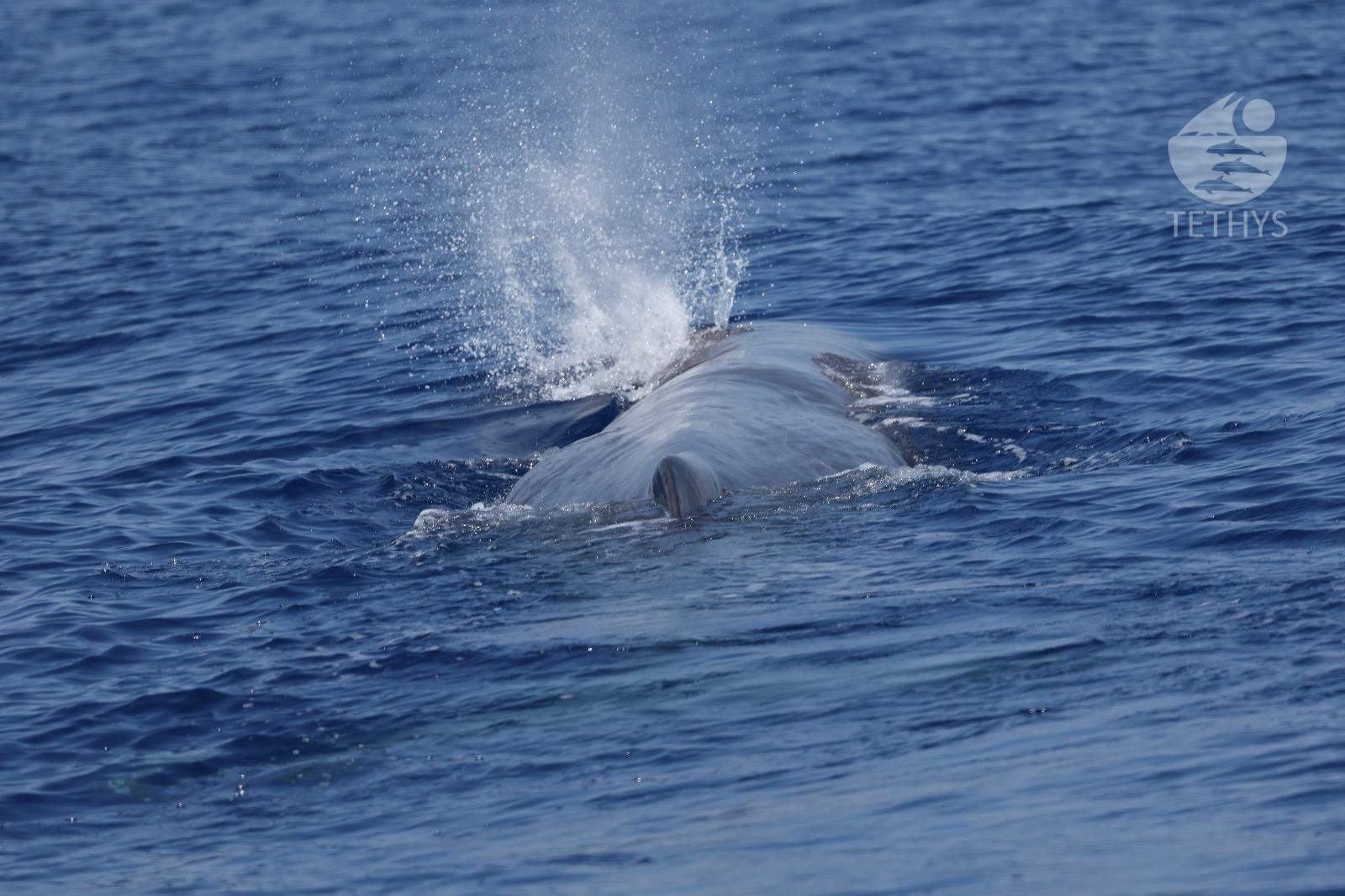
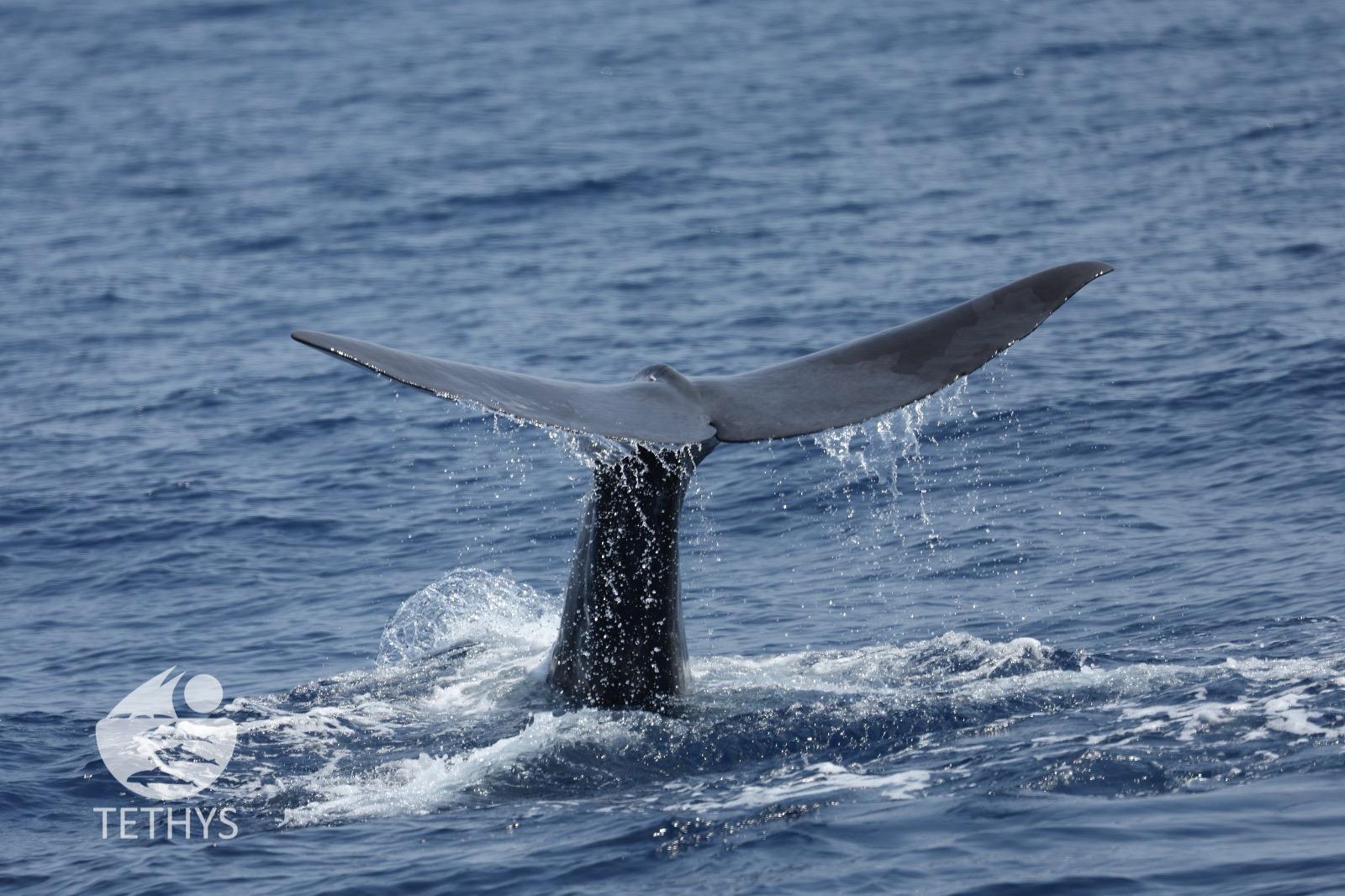
The sperm whale or cachalot (Physeter macrocephalus)
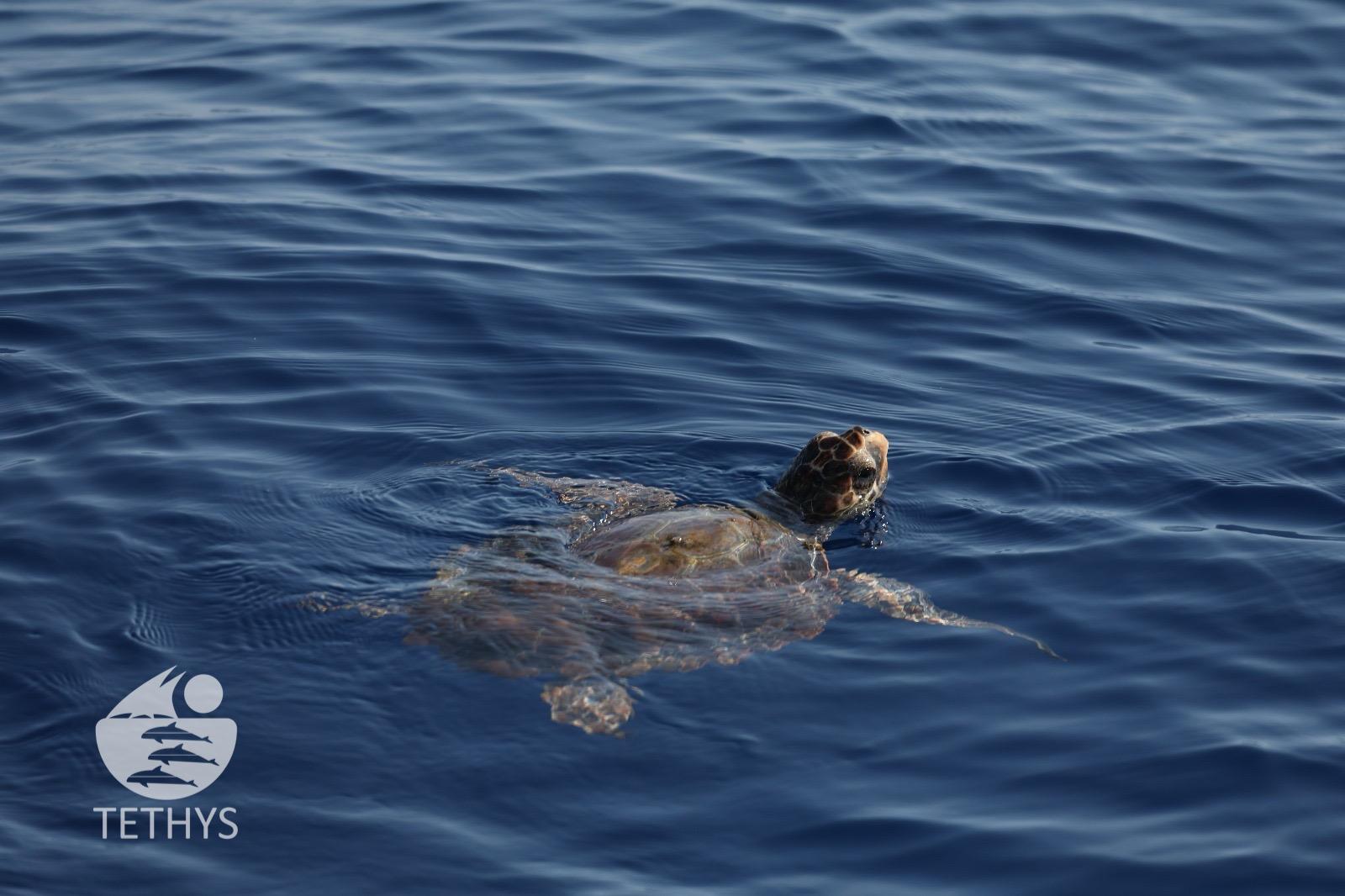
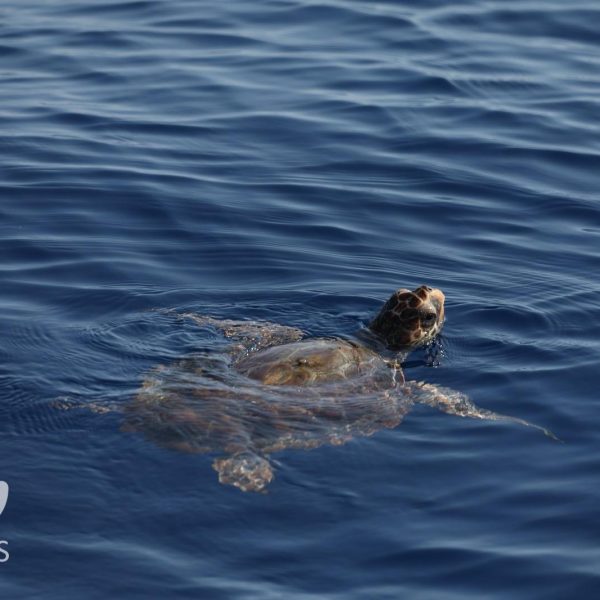
The loggerhead sea turtle (Caretta caretta)
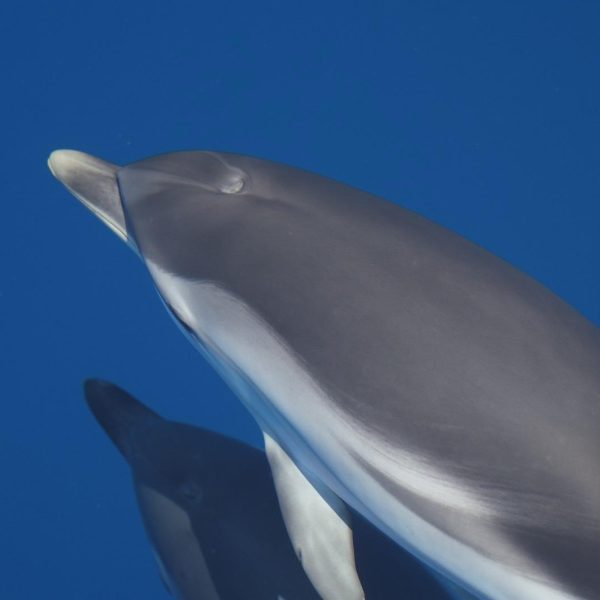
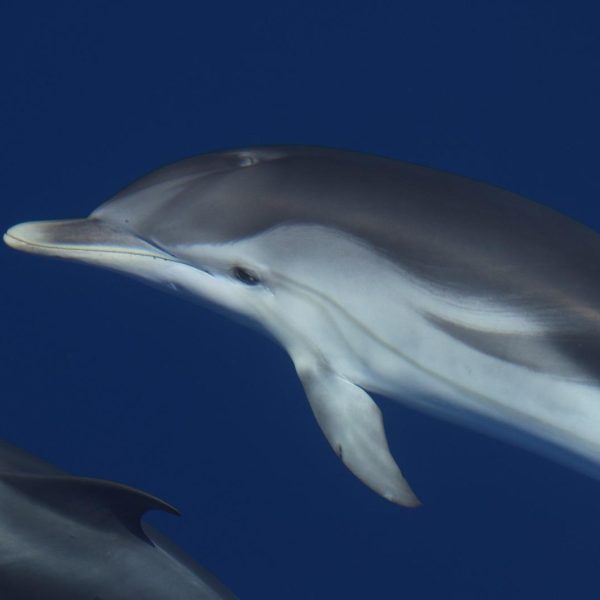
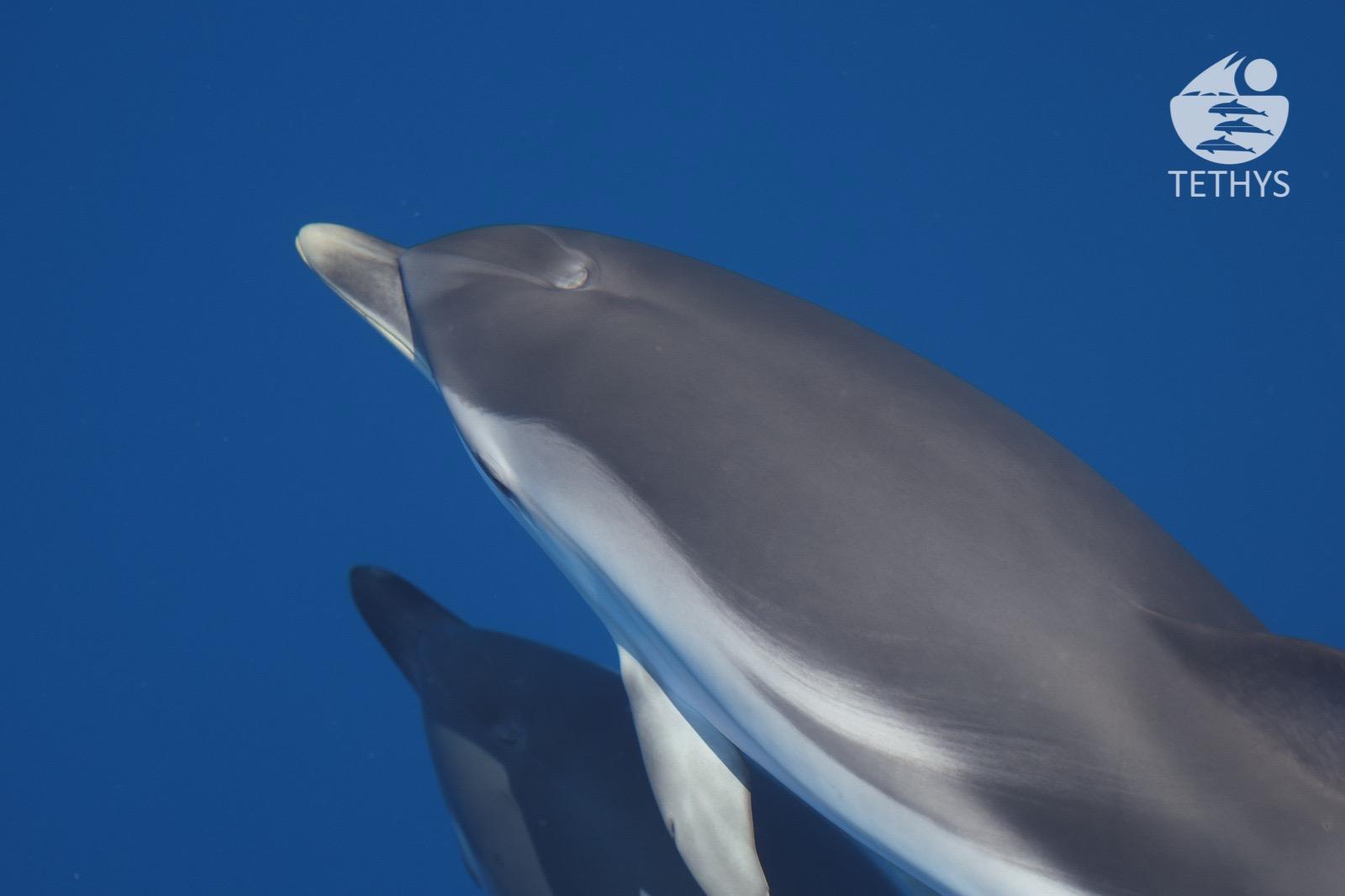
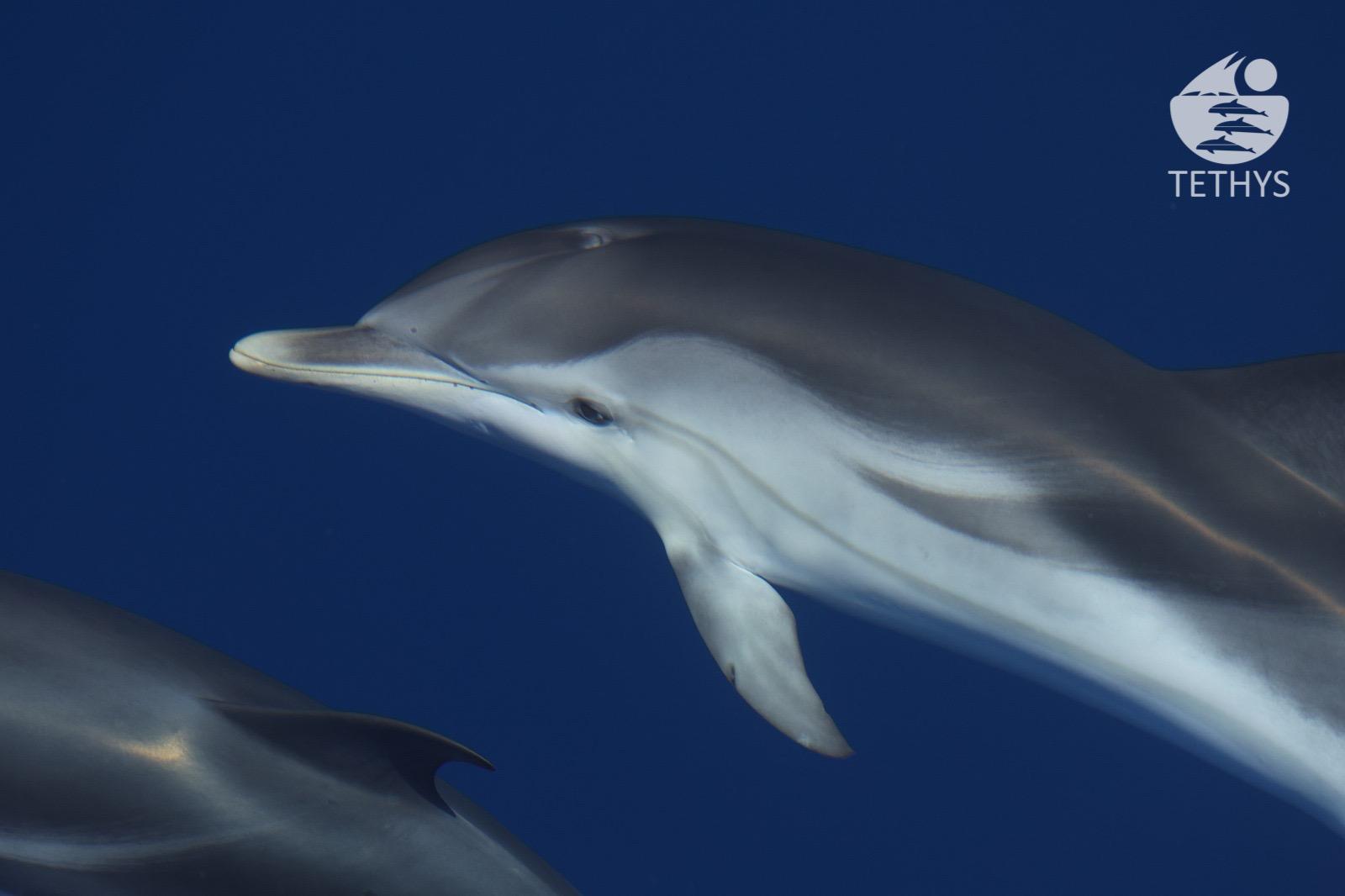
Striped dolphin (Stenella coeruleoalba)
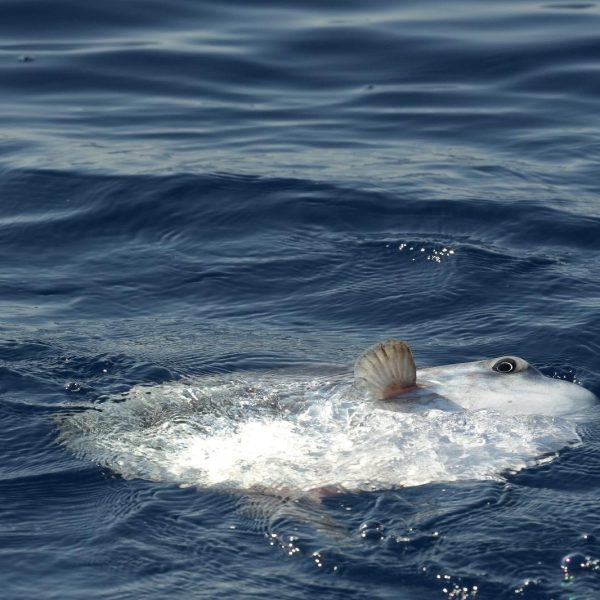
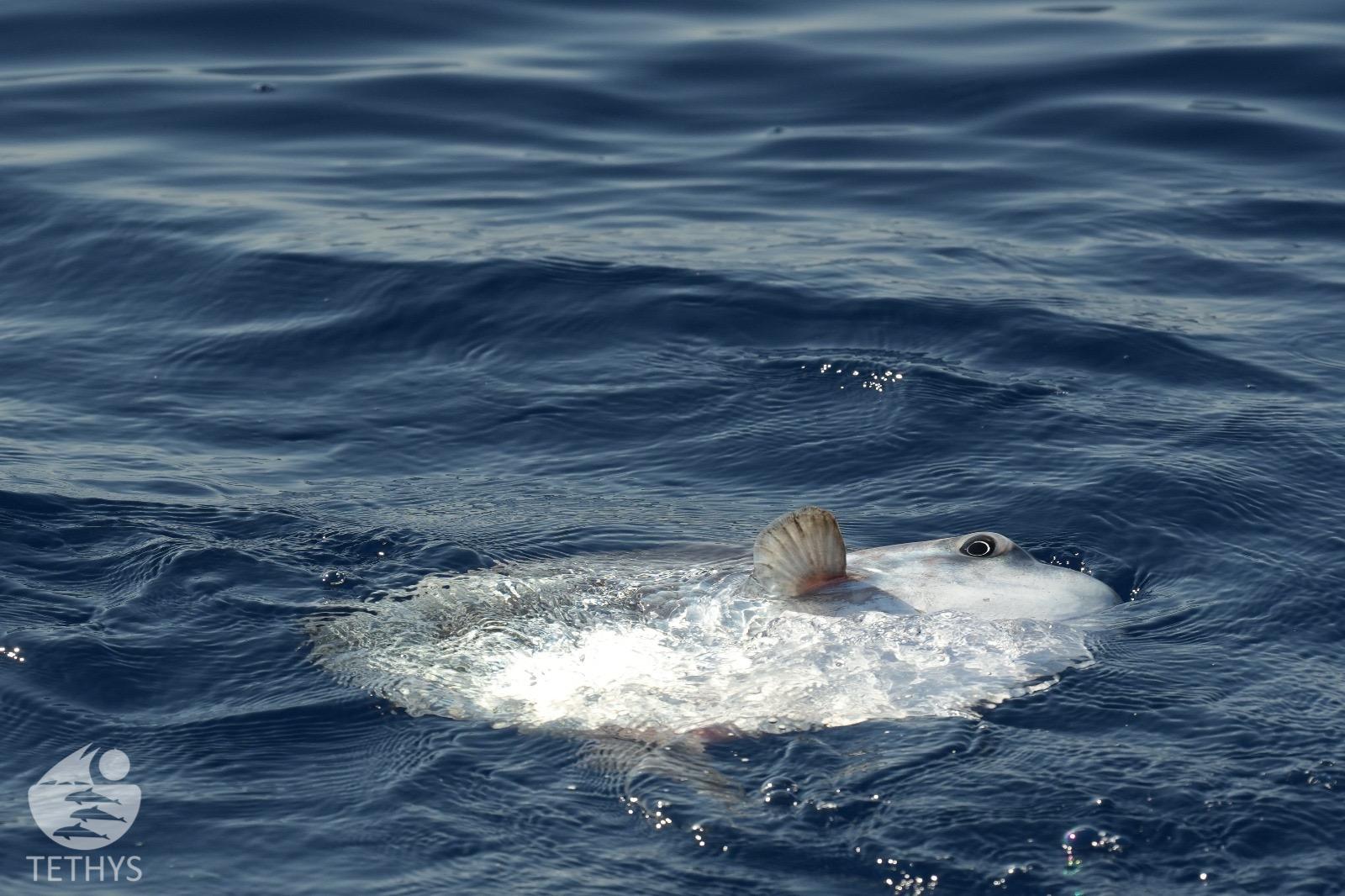
Sun fish (Mola mola)
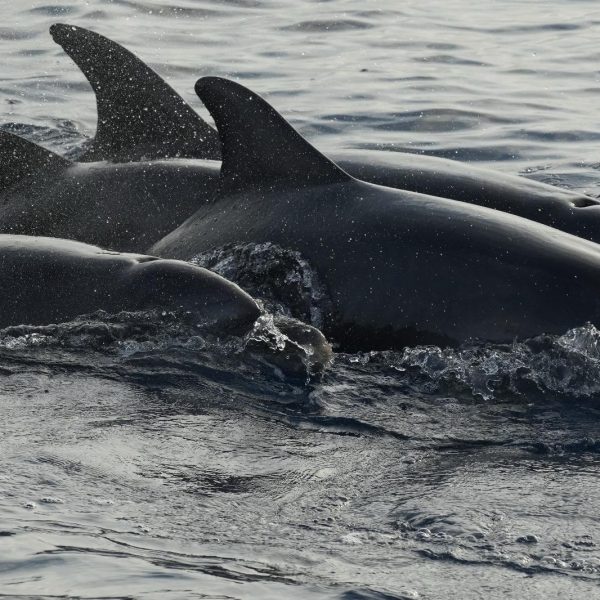
Long-finned pilot whale (Globicephala melas)
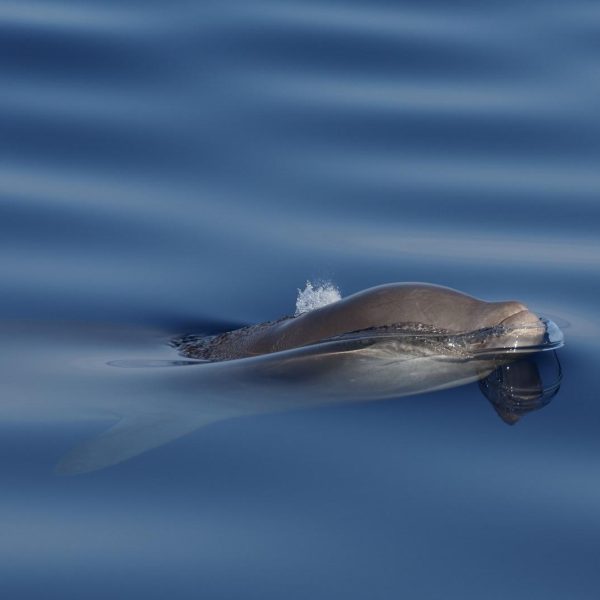
Cuvier's beaked whale, goose-beaked whale, or ziphius (Ziphius cavirostris)

Fieldwork in Iceland 2024

Written by Belen Garcia Ovide, PhD Student at University of Iceland

Which eDNA filters were used?

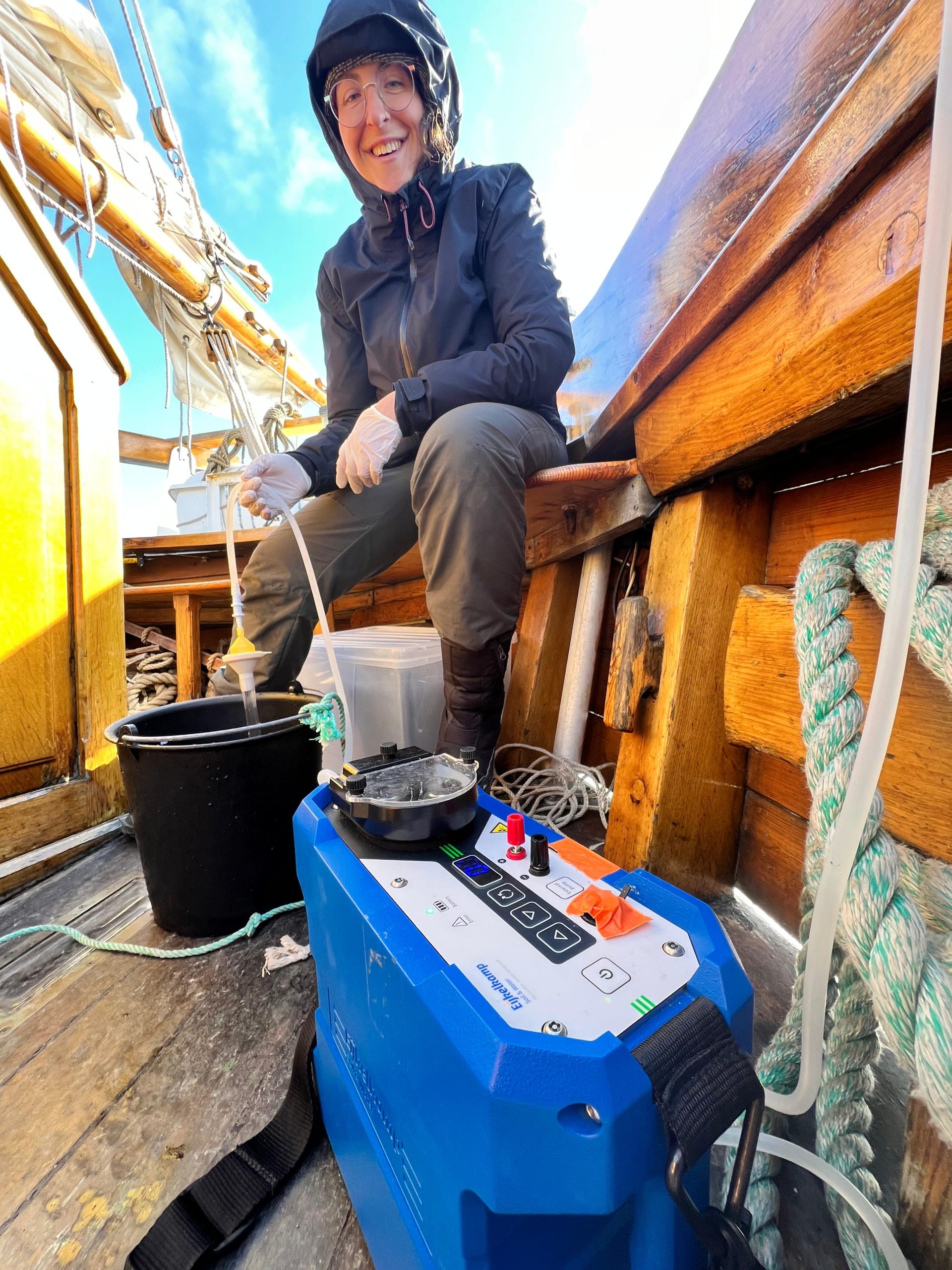
During the 2024 field season, we used Smith-Root eDNA filter cartridges with a pore size of 1.2 µm. For each whale encounter, we aimed to collect two replicate samples, filtering up to 10 L of seawater per replicate (2 × 10 L) with a maximum filtration time of 45 minutes for each. The sampling strategy was designed to obtain at least one eDNA sample per week throughout the season.

Iceland Sampling Protocol 2024

Which species were you targeting and why?

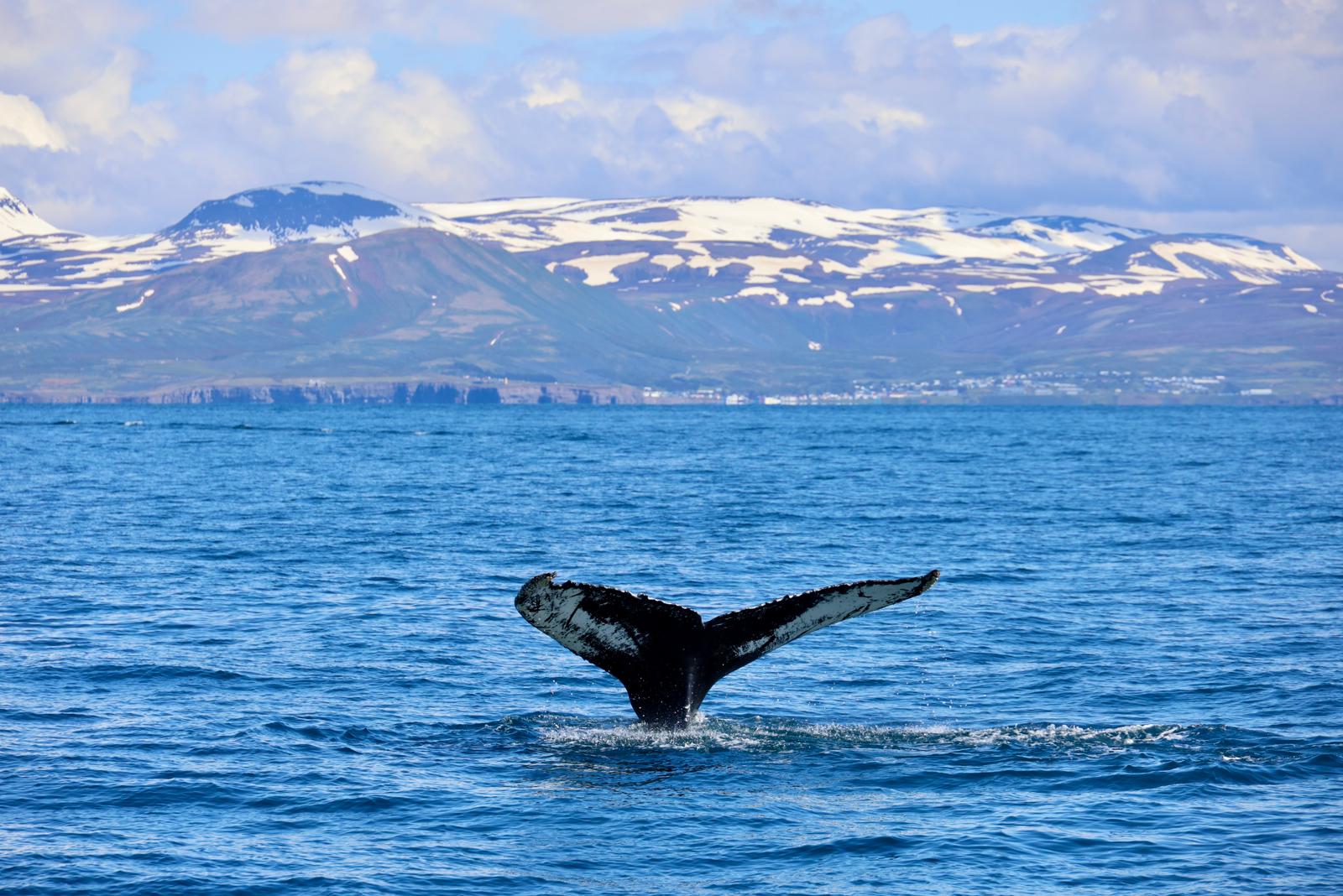
In 2024, fieldwork in Skjálfandi Bay (Iceland) focused mainly on humpback whales (Megaptera novaeangliae), the most frequently observed baleen whale in the area, which are regularly present in the bay from early spring to late autumn (approximately March–November). Sampling also opportunistically included blue whales (Balaenoptera musculus), which migrate through Skjálfandi Bay in spring and early summer, with most sightings typically occurring between April and June.

Results

A total of 98 samples were collected from fluke prints using Smith-Root filters in Iceland, onboard North Sailing whale watching boats and citizen science weekly tours. These included 9 field controls, 85 samples from humpback whales, and 4 from blue whales, collected between April and November. Two replicates were collected for each sample, with filtration volumes per replicate ranging from 4.5 to 10 L, limited by a maximum filtration time of 45 minutes.

Sampling conditions and filtration performance in Skjálfandi Bay

In April, no whales were sighted in Skjálfandi Bay until the final days of the month, and adverse weather conditions further constrained sampling opportunities. Filtration time varied markedly among sampling events, possibly reflecting differences in particulate and nutrient loads in the water column.

However, given the current dataset, and the fact that only a small subset of samples has so far been analysed for whale eDNA detection, it is not yet possible to attribute this variability to a specific driver.

Eleonora Barbaccia
Eleonora Barbaccia
Eleonora Barbaccia

Fieldwork in Iceland 2023

Written by Belén García Ovide, PhD Candidate at the University of Iceland (2023)

During the first eDNA sampling season in 2023, best practices for eDNA data collection were tested from July to October in Skjálfandi Bay.

The aim was to collect 18 water samples plus two controls. The data collection was successful and completed on the 23rd of October.

During the field season, I assessed the best strategy that would fit within the existing framework of North Sailing’s whale watching activities and the requirements of the eDNA sampling. Further, to investigate the feasibility of the citizen science approach during eDNA sampling, surveys were disseminated to the public onboard the boats when eDNA sampling took place.

To achieve an optimized sampling strategy for the second field season in 2024, we started testing three different filters suggested by eWHALE (Smith-Root, Sylphium and Sterivex). Smith-Root showed the fastest filtering rate (20 minutes /10 L water) followed by the Sylphium filter (30 minutes / 10 L water).

Water samples were taken twice a week from regular whale watching tours (3h) and dedicated citizen science tours “Whale Sails and Science” (3,5h). At the end of the season, we concluded that both types of tours are adequate to incorporate this research onboard, as long as there are at least two people solely dedicated to collecting the water samples and performing the filtering onboard.

Regarding the citizen science surveys, a total of 81 surveys (before) and 50 surveys (after) introducing the eDNA topic, were filled out during the tours, being so far the highest rate of participation in the eWHALE project this year. This data may be used later for a common publication with the other PhD students at eWHALE.

Who was involved in fieldwork?

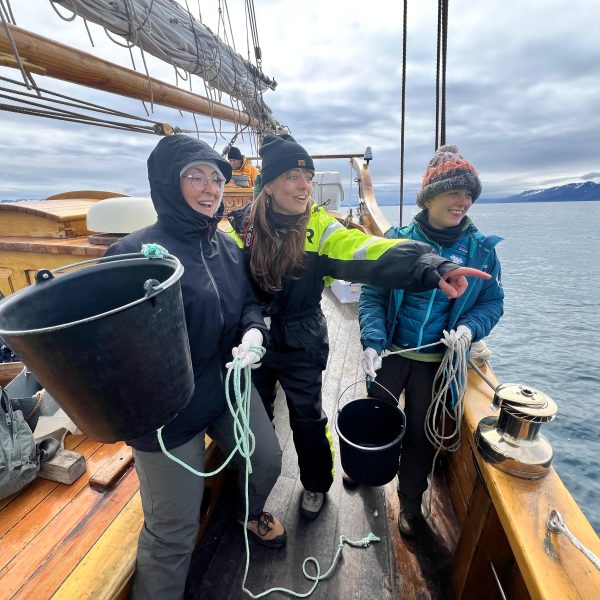
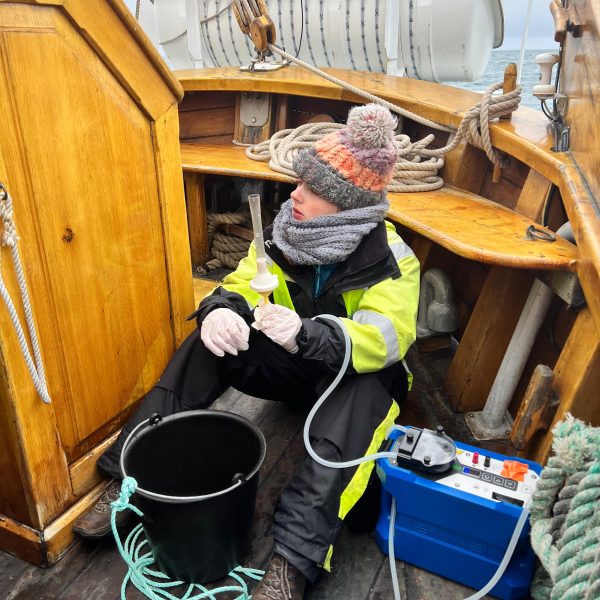
The data collection required at least two people. I was mainly the one collecting and filtering water with the assistance of Taime, a team member from the Ocean Missions NGO. Two interns from the University of Iceland Research Center and three North Sailing whale watching guides also took part in the field work when I was not available. I also ensured that the communication between the crew onboard and the people in charge of the sampling was clear and flowed easily and that the captains had enough information to help us take the water samples. In most cases, the reception and communication were very good, and the sampling operation was successful.

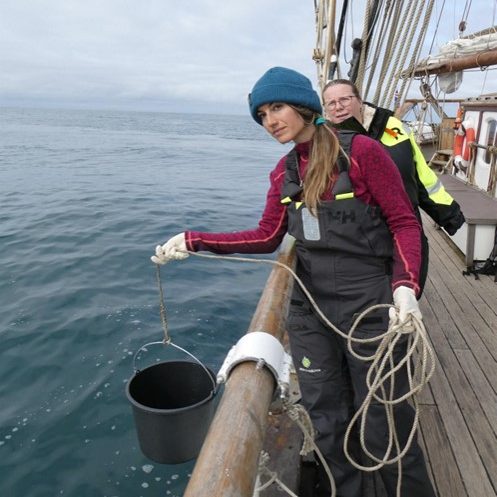
Belén collecting water samples with the Ocean Missions NGO


When did you go sampling?

Data collection started 5th of July and was performed up to two times a week depending on weather conditions until we reached a total of 18 samples and two controls (on the 23rd of October). All the samples were collected in Skjálfandi Bay (see map).

Sampling stations during field season in 2023 in Skjálfandi Bay (Húsavík, Iceland)

Which species were you targeting and why?

We were targeting mainly humpback whales as they are the main focus in the eWHALE project. They are the most sighted whale species in the bay and it is relatively easy to approach. The University of Iceland has been studying these whales through photo Identification for more than a decade. Therefore, it is relevant to assess the feasibility to incorporate the DNA approach to the ongoing efforts on humpback whale research in the region. Yet we were willing to try eDNA sampling in other species (eg, minke whales, blue whales) if the opportunity arose.

Humpback Whale


Were you working with citizen scientists? If so, were they interested in eWHALE?

Passengers were informed about the sampling during the tour; however, they didn’t participate directly in the sampling in order to avoid contamination of the samples. Generally, they were interested and asking questions!

An advantage of the Whale Sails and Science tour, which is organized in cooperation with the Ocean Missions non-profit organization, is the reduced number of passengers (maximum 20). The smaller passenger group facilitates the sampling, enhances the interaction within guests and increases the awareness, whilst it considerably reduces the risks of contamination of the samples. Generally, more people were interested in this kind of tour.

The high participation on the DNA surveys demonstrate that people were generally interested in the research and willing to participate. However, the weather was often cold and harsh, demotivating people to focus much on something.

Which other species did you see?

Frequently sighted species were minke whales, white beaked dolphins, bule whales (mainly in late May – beginning of June) and occasionally killer whales, Northern bottlenoses and fin whales. We realized that getting a sample directly  from the fluke print of these species can be quite challenging in this area.  Obviously, we saw plenty of seabird’s species, including hundreds of puffins that come to breed every summer in our beautiful  Puffin Island.

What was the best part of fieldwork?

Besides the many unforgettable encounters with the whales, I think the good atmosphere onboard and the coordination between the crew and the people in charge of the sampling was the best part for me to see. There was a constant feeling of teamwork and for every fluke print we got, everyone was excited and celebrated, including the passengers onboard! so I think it was definitely bringing added value to the tours, specially in the regular whale watching tours.

What was the most interesting thing that happened in the field?

Several very interesting things happened while we were collecting samples in our bay, such as the day we were able to sample a stream that came from Greenland with glacier water. But the one we remember with the most enthusiasm was a day with calm and flat seas, without wind and with a huge sun, when while we were filtering calmly in the stern and all the passengers were in the bow, we suddenly heard two energetic and powerful blows right next to us. Two northern bottlenose beaked whales had appeared! These animals are not at all common in Skjálfandi, but every year they spend a few days in August with us. Being able to enjoy them like this was quite a gift.

Fieldwork Fun in Iceland

Fieldwork in the Med Sea 2023

Written by Eleonora Barbaccia, PhD Candidate at the Politecnico di Milano

Which was the research focus?

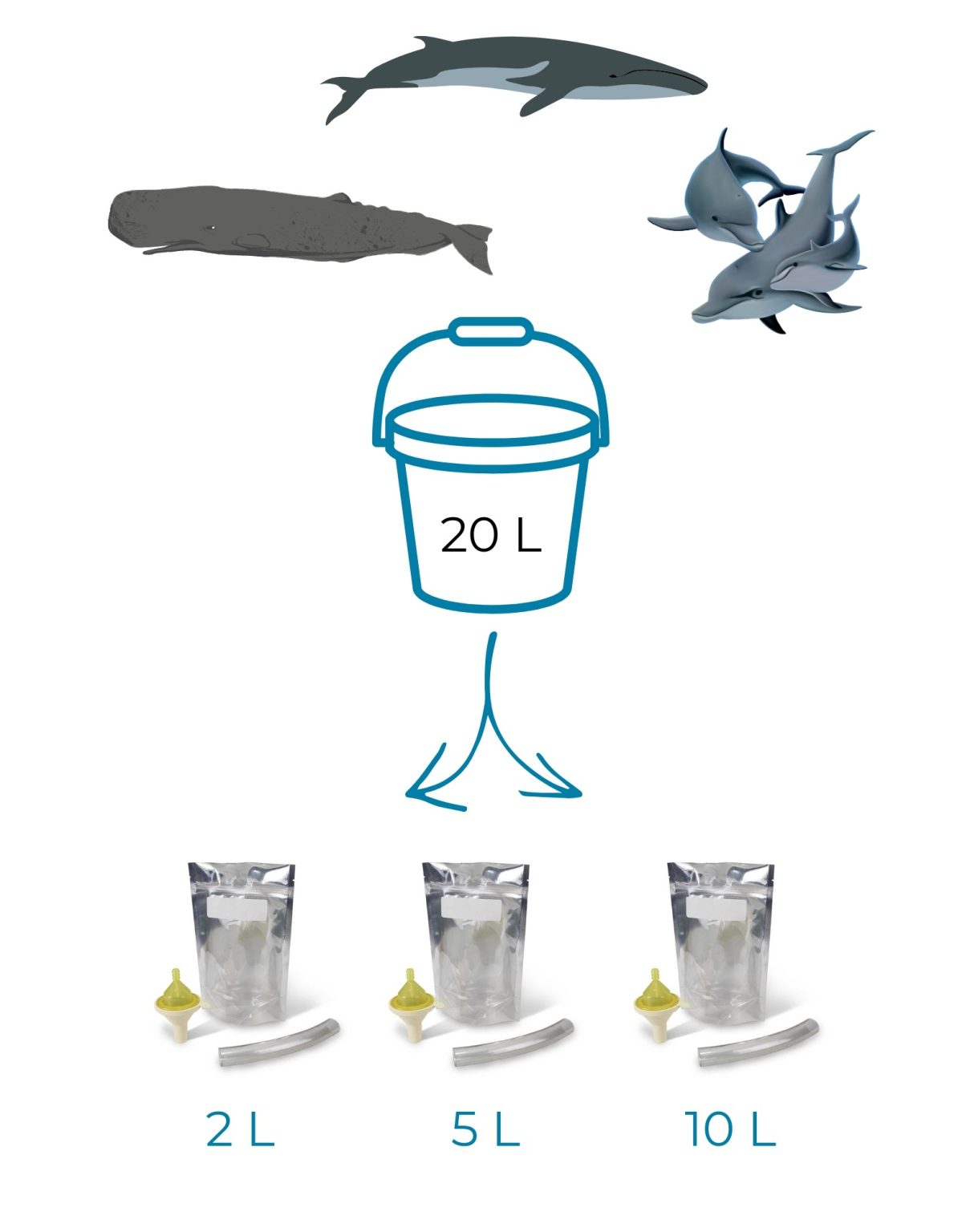
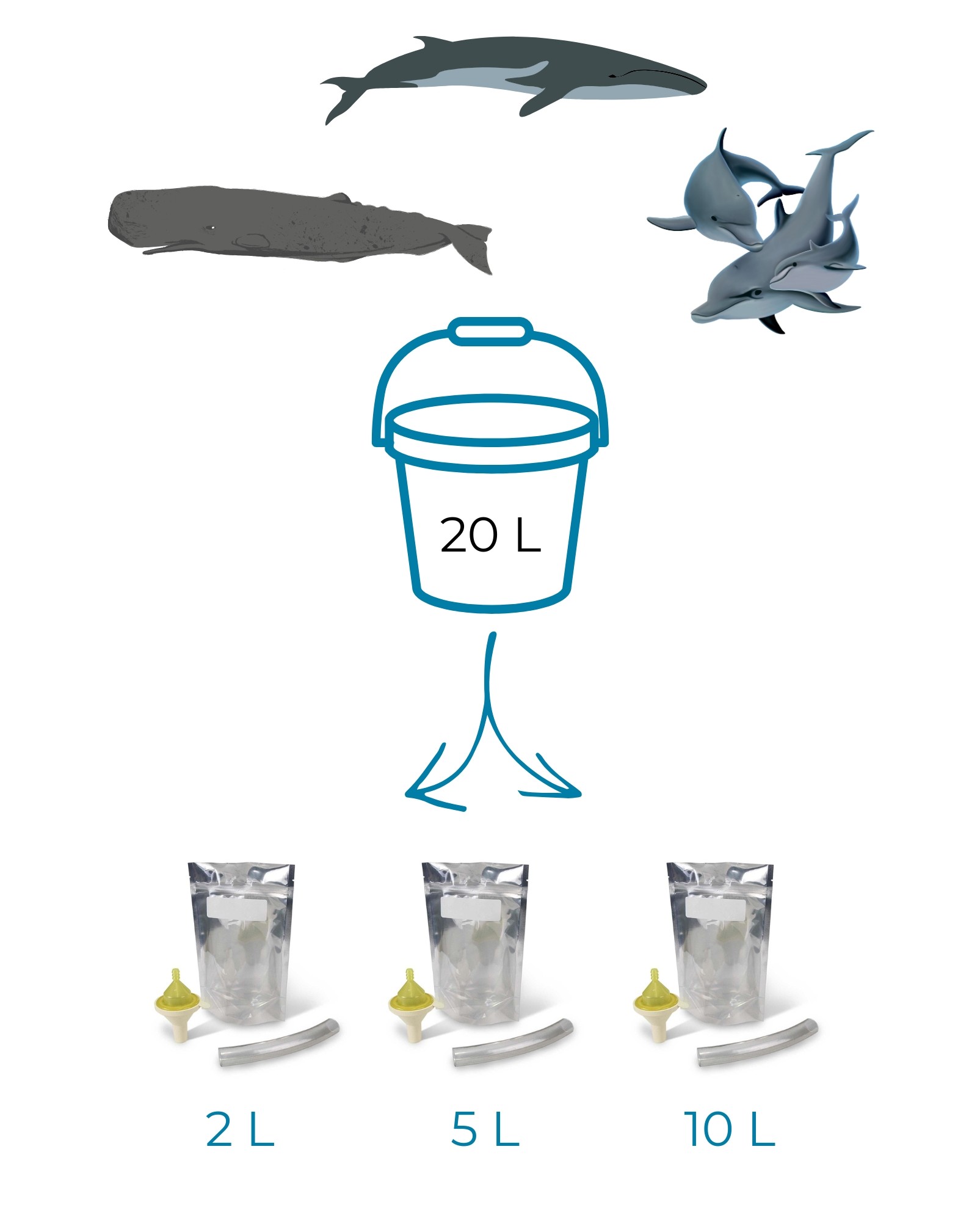
The objective of the Italian team during the 2023 field data collection period (19/07/2023 - 05/10/2023) was to collect varying water volumes (2, 5, 10 litres) for the purpose of investigating the minimum quantity of water required to locate eDNA traces inside.

Which eDNA filters were used?

The eDNA filters which were used during the first sampling campaign of eWHALE project in the Med Sea were: Sylphium (0.8 µm) and Smith-Root (1.2 µm).

How many litres of water did you have to collect?

For each encounter 20 L of water were collected, from which 2 litres, 5 litres and 10 litres were subsequently filtered with SR or SYL.

Italian sampling protocol 2023

Which other species are possible to encounter in the study area?

In addition to cetacean’s species, other megafauna are also likely to be found in the Pelagos, including sea turtles (Caretta caretta), sunfish (Mola mola), mobula (Mobula mobular), and seabirds.

Where did you go sampling?

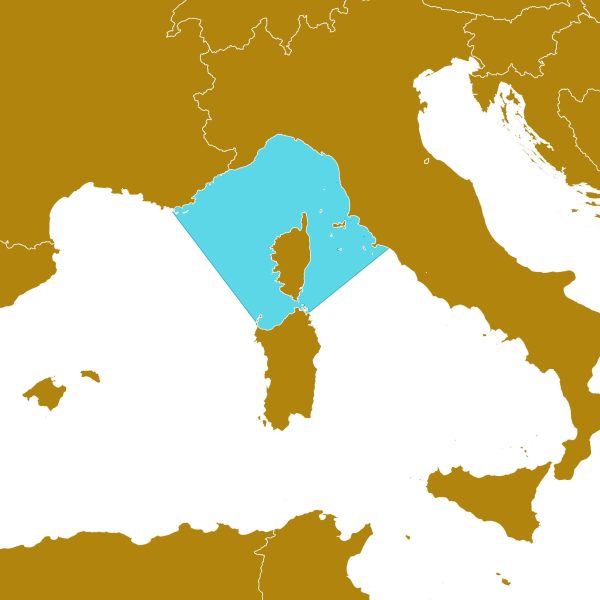
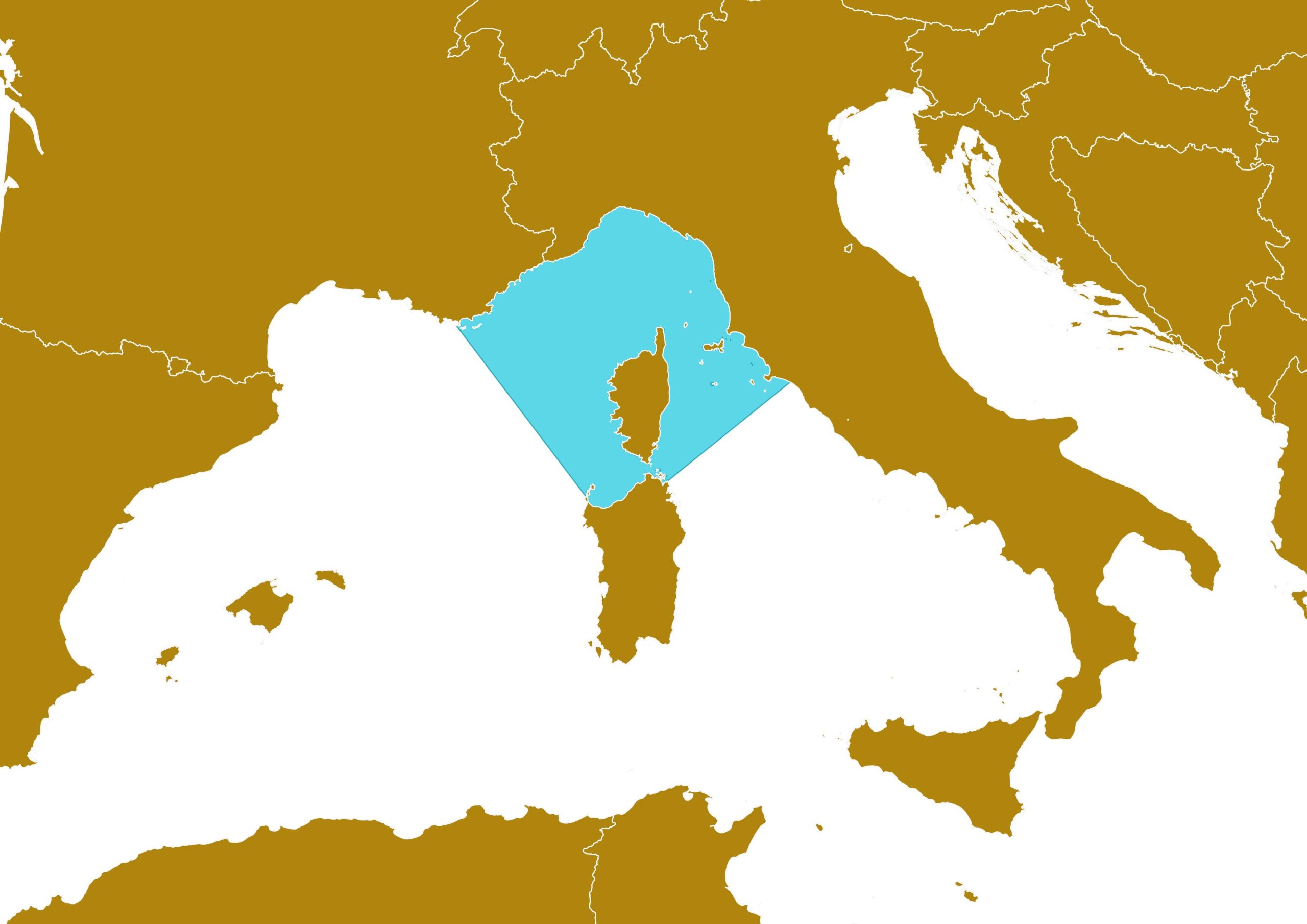
The sampling campaign was carried out in the Pelagos Marine Protected Area, a Special Marine Protected Area established on 25 November 1999 for the protection of marine mammals in the Mediterranean Sea, covering some 90,000 km2 in the north-west Mediterranean between Italy, France and the island of Sardinia, including Corsica and the Tuscan archipelago.

How were the weather/sea conditions?

During the summer in the Pelagos Sanctuary, the weather is usually ideal for research cruises and data collection. Only on a few occasions during the course of the season can rough seas and storms occur, and on these occasions, the daily sea trip must be cancelled.

Pelagos Sanctuary Map


Results

At the end of the first sampling campaign, we totalized 27 Sylphium + 3 of controls and 27 Smith-Root  + 3 of controls, resulting in 60 filters.

The target species of Italy in 2023 was the sperm whale, but we also managed to sample the most common ones, obtaining sampled from 22 encounters (individuals and/or groups of individuals) of 6 different cetacean species, including: 7 sperm whales, 6 fin whales, 2 striped dolphins, 2 bottlenose dolphins, 3 long-finned pilot whales and 2 Risso's dolphins.

Were you working with citizen scientists? If so, were they interested in eWHALE?

On board Pelagos (the Tethys Research Institute research vessel), most of the citizen scientists were very interested in learning about the ecology of Mediterranean marine mammals and the eWHALE project. As in the other two locations, most of the whale watching customers were unfamiliar with environmental DNA, but by the end of the week-long cruise, they had significantly increased their knowledge by being able to observe and learn about the whole process.

What was the best part of fieldwork?

Apart from meeting marine mammals, which is always an unforgettable experience, the best part of this job is being in contact with people who are passionate and willing to learn more about the ecology and conservation of these magnificent species.

What was the most interesting thing that happened in the field?

During one of the sightings, a very curious sperm whale approached the bow of the boat, stuck its head out of the water, and looked at us intently. It was a wonderful feeling and an unforgettable experience.

Citizen scientists learning about the eDNA sampling process on board Pelagos
Striped dolphin (Stenella coeruleoalba)
Sperm whale (Physeter macrocephalus)
Fin whale (Balaenoptera physalus)
en_CAEnglish